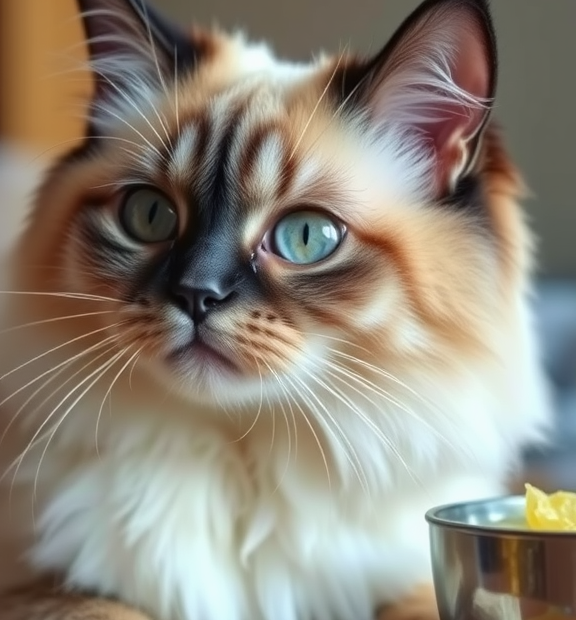
5 Common Eating Issues Ragdoll Cats Face and How to Solve Them
Understanding Why Ragdoll Cats May Struggle with Eating
Ragdoll cats are known for their gentle temperament and striking appearance, but like any breed, they can face certain challenges, especially when it comes to eating. If you’re a Ragdoll owner, you might notice that your cat refuses food at times, chews oddly, or develops picky eating habits. Addressing these issues quickly can help keep your feline friend healthy and happy.
1. Picky Eating Preferences
Many Ragdolls show strong preferences for certain food textures and flavors. This can make feeding time stressful if they reject new foods or supplements. Their sensitive palates often make them favor wet food to dry kibble, or specific flavors such as chicken over fish.
How to Tackle Picky Eating
- Gradual Food Transition: Introduce new foods slowly over several days, mixing a small amount with their favorite food to encourage acceptance.
- Multiple Texture Options: Offer both wet and dry foods to see which your Ragdoll prefers, and rotate flavors to reduce boredom.
- Consistency: Try to keep feeding times regular and avoid sudden changes, which can unsettle their eating habits.
2. Dental Discomfort
Dental issues are common in cats, and Ragdolls can experience tooth pain or gum disease, making it difficult for them to chew properly. This often leads to reluctant eating or dropping food while chewing.
Recognizing and Solving Dental Problems
- Look for Signs: Watch for pawing at the mouth, drooling, or bad breath.
- Vet Check-Ups: Regular dental checkups and cleanings are vital to prevent or treat oral health issues.
- Soft Foods: Provide soft or canned foods if your cat appears uncomfortable chewing dry kibble.
- Chew Toys: Offer dental-friendly chew toys to help maintain oral health naturally.
3. Overeating or Eating Too Quickly
Ragdolls can sometimes eat too quickly due to excitement or anxiety, which may cause vomiting or digestive upset. Overeating, on the other hand, can lead to obesity, a common concern with this laid-back breed.
Strategies to Manage Eating Speed and Amount
- Use a Slow Feeder Bowls: These specially designed bowls create obstacles that force your cat to eat more slowly.
- Smaller, Frequent Meals: Feeding smaller meals multiple times a day can help control their intake and reduce gulping.
- Interactive Feeders: Puzzle feeders engage your cat’s mind and slow down meal times.
4. Food Allergies and Sensitivities
Some Ragdoll cats may develop allergies or sensitivities to certain ingredients, causing digestive upset, vomiting, or skin problems. These issues affect their willingness to eat and overall health.
How You Can Identify and Address Allergies
- Observe Symptoms: Look out for excessive itching, hair loss, vomiting, or diarrhea after meals.
- Trial Diets: Work with your vet to try hypoallergenic or limited ingredient diets to pinpoint triggers.
- Eliminate Problem Foods: Avoid ingredients like beef, dairy, or grains if they cause symptoms.
5. Stress and Environmental Changes
Ragdolls thrive in calm, stable environments. Stress, changes in routine, new household members, or even new food bowls can cause anxiety that affects their appetite. Loss of appetite due to stress can be worrisome but is often reversible with patience and care.
Creating a Relaxed Feeding Environment
- Quiet Feeding Area: Choose a peaceful spot away from noise and commotion where your cat feels safe.
- Routine Maintenance: Maintain feeding schedules and avoid abrupt changes in diet or environment.
- Comfort Items: Keep familiar toys, blankets, or scents nearby during feeding to offer reassurance.
- Gradual Introductions: When introducing new pets or family members, give your Ragdoll extra attention and patience.
Additional Tips for Supporting Your Ragdoll’s Eating Habits
Understanding common eating issues in Ragdoll cats helps you offer the best care tailored to their unique needs. Beyond addressing specific problems, ensure fresh water is always accessible and monitor your cat’s weight regularly. Avoid feeding human food or treats that may irritate their digestive system. If eating problems persist, always consult your vet promptly.
By staying attentive to your Ragdoll’s eating cues and preferences, you’ll foster a happy and healthy relationship around mealtime, enhancing their overall quality of life. Remember, patience and observation are key to resolving most eating issues effectively.
Tips for Maintaining a Healthy Diet and Feeding Routine for Your Ragdoll Cat
Understanding the Nutritional Needs of Ragdoll Cats
Ragdoll cats are known for their gentle temperament and striking appearance, but they also have specific nutritional needs that support their health and well-being. Feeding your Ragdoll a diet rich in high-quality protein is essential. These cats are obligate carnivores, which means their bodies require nutrients found primarily in animal meat to maintain muscle, energy, and overall vitality. In addition to protein, make sure their diet contains balanced fats and essential vitamins like taurine, an amino acid critical for heart and eye health.
Choosing the right cat food formulated for adult Ragdolls or similar breeds can help prevent common health issues. Avoid foods with excessive fillers such as corn or soy, as these do not provide the nutrients your pet needs and can sometimes cause digestive upset.
Creating a Consistent Feeding Schedule
Consistency is key when establishing your Ragdoll’s feeding routine. Regular feeding times help regulate their digestion and maintain a healthy weight. Most adult cats do well with two meals a day — one in the morning and one in the evening. If your Ragdoll is a kitten, you may need to feed smaller amounts more frequently, usually three to four times daily.
Setting the feeding schedule not only ensures balanced nutrition but also helps prevent overeating or begging behaviors. Ragdolls are prone to gaining weight if overfed, so portion control is critical.
Tips for a Successful Feeding Routine
- Use measured portions: Follow the recommended serving size on your cat food packaging or consult your vet for customized advice based on your Ragdoll’s age, weight, and activity level.
- Avoid free feeding: Leaving food out all day can lead to overeating. Scheduled meals help prevent obesity and promote better digestion.
- Stick to vet-approved diets: If your Ragdoll has health issues, specialized diets may be necessary. Always follow your veterinarian’s recommendations.
Addressing Common Eating Challenges
Many Ragdoll cat owners notice a few eating issues that can disrupt their pet’s health if left unchecked. Here are some common problems and ways to solve them:
1. Picky Eating Habits
Ragdoll cats may develop selective taste preferences. To encourage healthy eating, try offering a variety of high-quality flavors and textures. Mixing wet and dry food adds interest to their meals. Introducing new foods gradually can help your cat adjust without stress.
2. Slow Eating or Food Disinterest
Sometimes your Ragdoll may lose interest in food due to boredom or health issues. Check their overall health if eating slows down, and try warming wet food slightly to enhance aroma and appeal.
3. Overeating and Weight Gain
Obesity is a risk that comes with overfeeding or free feeding. Monitor your cat’s weight and consult your vet for portion control. Engaging your Ragdoll in playtime encourages exercise and healthy metabolism.
4. Food Allergies or Sensitivities
If your Ragdoll experiences itching, vomiting, or diarrhea, food allergies might be the cause. Work with your vet to conduct an elimination diet test to identify triggers and find safe alternatives.
5. Difficulty Eating Due to Dental Issues
Ragdolls can suffer from dental problems affecting their eating habits. Regular dental check-ups and cleaning help keep their teeth healthy. Soft or wet food may ease discomfort if your cat has oral pain.
The Importance of Hydration
Proper hydration supports digestion and kidney function in your Ragdoll. Always provide fresh, clean water close to their feeding area. Some cats prefer drinking from fountains or running water, which encourages better hydration.
Including wet cat food in the diet also adds moisture, which benefits cats who drink less water naturally.
Enhancing Feeding Time with Positive Interaction
Mealtime can be more enjoyable for your Ragdoll if it is paired with positive reinforcement. Engage with your cat by petting or gently talking to them during feeding. This strengthens your bond and creates a calm eating environment.
Avoid loud noises or interruptions around feeding times to minimize stress that might disrupt their appetite.
Monitoring and Adjusting the Feeding Plan
Regularly assess your Ragdoll’s weight, coat condition, and energy levels to determine if their diet remains optimal. Adjust portions, food types, or feeding frequency based on changes in their life stage, activity, or health status. Your veterinarian is the best resource for personalized dietary advice.
Staying attentive to your Ragdoll’s eating habits and making thoughtful adjustments will promote a long, healthy life full of happiness and vitality.
Conclusion
Understanding the unique eating challenges that Ragdoll cats experience can make a big difference in their health and happiness. From picky eating habits and food sensitivities to dental problems and overeating, each issue requires a thoughtful approach tailored to your cat’s needs. By recognizing these common hurdles, you can take proactive steps to ensure your Ragdoll enjoys a comfortable and balanced diet.
Maintaining a consistent feeding routine is just as important as choosing the right food. Establish set meal times, provide fresh water, and monitor portion sizes to help your cat avoid digestive troubles and weight issues. A healthy feeding schedule, combined with a diet rich in high-quality nutrients, supports their overall well-being and long-term vitality.
When you face any eating difficulties with your Ragdoll, don’t hesitate to consult a veterinarian. Professional advice can help identify hidden problems early and guide you toward the best dietary adjustments for your feline friend. Remember, your attention and care play a vital role in helping your Ragdoll thrive, making mealtimes a positive and nourishing experience for both of you.