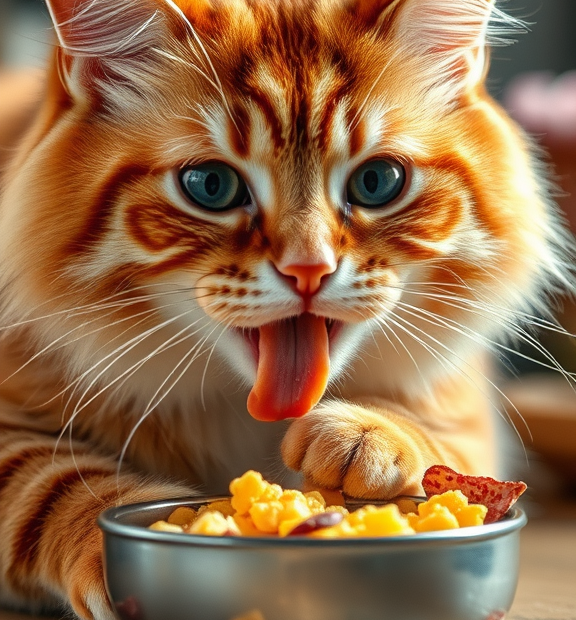
Effective Strategies to Encourage Your Floppy, Docile Cat to Eat Healthier
Understanding Your Cat’s Unique Eating Habits
Floppy, docile cats often have a calm demeanor that can mask underlying health issues or simply a picky nature when it comes to food. Getting your laid-back companion to eat healthier involves patience and careful observation. Knowing your cat’s preferences and behavioral quirks is the first step in fostering better nutrition habits. Cats, unlike dogs, have selective palates, and a gentle approach is crucial to helping them embrace healthier options without causing stress.
Offer Nutrient-Rich, Appealing Food Choices
One of the main strategies to encourage healthier eating is to choose foods that are both nutritious and enticing. Cats are obligate carnivores; they need diets high in protein and fat. Consider wet foods or high-quality dry foods that include real meat as the first ingredient. Foods enriched with omega fatty acids, vitamins, and minerals can improve your cat’s overall health, especially their coat and energy levels.
- Freshness: Cats prefer fresh-smelling food. Offering small, fresh servings can increase their interest.
- Texture Variety: Some floppy cats enjoy pate, while others prefer chunks or shreds—experiment to find what appeals most.
- Avoid Fillers: Avoid foods with excessive grains or artificial additives, which provide little nutritional value.
Create a Calm and Comfortable Feeding Environment
Since docile cats tend to be sensitive to their surroundings, creating a peaceful eating environment can make a big difference. Avoid loud noises and sudden movements around feeding time. Designate a quiet, cozy spot where your cat feels safe. Sometimes, placing the food bowl in a secluded corner or on an elevated platform can make your cat more comfortable and willing to eat.
Maintaining a regular feeding schedule also helps. Cats thrive on routine, and predictable meal times can cue appetite. Feed your cat at the same times daily to build a healthy eating pattern.
Introduce New Foods Gradually
Sudden diet changes can cause digestive upset or rejection of healthier options. To help your floppy, docile cat adapt to nutritious foods, introduce them slowly. Start by mixing a small amount of the new, healthier food with their current meals. Gradually increase the proportion of the new food over a week or two.
This approach reduces stress and gives your cat time to adjust to new tastes and textures. Patience is key—some cats take longer to accept change, especially if they are gentle and easily overwhelmed.
Use Play and Interaction to Boost Appetite
Physical activity can stimulate hunger, even in more docile cats. Engage your cat in gentle play sessions before mealtime to encourage natural hunting instincts and increase their desire to eat. Toys that mimic prey, like feather wands or small moving objects, work well for waking up their appetite.
Additionally, spending quiet bonding time with your cat can lower anxiety and help them feel more secure around feeding times. A relaxed cat is more likely to eat well and enjoy healthier foods.
Consult Your Veterinarian for Persistent Issues
If your cat continues to be floppy and docile and shows little interest in food despite your efforts, it’s important to consult a veterinarian. Sometimes, underlying health problems such as dental issues, digestive disorders, or metabolic imbalances can affect appetite and food choices.
Your vet can perform a thorough health check and recommend specialized diets tailored to your cat’s specific needs. Nutritional counseling from a professional can make a significant difference in your cat’s health and eating habits.
Additional Tips for Helping Your Cat Eat Healthier
- Warm the Food Slightly: Slightly warming wet food can enhance its aroma, making it more appealing.
- Limit Treats: Reduce high-calorie treats, which can fill your cat up and reduce interest in proper meals.
- Clean Bowls Regularly: Clean food and water dishes daily to avoid off-putting smells and bacteria.
- Offer Multiple Small Meals: Smaller, frequent meals can prevent your floppy cat from feeling overwhelmed and encourage consistent eating.
Helping your floppy, docile cat eat healthier requires a considerate and steady approach. By understanding their nature, providing appealing foods, and creating a soothing eating environment, you can improve your cat’s nutrition and well-being. Remember to be patient and attentive—your cat’s health and happiness depend on the love and care you provide through every meal.
Understanding the Nutritional Needs of Calm and Low-Energy Cats
Cats that exhibit a calm and low-energy demeanor have unique nutritional needs that differ from those of more active feline companions. Their metabolism tends to be slower, and their energy expenditure is less, which means that their diet should be carefully balanced to maintain optimal health without causing weight gain or nutritional deficiencies. Feeding a floppy, docile cat without understanding these needs can lead to issues such as obesity, nutrient imbalances, and reduced vitality.
Why Calm Cats Require a Different Approach
Low-energy cats often spend much of their time resting or sleeping rather than engaging in intense play or physical activity. Because of this, they burn fewer calories throughout the day, making it essential to adjust their food intake accordingly. A diet that is too high in calories can quickly lead to weight gain, which in turn places additional stress on joints and internal organs.
Additionally, calm cats may have different nutrient absorption rates or sensitivities, especially if they’ve been sedentary for long periods. Ensuring that their diet provides all necessary vitamins and minerals without excess calories is key to supporting their overall wellbeing.
Essential Nutrient Considerations for Calm, Low-Energy Cats
To tailor the feeding plan for your docile cat, focus on the following nutrients and dietary factors:
- High-quality Protein: Protein supports muscle maintenance, which is vital even for less active cats. Opt for easily digestible animal-based proteins to support lean muscle mass and overall health.
- Controlled Fat Levels: While fat is a necessary energy source, too much can contribute to weight gain. Selecting food with moderate fat content helps provide energy without excessive calories.
- Fiber Content: Adding dietary fiber promotes healthy digestion and helps your cat feel full longer, which can prevent overeating.
- Balanced Vitamins and Minerals: These support immune function, coat health, and organ functioning, critical for cats with low activity who may be more prone to developing deficiencies.
- Moisture: Cats that are less active might drink less water, so incorporating wet food or ensuring adequate hydration is essential to prevent urinary and kidney problems.
Choosing the Right Food Type
When selecting food for calm, floppy cats, it’s important to consider both the type and formulation. Look for special “light” or “weight management” formulas designed for cats with lower activity levels. These products usually provide all essential nutrients while limiting calories.
Wet food can be an excellent choice because its high moisture content aids hydration and often contains fewer calories per serving than dry food. However, dry kibble may be beneficial for dental health. Mixing both types in a carefully measured way can offer balanced nutrition and variety to keep your cat engaged at meal times.
Managing Portion Sizes and Feeding Schedules
Overfeeding is a common challenge with docile cats, especially when they aren’t very active. You can help your feline friend eat healthier by:
- Using a measuring cup or scale to serve precise portion sizes based on your cat’s ideal weight and energy requirements.
- Dividing meals into multiple small servings throughout the day to prevent hunger-driven overeating.
- Avoiding free-feeding (leaving food out all day), which promotes constant nibbling and weight gain.
Consulting your vet can help determine the ideal caloric intake for your cat’s specific age, weight, and lifestyle. Adjustments may be necessary over time as your cat’s activity levels or health status change.
Encouraging Healthy Eating Habits
Cat owners often find it challenging to coax a floppy or docile cat into healthier eating patterns. To support better nutrition:
- Choose highly palatable foods that appeal to your cat’s taste preferences without sacrificing quality.
- Warm wet food slightly to enhance aroma, which can stimulate appetite.
- Create a calm feeding environment free from noise or distractions, helping your cat focus on eating.
- Introduce new foods gradually to avoid digestive upset and increase acceptance.
Making mealtime a positive experience with gentle praise and attention can also encourage your cat to eat more readily and enjoy a variety of nutritious foods.
Monitoring Health and Weight Regularly
Regular monitoring is critical for maintaining healthy eating habits in calm, low-energy cats. Keep track of your cat’s weight at home and watch for changes in behavior or appetite, which can signal underlying health issues.
Annual veterinary exams should include a nutritional assessment to ensure your cat is receiving a balanced diet appropriate for their lifestyle. Your vet may recommend blood tests or specific supplements if any deficiencies or medical conditions arise.
By understanding the special dietary needs of calm, docile cats and adjusting their nutrition accordingly, you can support their wellbeing, help maintain a healthy weight, and foster a happy, contented feline companion.
Conclusion
Helping your floppy, docile cat eat healthier is all about patience and understanding. By using effective strategies tailored to encourage your cat’s appetite, you can gently guide them toward better eating habits without causing stress. Simple changes like adjusting feeding times, introducing tasty but nutritious treats, or creating a calm mealtime environment can make a big difference in improving your cat’s diet.
It’s equally important to understand the unique nutritional needs of calm and low-energy cats. These cats often require a diet that supports their slower metabolism and helps maintain a healthy weight. Selecting the right balance of proteins, fats, and essential vitamins ensures they get the energy and nutrients needed to stay content and active in their own relaxed way.
By combining these insights with your love and care, you can foster healthier eating habits that improve your cat’s overall well-being. Watching your gentle friend enjoy nutritious meals will give you peace of mind, knowing you are supporting their health in a way that fits their temperament perfectly. Making these thoughtful changes creates a happier, healthier life for your floppy, docile cat—one meal at a time.