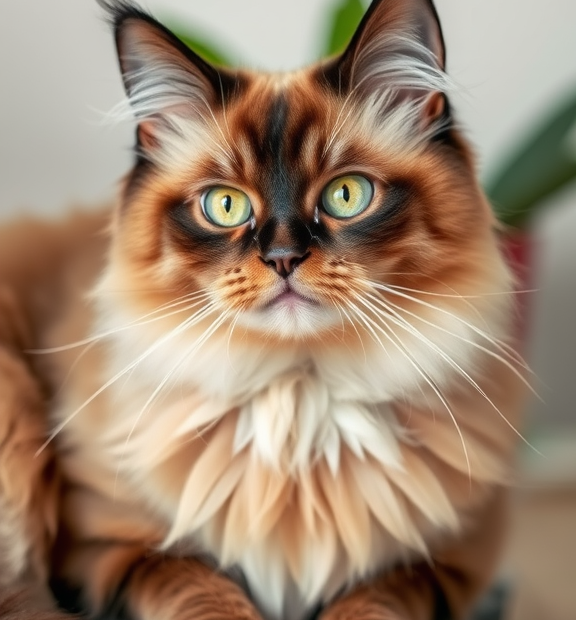
Ragdoll Cat Nutrition: Key Dietary Components for Optimal Health
What Makes a Ragdoll Cat’s Diet Unique?
Ragdoll cats are known for their gentle temperament and striking appearance, but behind their charming personality lies specific nutritional needs that help keep them healthy and lively. Understanding these needs is essential if you want your Ragdoll to thrive over the years. Unlike some other cat breeds, Ragdolls tend to have a more laid-back lifestyle, which means their calorie intake and nutrient balance must be carefully managed to avoid obesity and related health problems.
Essential Nutrients Every Ragdoll Needs
Every cat requires a balanced diet that includes the right mix of proteins, fats, vitamins, and minerals, but for Ragdolls, these components take on special importance because of their unique physiology and activity levels.
High-Quality Protein
Protein is the cornerstone of your Ragdoll’s nutrition. Cats are obligate carnivores, which means they need protein from animal sources. For Ragdolls, proteins support muscle development and help maintain their plush coat. Look for foods with named animal proteins such as chicken, turkey, or fish listed as the first ingredient. Proteins also provide essential amino acids like taurine, which is critical for heart health and vision.
Balanced Fats
Fats supply energy and support a healthy skin and coat. Omega-3 and omega-6 fatty acids are particularly important. They reduce inflammation and promote shiny fur—a defining feature of the Ragdoll breed. Including fish oil or flaxseed oil in their diet can be beneficial, but always consult your vet before adding supplements.
Controlled Carbohydrates
While cats don’t require carbs as a primary energy source, some commercial cat foods include them as fillers. Because Ragdolls may be less active, too many carbs can lead to unwanted weight gain. Ideally, choose foods with low carbohydrate content, focusing on digestible fibers that aid in digestion.
Vitamins and Minerals for Strong Immunity and Bone Health
Micronutrients are vital in small doses. Vitamins like A, D, and E support eye health, bone growth, and immune function. Minerals such as calcium and phosphorus maintain strong bones and teeth. Ragdolls can be prone to certain bone and heart conditions, which proper nutrition can help mitigate by ensuring these nutrients are balanced in their food.
Hydration and Its Impact on Ragdolls
Proper hydration is just as critical as solid nutrition. Ragdolls can be prone to urinary tract issues, so encouraging water intake is essential. wet cat food into their diet can increase moisture levels, helping support kidney function and urinary health. Always ensure fresh water is readily available.
Feeding Guidelines for Optimal Health
To maintain their ideal weight, feed your Ragdoll according to age, activity level, and health status. Younger cats and those who are active need more calories and protein, while older or less active cats require fewer calories to prevent weight gain. Portion control and regular feeding schedules keep their metabolism balanced.
Recommended Daily Nutrient Ratios
- Protein: At least 30% on a dry matter basis
- Fat: Between 15%-20% for energy and coat health
- Carbohydrates: Minimal, ideally under 10%-15%
- Taurine: Essential amino acid, usually supplemented in commercial diets
- Fiber: Moderate amounts to promote digestive health
Homemade vs. Commercial Diets
Many cat owners consider preparing homemade meals. While homemade diets can be nutritious, formulating a balanced meal for a Ragdoll requires careful attention to the right nutrient ratios and supplements to avoid deficiencies. Commercial cat foods designed for Ragdolls or indoor cats often have optimized formulas that meet their unique needs.
Always consult a veterinarian or feline nutrition expert before switching diets or introducing supplements. Feeding the wrong proportions can lead to health issues, from obesity to nutrient deficiencies.
Signs Your Ragdoll’s Nutrition May Need Adjustment
Be observant of changes in your cat’s weight, coat condition, energy levels, and overall behavior. A dull coat, lethargy, or unexplained weight gain or loss may signal nutritional imbalances. Regular vet check-ups can help catch problems early.
Supporting Longevity Through Smart Nutrition
Good nutrition supports not only your Ragdoll’s physical health but also their longevity. Emphasizing high-quality protein, essential fats, vitamins, minerals, and hydration will help keep your Ragdoll cat healthy and active for years to come.
By understanding your Ragdoll’s specific dietary needs and committing to a balanced feeding plan, you give your feline companion the best chance to live a happy, vibrant life.
Common Nutritional Challenges for Ragdolls and How to Overcome Them
Understanding the Unique Dietary Needs of the Ragdoll Cat
Ragdoll cats are known for their striking blue eyes, soft coats, and calm personalities. While they are less demanding in terms of activity compared to other breeds, their nutrition needs are quite specific. This breed requires a balanced diet that supports their large, muscular bodies and prevents common health issues. If you own a Ragdoll or are considering adopting one, recognizing the nutritional challenges they face is the first step toward keeping them healthy and happy.
Challenges with Weight Management
One of the most common nutritional struggles for Ragdolls is managing their weight. Due to their laid-back nature, they tend to be less active, which means excess calories can easily lead to obesity. Overweight Ragdolls are at risk of developing diabetes, joint issues, and heart problems.
To overcome this, you need to:
- Control Portion Sizes: Use a measuring cup to avoid overfeeding and maintain consistent feeding times.
- Choose High-Quality Protein: Opt for foods rich in animal proteins that help maintain lean muscle mass without extra fat.
- Limit Treats: Treats should never exceed 10% of their daily calorie intake to prevent unnecessary weight gain.
- Regular Exercise: Encourage play sessions to boost their metabolism and burn calories.
Ensuring Proper Hydration
Ragdolls, like many cats, have a low thirst drive and can be prone to dehydration. This can complicate urinary tract health, increasing the risk for crystal formation and infections. Wet cat food can be a helpful addition to their diet, providing moisture alongside essential nutrients.
Addressing Food Sensitivities and Allergies
Some Ragdolls develop food sensitivities or allergies, causing digestive upset or skin conditions. These reactions often come from ingredients such as grains, poultry, or dairy products.
Look out for symptoms like:
- Vomiting or diarrhea
- Itchy skin or excessive grooming
- Ear infections or hair loss
Switching to hypoallergenic or limited ingredient diets can help pinpoint and eliminate offending foods. Working closely with your vet on this can provide tailored recommendations based on your cat’s reactions.
Supporting Joint Health Through Nutrition
Given their large size, Ragdolls can place extra strain on their joints. Hip dysplasia and arthritis are concerns as they grow older, making joint support a nutritional priority.
Incorporate foods or supplements with:
- Glucosamine and Chondroitin: These support cartilage repair and joint function.
- Omega-3 Fatty Acids: Found in fish oils, they reduce inflammation and promote healthy joints.
Always check with a veterinarian before adding supplements to ensure the dosages are safe and effective for your pet.
Balancing Nutrients for Optimal Coat and Skin Condition
Ragdolls are famous for their beautiful, silky coats. Nutrition plays a key role in maintaining this luxurious fur as well as healthy skin. Deficiencies in certain nutrients can cause dullness, dryness, or excessive shedding.
Focus on diets that provide:
- High-Quality Proteins: Sulfur-containing amino acids such as cysteine and methionine promote hair growth.
- Essential Fatty Acids: Omega-3 and omega-6 fatty acids maintain moisture and reduce flakiness.
- Vitamins and Minerals: Vitamins E, A, zinc, and biotin contribute to overall skin and coat health.
Choosing the Best Type of Food for Your Ragdoll
With a vast array of commercial cat foods available, selecting the right one can be overwhelming. Both wet and dry foods have advantages, but many experts recommend a combination to support hydration and dental health.
When shopping for cat food, consider these tips:
- Check for Real Meat as the First Ingredient: This ensures a protein-rich diet catering to carnivorous needs.
- Avoid Fillers: Ingredients like corn, soy, and wheat offer limited nutritional value and can be allergens.
- Look for Formulas Made for Indoor Cats: These often have adjusted calorie levels and added fiber for digestion.
- Consider Grain-Free Options: If your cat shows signs of sensitivities or allergies.
Monitoring and Adjusting the Diet as Your Ragdoll Ages
Nutrition requirements change throughout a cat’s life stages. Kittens need more calories and protein for growth, while senior Ragdolls benefit from diets that support joint health and reduce calorie intake to prevent weight gain.
Be vigilant and reassess your cat’s diet regularly. Weight fluctuations, coat changes, or digestive issues are indicators that a dietary tweak may be necessary.
Working Hand-in-Hand With Your Veterinarian
Because Ragdolls can face several nutritional challenges, regular veterinary checkups are essential. Your vet can help design a feeding plan tailored to your cat’s specific health status, lifestyle, and age. Blood tests and physical exams will reveal if adjustments need to be made to maintain optimal well-being.
Understanding the common nutritional hurdles Ragdolls face allows you to proactively manage their diet. By providing balanced nutrition rich in protein, supportive joint nutrients, and hydration, while avoiding obesity and allergies, your Ragdoll will thrive with a shiny coat and robust health for years to come.
Conclusion
Providing the right nutrition is essential to keep your Ragdoll cat healthy and happy. Understanding the key dietary components—such as a balanced mix of proteins, fats, vitamins, and minerals—ensures your feline friend gets the nutrients needed for strong muscles, a shiny coat, and overall well-being. Remember, Ragdolls have unique needs that require careful attention. By choosing high-quality food that matches their specific stage of life, and avoiding fillers and harmful additives, you support their natural vitality.
Nutritional challenges are common but manageable. Issues like obesity, hairballs, or food sensitivities can slow down your cat’s energy and comfort. Recognizing these problems early and adjusting your cat’s diet—whether by including more moisture-rich foods or switching to hypoallergenic formulas—can make all the difference. Regular vet check-ups complement good nutrition by helping you tailor your Ragdoll’s eating plan precisely to their needs.
As a pet owner, staying informed about Ragdoll cat nutrition empowers you to make smart choices today that will pay off in years of health and joyful companionship. Your careful approach to feeding creates a foundation where your Ragdoll can thrive, showing off their affectionate personality and gentle nature with a body that feels just as good on the inside as they look on the outside. Feeding your Ragdoll well is not just about food—it’s about caring for a beloved family member in the best way possible.