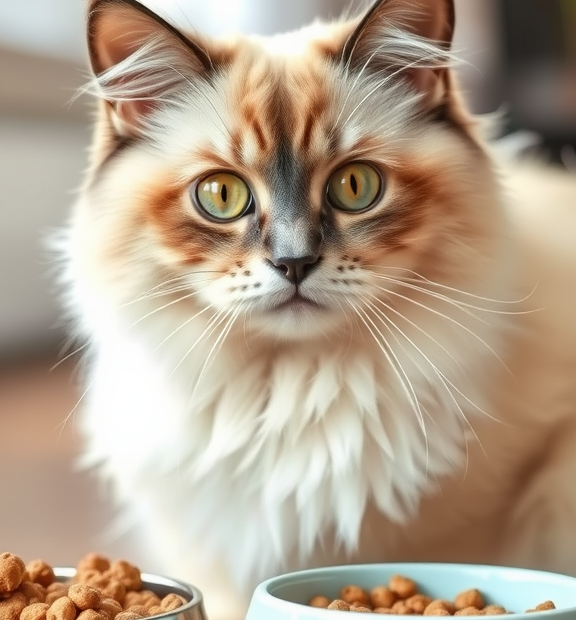
How to Choose the Right Food for Your Ragdoll Cat’s Specific Needs
Feeding your Ragdoll cat the right food is essential to support its health, energy, and unique characteristics. Unlike other cat breeds, Ragdolls require a special balance of nutrients to maintain their muscular build, silky coat, and gentle temperament. Choosing the best food for your Ragdoll means paying close attention to their specific nutritional needs, lifestyle, and any health concerns.
Understanding the Nutritional Needs of Ragdoll Cats
Ragdolls are known for their striking blue eyes, semi-long fur, and friendly personality. These cats thrive on diets rich in protein and moisture, reflecting their natural carnivorous instincts. A diet high in animal-based protein supports muscle development and overall vitality, which is crucial since Ragdolls tend to be larger and more muscular compared to other breeds.
Additionally, healthy fats play an important role in maintaining their soft, shiny coats and healthy skin. Omega-3 and Omega-6 fatty acids are especially beneficial in supporting skin barrier function and reducing inflammation, which can sometimes affect Ragdolls.
Key Factors to Consider When Selecting Food
1. Age-Appropriate Diet
Like all cats, your Ragdoll’s nutritional requirements vary with age. Kittens need food that supports growth with higher protein and fat content along with essential vitamins and minerals. Adult Ragdolls benefit from balanced diets that maintain weight and energy levels, while senior cats might require food that helps support joint health and reduces calorie intake to prevent obesity.
2. Wet Food vs. Dry Food
Both wet and dry foods have their advantages, but for Ragdolls, wet food can be especially beneficial due to its higher moisture content. This helps maintain kidney health and prevents urinary tract issues, which are more common in cats. Wet food also tends to be more protein-rich and palatable, encouraging picky eaters. However, high-quality dry food is convenient and helps with dental health by reducing plaque buildup. Many owners opt for a mix of both, catering to hydration and dental care simultaneously.
3. Ingredient Quality
Always check the ingredient list carefully. The first ingredient should ideally be a named animal protein such as chicken, turkey, or fish. Avoid foods with excessive fillers like corn, wheat, or soy, which offer little nutritional value and can sometimes cause sensitivities or allergies. Whole-food ingredients, natural preservatives, and added vitamins like taurine (essential for heart and eye health) contribute to a superior diet.
Meeting Special Health Needs
Some Ragdolls may have unique health concerns that influence food choice. For example, feline lower urinary tract disease (FLUTD) is a risk in many cats, requiring food that promotes a healthy urinary pH. If your cat has food sensitivities or allergies, hypoallergenic or limited ingredient diets may provide relief. Always consult with your veterinarian before introducing specialized foods.
Tips to Select the Best Food
- Consult your veterinarian: A professional opinion ensures you address your Ragdoll’s specific health needs.
- Test for preferences: Cats can be finicky. Offer different flavors and textures to see what your Ragdoll prefers.
- Read customer reviews: Other Ragdoll owners’ experiences can guide you to trusted brands and formulations.
- Watch for signs of well-being: A healthy coat, steady weight, good energy, and firm stools indicate your food choice is working.
- Gradually transition: To avoid digestive upset, slowly introduce new foods over a 7–10 day period by mixing them with the current diet.
Considering Life Stage and Lifestyle
If your Ragdoll is more active, engaging in regular play and exercise, it may require food with balanced protein and calories to sustain energy. Conversely, a predominantly indoor or less active cat might need a calorie-controlled diet to prevent weight gain. Choose formulas labeled for indoor cats if available, as they typically have fewer calories and added fiber, promoting digestive health.
Homemade and Raw Food Options for Ragdolls
For owners interested in homemade or raw diets, it is critical to ensure these diets are complete and balanced. Raw feeding can mimic the natural prey diet but requires proper knowledge to avoid nutritional deficiencies or bacterial contamination. Consulting a veterinary nutritionist is highly advised to tailor such diets for your Ragdoll’s needs while keeping safety a priority.
Final Thoughts
Nourishing your Ragdoll with the right food involves paying attention to protein quality, moisture content, age, activity level, and any health issues. The ideal diet supports their active and affectionate nature while keeping them healthy. By focusing on high-quality ingredients and adjusting to your cat’s specific lifestyle, you provide the foundation for a long, happy life with your gentle giant.
Understanding the Nutritional Requirements Unique to Ragdoll Cats
Ragdoll cats are beloved for their gentle nature and striking appearance, but they also have specific nutritional needs that differ from many other breeds. To keep your Ragdoll healthy and thriving, understanding these unique requirements is essential. Their dietary intake plays a crucial role in supporting their large frame, long coat, and overall wellbeing.
Key Nutritional Elements for Ragdoll Cats
These cats generally have a larger and more muscular build compared to typical domestic cats. This means their nutritional formula requires careful consideration, especially in terms of protein, fat, and essential nutrients.
High-Quality Protein
Proteins are the building blocks for muscle growth and repair. For Ragdolls, a diet rich in high-quality animal protein sources such as chicken, turkey, or fish is vital. Protein helps maintain their muscle mass, supports energy levels, and prevents obesity by promoting lean body condition.
Fat Content and Essential Fatty Acids
Fats are a concentrated energy source and help keep the skin and coat healthy. Ragdolls have a dense, silky coat that benefits from omega-3 and omega-6 fatty acids. These essential fats reduce inflammation, improve skin health, and add shine to their fur.
Balanced Carbohydrates
While cats are obligate carnivores and require minimal carbs, small amounts of digestible carbohydrates can provide energy and support digestive health. It’s crucial to avoid excessive fillers like corn or wheat, which provide little nutritional value and can cause digestive issues.
Special Nutritional Aspects to Consider
Maintaining Optimal Weight
Ragdolls can be prone to weight gain due to their laid-back personality and lower activity levels. Overweight cats face higher risks of health problems such as diabetes and joint issues. Look for cat foods with moderate fat content and controlled calorie levels to keep your Ragdoll within a healthy weight range.
Joint Support Ingredients
Due to their larger size, Ragdolls benefit from nutrients that support joint health. Ingredients such as glucosamine and chondroitin sulfate can help maintain cartilage and reduce the risk of arthritis. These are often included in premium cat foods formulated for larger breeds or senior cats.
Hydration Needs
Like all cats, Ragdolls require adequate hydration to maintain kidney and urinary health. Wet food options can be an excellent way to boost fluid intake, especially if your cat isn’t a frequent water drinker. Pairing dry food with wet food can provide balanced nutrition and better hydration.
Age and Life Stage Nutrition
Ragdoll cats, like any other breed, have changing nutritional needs throughout their life. Tailoring their diet based on age is critical for long-term health.
Kittens
Kittens need calorie-dense food packed with proteins and fats to support rapid growth and development. A kitten-specific formulation ensures they receive the right balance of vitamins and minerals for bone and immune system health.
Adult Cats
Adult Ragdolls need a maintenance formula that prevents weight gain while providing sufficient nutrients to keep their muscles strong and coat glossy. Controlled portions and balanced calories are important during this stage.
Senior Cats
Older Ragdolls may have decreased metabolism and joint issues. Diets enriched with antioxidants, lower calories, and joint-supporting supplements help manage aging symptoms and enhance quality of life.
Identifying Food Allergies and Sensitivities
Some Ragdolls might develop food allergies that can cause skin irritation or digestive upset. If you observe symptoms such as itching, hair loss, vomiting, or diarrhea, consult your veterinarian. They may recommend a hypoallergenic diet or an elimination trial to pinpoint the offending ingredient.
Tips for Selecting the Best Food for Your Ragdoll
- Check the ingredient list: Look for named animal proteins first, and avoid foods with excessive fillers or artificial additives.
- Consider breed-specific formulas: Some brands offer diets specially tailored for the large size and coat needs of Ragdolls.
- Opt for natural preservatives: Vitamin E (mixed tocopherols) is preferable over synthetic chemicals.
- Incorporate wet food: This improves hydration and adds variety to their palate.
- Consult your vet: Always get professional guidance on nutrition, especially with special health conditions.
Understanding the nutritional requirements unique to your Ragdoll cat helps you make thoughtful food choices that promote their health and happiness. Their diet should nurture their muscular body, maintain a beautiful coat, and prevent weight-related problems. By prioritizing high-quality ingredients and adjusting nutrition as they grow, you provide your Ragdoll with the best foundation for a long, vibrant life.
Conclusion
Choosing the right food for your Ragdoll cat is essential to keep them healthy and happy throughout their life. By understanding the unique nutritional needs of this gentle and large breed, you can make informed choices that support their growth, maintain their beautiful coat, and prevent common health issues. Remember, Ragdolls require a diet rich in high-quality protein to sustain their muscular build and energy levels, along with balanced fats and essential vitamins to promote overall well-being.
As you select your cat’s food, look for formulas specifically designed for their size and activity level. Pay attention to ingredients that support joint health and hairball control, as these can be important for Ragdoll cats. Additionally, consider their age and lifestyle—kittens, adults, and senior Ragdolls have different dietary needs, so tailoring their meals accordingly helps meet their evolving requirements.
Feeding your Ragdoll the right diet is more than just picking any cat food off the shelf; it’s about choosing nutrition that matches their specific needs. Regularly consulting with your veterinarian can provide guidance and help you adjust their diet as needed to keep your Ragdoll thriving. When you focus on nutritional quality and your cat’s individual health, you’re investing in many happy years together. Providing the right food is one of the best ways to show love and care for your precious Ragdoll companion.