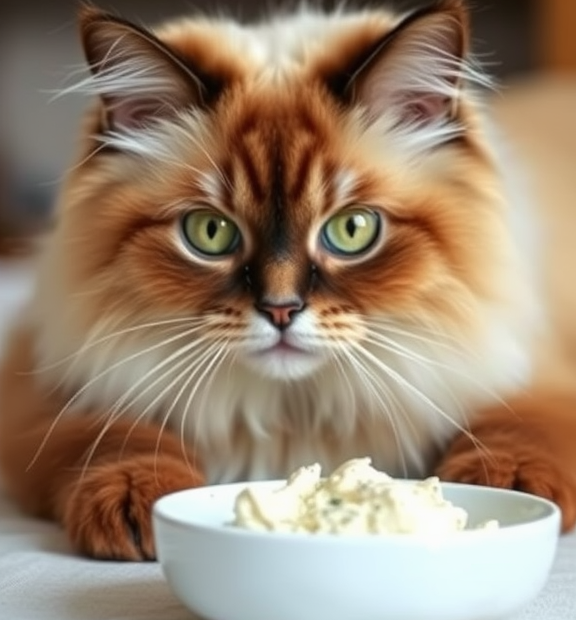
Maintaining a Healthy Diet for Your Ragdoll Cat: Essential Nutritional Needs and Food Choices
When caring for a Ragdoll cat, maintaining a healthy diet is a crucial part of ensuring your feline friend thrives. These gentle giants are known for their affectionate nature and beautiful, silky coats, but their unique needs require attention to the quality and type of food you provide. Understanding the essential nutritional requirements and making the right food choices will help you promote their overall health and longevity.
Understanding the Nutritional Needs of Ragdoll Cats
Ragdoll cats have specific dietary needs, largely because they are a medium to large breed with a calm yet playful temperament. Their diet should focus on high protein content since cats are obligate carnivores, meaning their bodies are designed to digest and utilize nutrients primarily from animal sources. Protein supports muscle mass, fur quality, and overall energy levels.
Along with protein, these cats need a balanced amount of fats for energy and to maintain a healthy coat. Essential fatty acids, such as omega-3 and omega-6, contribute to a shiny, soft coat and help reduce inflammation. Carbohydrates should be limited, as cats do not have a significant dietary need for them and excessive carbs can lead to weight gain or digestive issues.
Key Nutrients to Include
- Taurine: This amino acid is vital for heart health, vision, and reproduction. Taurine deficiency can lead to serious health problems, so ensure the diet includes it through high-quality meat ingredients.
- Vitamins and Minerals: Vitamins like A, D, and E and minerals such as calcium and phosphorus maintain your cat’s immune system, bone health, and overall bodily functions.
- Water: Hydration plays a significant role. Many Ragdolls prefer wet food which naturally contains moisture, helping prevent urinary tract issues common in cats.
Choosing the Right Food for Your Ragdoll
Commercial cat foods fall into several categories, and selecting the best option depends on your cat’s lifestyle and health. Dry kibble has convenience and can aid dental health through crunching, but it often contains higher carbs and less moisture. Wet food, on the other hand, provides hydration and typically features higher meat content, making it a great option for Ragdolls.
Look for brands that have:
- Named meat as the first ingredient (like chicken, turkey, or fish).
- No fillers such as corn, soy, or wheat.
- Added essential fatty acids and taurine.
- Formulations specifically designed for adult cats if your Ragdoll is mature, or for kittens if still young.
How Much and How Often Should Your Ragdoll Eat?
Ragdoll cats are prone to becoming overweight if overfed due to their generally laid-back lifestyle. It’s best to provide measured portions according to your cat’s age, weight, and activity level. Typically, feeding 2-3 small meals throughout the day helps keep metabolism steady and prevents hunger-induced behavior like begging or overeating.
Always consult your veterinarian to create a feeding schedule and portion size tailored to your Ragdoll. Monitoring your cat’s weight monthly is a good way to catch any nutritional problems early.
Foods to Avoid for Ragdoll Cats
Some common human foods and even certain cat food ingredients may harm your Ragdoll or disrupt its balanced diet:
- Onions and Garlic: These can cause anemia in cats.
- Chocolate and Caffeine: Both are toxic and should never be accessible to pets.
- Raw Eggs and Raw Fish: Risk of salmonella or destructive enzymes that break down B-vitamins.
- Dairy Products: Many cats are lactose intolerant, so avoid milk or cheese.
Supplementing Your Ragdoll’s Diet
While a well-balanced commercial cat food often covers all nutritional bases, some Ragdolls may benefit from supplements under veterinary advice. Omega-3 supplements can enhance coat condition, and probiotic supplements may help with digestion and gut health. However, avoid over-supplementing, as this could lead to nutritional imbalances.
Homemade Diets: What You Should Know
Some owners prefer preparing homemade meals for their Ragdolls, seeking control over ingredients. If you choose this path, it’s critical to ensure the recipe meets all essential nutrition requirements, especially taurine, which is often low in homemade meals unless properly supplemented. Consulting a veterinary nutritionist is highly recommended before switching to homemade food to safeguard your cat’s health.
Pay Attention to Behavior and Health Signs
Your Ragdoll’s eating habits and physical condition provide clues about whether its diet meets its needs. If you notice excessive shedding, lethargy, weight changes, or digestive upset, re-evaluate the food you are providing. Regular vet check-ups, combined with attentive feeding practices, will help keep your Ragdoll vibrant and healthy.
Maintaining a healthy diet for your Ragdoll cat means focusing on high-quality protein sources, adequate hydration, balanced fats, and essential nutrients like taurine. Selecting the appropriate commercial food or carefully managed homemade meals tailored to their unique needs can support a long, happy life for your beloved companion.
Recognizing and Preventing Common Dietary Problems in Ragdoll Cats
Identifying Key Dietary Issues in Ragdoll Cats
Ragdoll cats are known for their gentle personalities and luxurious coats, but like all pets, their well-being largely depends on a balanced and healthy diet. Understanding the common dietary problems faced by Ragdolls is essential for any owner who wants to maintain their cat’s health and vitality. These issues often manifest through symptoms such as lethargy, poor coat condition, digestive disturbances, or changes in appetite and behavior.
One primary dietary concern among Ragdoll cats is obesity. These cats have a less active lifestyle compared to more energetic breeds, making them prone to weight gain. Overfeeding and providing high-calorie treats without considering portion control can lead to excess weight. Obesity not only affects their appearance but also increases the risk of diabetes, joint problems, and heart disease.
Another frequent problem is food intolerance or allergies. Ragdolls can be sensitive to certain food ingredients, including grains, dairy, or specific proteins. This sensitivity often results in skin irritations, itching, vomiting, or diarrhea. Recognizing these symptoms early helps in modifying their diet to prevent further complications.
Urinary tract issues are also common in Ragdolls, often influenced by improper hydration and diet. Poor-quality foods high in carbohydrates or low moisture content can lead to urinary crystals or infections. Feeding the right type of food and ensuring adequate water intake plays a vital role in prevention.
How to Provide a Balanced Diet that Avoids These Problems
Feeding your Ragdoll cat the right diet requires attention to both quality and quantity. You should aim to supply a balanced diet rich in essential nutrients suitable for your cat’s unique physiology.
Choose High-Quality Protein Sources
Protein is crucial for muscle development and maintenance in cats. Ragdolls, in particular, thrive on diets with high-quality animal proteins such as chicken, turkey, or fish. Avoid foods that use meat by-products or fillers because they offer little nutritional value and can contribute to allergy or intolerance issues.
Control Portion Sizes
Portion control helps prevent overeating and obesity in Ragdoll cats. Measure their food according to their age, weight, and activity level. Feeding twice a day instead of free-feeding encourages healthy eating habits and helps you monitor their intake better.
Incorporate Moisture-Rich Foods
Cats naturally have a low thirst drive and often rely on their food to stay hydrated. Including wet or canned foods in their diet ensures your Ragdoll cat gets adequate moisture, aiding urinary tract health and reducing the risk of urinary crystals or infections.
Monitor for Allergens and Intolerances
If you notice symptoms like itchy skin or digestive troubles, consider an elimination diet under veterinary guidance. Slowly remove potential allergens and one by one reintroduce foods to identify triggers. Avoid common allergens like grains, dairy, or artificial additives in commercial cat foods.
Practical Tips to Maintain Dietary Health for Ragdoll Cats
Maintaining a healthy diet for your Ragdoll cat goes beyond just choosing the right food. It also means observing and adjusting based on their specific needs.
- Regular Vet Checkups: Schedule routine veterinary visits to monitor your cat’s weight, general health, and detect any early signs of dietary issues.
- Keep Hydration in Check: Ensure fresh water is always available and encourage drinking through interactive water fountains if your cat is reluctant.
- Limit Treats and People Food: Treats should be given sparingly and be healthy options. Avoid human foods which can upset their digestion or be toxic.
- Gradual Diet Changes: When transitioning foods, do so gradually over a week or more to prevent stomach upsets.
- Observe Behavior and Appearance: Keep an eye on coat condition, energy levels, and litter box habits, all of which indicate dietary well-being.
Understanding the Role of Supplements and Special Diets
Sometimes, Ragdoll cats may benefit from supplements or specialized diets prescribed by veterinarians. Omega-3 fatty acids, for example, support skin and coat health, while probiotics can improve digestion and nutrient absorption. For cats with food allergies or sensitivities, hypoallergenic diets designed to eliminate common allergens are an effective solution.
It’s important to avoid self-prescribing supplements or special diets without professional advice. Incorrect use can worsen health issues rather than improve them.
Signs That Your Ragdoll May Need Dietary Intervention
You should seek veterinary advice if your Ragdoll cat shows signs such as:
- Unexplained weight gain or loss
- Constant itching or skin irritation
- Vomiting or persistent diarrhea
- Changes in appetite or water intake
- Lethargy or decreased activity level
Addressing these symptoms early through diet adjustments can prevent chronic conditions and ensure your cat enjoys a happy, healthy life.
Final Thoughts on Ensuring Optimal Nutritional Health
Taking proactive steps to recognize and prevent common dietary problems in your Ragdoll cat is a vital part of responsible pet ownership. A well-planned diet tailored to their specific needs, combined with regular health monitoring, goes a long way in supporting their overall well-being and longevity. By staying informed and attentive to your Ragdoll’s dietary habits and health, you help guarantee that this affectionate breed remains thriving and full of life.
Conclusion
Caring for your Ragdoll cat’s diet is one of the most important ways to ensure a long, happy, and healthy life. Understanding their essential nutritional needs allows you to choose the right food that supports their unique physiology. Ragdolls thrive on a balanced mix of proteins, fats, and essential vitamins, which help maintain their signature soft coat and muscular build. Offering high-quality commercial cat food or carefully prepared homemade meals ensures they receive the nutrients they need without harmful additives.
Being alert to common dietary problems is just as crucial. Issues like obesity, food allergies, and digestive upset can often be avoided by monitoring your cat’s eating habits and making timely changes. Recognizing early signs of discomfort or intolerance—such as vomiting, diarrhea, or changes in energy—can help you adjust their diet before serious problems develop. Preventative measures like portion control and providing fresh water support overall wellness.
By focusing on a well-rounded diet and staying proactive about potential problems, you’re not only meeting your Ragdoll’s nutritional needs but also enhancing their quality of life. Your attention to what your cat eats and how they respond to it creates the foundation for their health and happiness. Remember, each Ragdoll is unique, so consulting with your veterinarian periodically can provide personalized guidance tailored to your pet’s needs. Providing the right diet is a simple yet profoundly effective way to show the love you have for your furry friend every day.