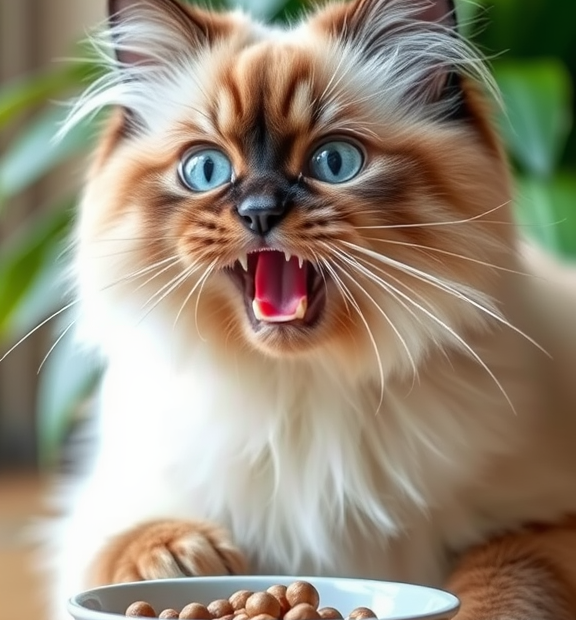
Effective Strategies to Encourage Your Ragdoll Cat to Eat Healthier
Understanding Your Ragdoll Cat’s Dietary Needs
Ragdoll cats are known for their gentle temperament and striking looks, but like all pets, their health starts with good nutrition. Ensuring your Ragdoll eats healthier is essential, not just for their coat’s shine or weight management, but also for their overall happiness and vitality. These cats have unique nutritional needs that, when met properly, can promote a longer, more comfortable life.
Your Ragdoll’s diet should primarily include high-quality protein since cats are obligate carnivores, meaning their bodies require meat for vital nutrients. But it’s not just about what they eat—it’s also how and when they eat that affects their health and happiness.
Choosing the Right Food for Your Ragdoll
First, assess the quality of the food you offer. Commercial cat food options vary widely, and opting for premium or specially formulated products for indoor or breed-specific needs can make a big difference. Look for foods with real meat listed as the top ingredient, free from fillers like corn, wheat, or soy, which often offer little nutritional value and can upset your cat’s digestion.
Wet food is generally better for hydration and palatability, which can encourage a Ragdoll cat to eat more healthily. Adding wet food to their meal routine or even mixing it with dry food can strike a good balance. Also, consider foods enriched with omega fatty acids, taurine, and antioxidants to support coat health and immune function.
Creating an Inviting Feeding Environment
Your ragdoll’s eating environment plays an important role in encouraging healthy food consumption. Cats are sensitive creatures, and an unsettling feeding area can make them reluctant to eat the foods you want them to enjoy.
Keep the feeding space quiet and free from distractions such as loud noises or heavy foot traffic. Ensure the bowls are clean and made of safe materials like ceramic or stainless steel. Position the food dish away from the litter box to maintain hygiene and comfort. Also, maintain a regular feeding schedule rather than free-feeding, as consistent mealtimes support better digestion and portion control.
Encouraging Healthy Eating Habits
If your Ragdoll is picky or reluctant to switch to healthier food, the key is patience and gradual change. Sudden switches can lead to rejection or digestive upset. Try mixing their current food with the healthier option in increasing amounts over one to two weeks. This helps your cat adapt to new tastes and textures.
Offering smaller, more frequent meals stimulates appetite and prevents overeating. Avoid feeding human snacks or table scraps that can encourage begging and unhealthy habits. Instead, reward your ragdoll with specially formulated cat treats that support nutrition and dental health.
Play and Activity for Appetite Stimulation
Your ragdoll’s happiness directly influences its appetite. Cats that are bored or inactive might lose interest in eating. Engage your cat in daily interactive play sessions using toys like feather wands or laser pointers to mimic hunting behavior. Increased activity not only helps maintain a healthy weight but also naturally boosts hunger, making healthier meals more appealing.
Monitoring Health and Weight Closely
Regular visits to the veterinarian can identify any underlying health issues that might suppress appetite or affect digestion. Conditions like dental problems, kidney disease, or diabetes can make eating difficult or uncomfortable for your Ragdoll.
Keep track of your cat’s weight and body condition. Healthy Ragdolls have a noticeable waist and ribs that can be felt but not seen prominently. If you notice persistent changes in eating habits or weight loss, consult your vet promptly.
Natural Supplements and Homemade Treats
Adding natural supplements like fish oil or probiotics can enhance your Ragdoll’s food, making it more enticing and healthier. Always discuss any supplements with your veterinarian to ensure they suit your cat’s specific needs. Additionally, preparing simple homemade treats, like cooked chicken pieces or small amounts of plain boiled fish, can reward your cat without compromising their health.
Building a Positive Relationship Around Mealtime
The emotional connection you build during feeding times influences your Ragdoll’s eagerness to eat. Use gentle praise and gentle petting while offering meals. Avoid forcing or rushing your cat, as this can create negative associations with food. Through calm reassurance, you can foster a trusting bond that encourages healthier eating over time.
Tips for Keeping Your Ragdoll Cat Happy and Physically Active
Understanding Your Ragdoll Cat’s Unique Needs
Ragdoll cats are known for their gentle nature and striking blue eyes. They tend to be calm and laid-back but still require regular mental and physical stimulation to stay content and healthy. Unlike more energetic breeds, Ragdolls often enjoy lounging, but that doesn’t mean they should miss out on activity. Helping your Ragdoll cat stay active prevents obesity, behavioral issues, and keeps their muscles toned.
Every Ragdoll has a unique personality, so paying close attention to their energy level and preferences will help you provide the best environment for both happiness and exercise. You want to strike a balance between respecting their calm demeanor and encouraging movement in a fun way.
Setting Up an Environment That Invites Movement
Creating spaces that naturally encourage your Ragdoll to move around can make a big difference in their activity level. These cats love vertical spaces because they feel safe and can look around the room comfortably.
- Install Cat Trees and Shelves: Provide a variety of heights and levels where your Ragdoll can climb and perch.
- Interactive Toys: Use wand toys or laser pointers to encourage playful chasing and jumping, which helps exercise their muscles and mind.
- Open Space for Movement: Clear a safe area where your cat can run or dash around freely without restrictions.
- Hide-and-Seek Games: Place treats or toys in different spots to stimulate their curiosity and exploration instincts.
Keeping the space interesting with rotating toys or new arrangements prevents boredom and keeps your cat engaged.
Creating Daily Routines That Boost Physical Activity
Ragdolls thrive with predictability. Establishing daily routines where you dedicate time to active play sessions influences your cat’s happiness and fitness. Short but consistent bursts of playtime can improve their mood and keep them agile.
Try to set aside at least 15-20 minutes twice a day to interact with your cat using toys that encourage jumping, pouncing, or chasing. Use positive reinforcement by rewarding your cat with their favorite healthy treats immediately after these sessions to motivate ongoing participation.
Encourage Exploration and Exercise Outdoors (Safely)
While Ragdolls are mainly indoor cats, some enjoy supervised outdoor adventures. Introducing walk harnesses or secure outdoor enclosures allows your cat to safely explore new environments and get fresh air.
These controlled outings stimulate their senses and encourage physical activity as they investigate plants, insects, and nature sounds. Always monitor your cat closely to avoid dangerous situations or stress.
Maintaining Mental Stimulation Alongside Physical Activity
Physical movement and mental stimulation go hand-in-hand. A bored cat is less likely to be active and more prone to stress-related behaviors. Engaging your Ragdoll’s brain can indirectly promote more enjoyable and frequent physical activity.
- Puzzle Feeders: These make your cat work a little to get their food, blending mental challenge with physical movement.
- Training Sessions: Teaching basic commands or tricks provides mental exercise and a bonding experience.
- New Toys and Scents: Introducing novel stimuli refreshes their interest and makes playtime exciting.
Monitoring Health and Weight for Optimal Happiness
Keeping track of your Ragdoll’s weight and body condition helps you know if they’re getting enough exercise and eating well. Ragdolls can be prone to weight gain due to their laid-back lifestyle. Ensure that their diet complements their activity level.
Frequent veterinary check-ups help catch any health issues that may make your cat less active. Being proactive about your Ragdoll’s health ensures they stay happy long-term.
Building a Strong Emotional Connection
Spending quality time with your Ragdoll cat strengthens their emotional wellbeing and encourages them to be more engaged. Simple acts such as gentle petting before play, speaking softly, and recognizing their cues create a trusting relationship.
When your Ragdoll feels loved and secure, they are more likely to participate joyfully in physical activity and play, rather than resist it.
Summary of Successful Strategies
- Design a cat-friendly environment with climbing and play areas.
- Commit to regular, engaging play sessions daily.
- Consider outdoor explorations using safe methods.
- Use toys and activities that stimulate mind and body.
- Monitor health and weight, adjusting diet and activity accordingly.
- Build trust and emotional bonds through gentle interaction.
By focusing on both physical activity and emotional wellbeing, you can help your Ragdoll cat lead a happy, active life. They’ll repay your efforts with affection and graceful companionship.
Conclusion
Helping your Ragdoll cat adopt healthier eating habits while keeping them happy and active is a rewarding journey that strengthens the bond between you and your furry friend. By introducing balanced, nutrient-rich foods gradually and making mealtime more engaging, you set the foundation for better health. Remember to offer a variety of textures and flavors specifically suited to Ragdolls, as their unique tastes can influence their willingness to eat healthier options.
Maintaining your Ragdoll’s happiness goes hand in hand with physical activity. Providing interactive toys, safe climbing spaces, and regular play sessions not only keeps your cat physically fit but also mentally stimulated. Ragdolls thrive in environments where they feel loved and mentally engaged, so creating a routine that combines healthy eating with fun activities can significantly improve their overall well-being.
Your commitment to these effective strategies ensures that your Ragdoll enjoys a vibrant, healthier life full of energy and joy. By focusing on both nutrition and activity, you support their natural instincts and cater to their gentle personality. With patience, consistency, and attention to your cat’s preferences, you can create a happy, thriving companion who feels their best every day.