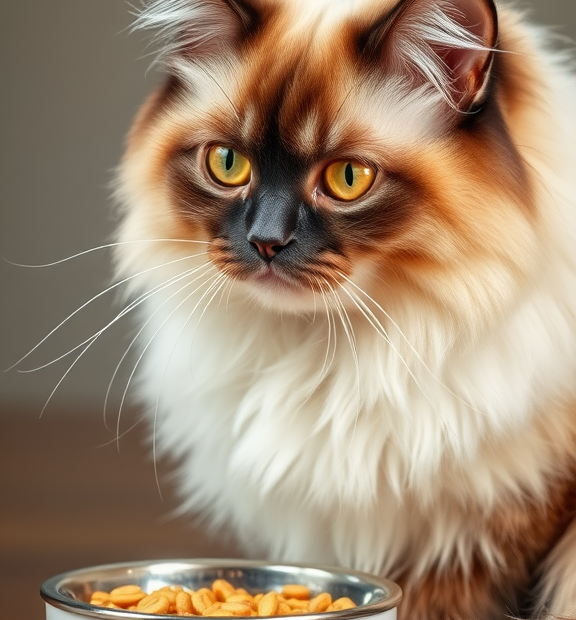
Solving Common Ragdoll Cat Feeding Problems: Practical Tips for a Happier, Healthier Pet
Caring for a Ragdoll cat includes understanding their unique feeding habits and nutritional needs. Many cat parents encounter challenges when trying to establish a consistent, healthy feeding routine for their Ragdoll. Addressing common feeding issues not only ensures your feline friend receives proper nutrition but also fosters a strong bond built on trust and comfort during meal times.
Understanding Ragdoll Cats’ Dietary Needs
Ragdolls are known for their gentle temperament and slightly larger-than-average size, which means their diet should be rich in high-quality proteins and essential nutrients. Feeding your cat a balanced diet tailored to its breed can prevent weight issues, digestive problems, and allergies. Choose cat food that includes real meat as the first ingredient and avoid artificial additives and fillers.
Common Feeding Problems and How to Tackle Them
Picky Eating Habits
It’s not uncommon for Ragdolls to turn their noses up at certain foods. This can be frustrating, but it’s manageable with patience. To encourage more adventurous eating behavior, try these tips:
- Offer a variety of flavors and textures to find what your Ragdoll prefers.
- Warm canned food slightly to enhance its aroma and appeal.
- Maintain a regular feeding schedule to foster appetite consistency.
- Gradually mix new foods with their current favorites to ease the transition.
Overeating and Weight Gain
Ragdolls can be prone to overindulging, especially when food is available freely throughout the day. Excess weight puts stress on their joints and heart. To prevent unhealthy weight gain:
- Measure portions accurately based on your vet’s recommendations.
- Use scheduled feeding times rather than free-feeding bowls left out all day.
- Incorporate play and exercise routines to keep your pet active.
Digestive Upset and Food Allergies
Some Ragdoll cats develop sensitivities or allergies to ingredients commonly found in cat food. Signs of food intolerance include vomiting, diarrhea, or itchy skin. Managing these issues involves:
- Keeping a food diary to track potential allergens.
- Switching to hypoallergenic or limited-ingredient diets.
- Consulting your veterinarian for proper diagnosis and treatment options.
Encouraging Healthy Eating Behavior
Building positive mealtime experiences plays a big role in your Ragdoll’s willingness to eat well. Tips for encouraging healthy eating include:
- Creating a quiet and comfortable feeding area away from noise and distractions.
- Using shallow, wide bowls to accommodate their facial structure.
- Offering fresh water alongside food to prevent dehydration and aid digestion.
Choosing the Right Food for Your Ragdoll
Selecting a diet that supports your cat’s health is essential. Look for:
- High protein content from meat sources such as chicken, fish, or turkey.
- Low carbohydrate percentages to prevent excessive weight gain.
- Added omega fatty acids to maintain shiny coats and healthy skin.
- Minimal fillers or artificial additives that can cause sensitivities.
When to Consult a Veterinarian
If you notice persistent feeding problems such as refusal to eat, sudden weight loss, or digestive issues, it’s important to seek professional advice. Chronic feeding difficulties might indicate underlying health conditions requiring medical attention.
Feeding your Ragdoll cat thoughtfully ensures they remain healthy, happy, and full of vitality. By recognizing and addressing common feeding problems early, you can provide your beloved pet with a balanced diet that meets their unique needs. Remember, your patience and care make all the difference in establishing a feeding routine that your Ragdoll looks forward to every day.
Choosing the Right Diet and Feeding Schedule to Support Your Ragdoll Cat’s Wellbeing
Understanding Your Ragdoll Cat’s Dietary Needs
Ragdoll cats are known for their gentle temperament and striking appearance, but their unique physiology also means their diet should be carefully considered. To keep your Ragdoll healthy and vibrant, it’s important to provide a balanced diet tailored to their specific needs. These cats have moderate activity levels and a tendency toward weight gain if their food intake isn’t properly managed.
First and foremost, Ragdolls require a diet that is rich in high-quality animal protein. This supports muscle maintenance and overall energy. Since felines are obligate carnivores, protein is not just beneficial but essential for their wellbeing. Look for cat foods that list real meat, poultry, or fish as the first ingredient.
Additionally, it’s crucial to choose foods with the right balance of fats and carbohydrates. Healthy fats like omega-3 and omega-6 fatty acids promote a shiny coat and healthy skin, which Ragdolls are known for. Avoid cat foods too high in carbs, such as those filled with excessive fillers like corn or wheat, as these can contribute to obesity and other health problems.
Portion Control and Feeding Frequency
Feeding your Ragdoll cat the right amount at appropriate intervals can prevent many common feeding problems, including overeating and digestive upset. Generally, adult Ragdolls do well with two meals per day, spaced roughly 8-12 hours apart. This schedule mimics their natural hunting routine and helps regulate metabolism.
Kittens, on the other hand, need more frequent meals — typically three to four feedings daily — because of their higher energy demands for growth and development. As your cat matures, transition slowly to fewer meals while monitoring their weight and activity levels.
Using precise measurements for each serving is essential. Free-feeding, or leaving food out all day, can lead to unwanted weight gain. Use a kitchen scale or measuring cup to ensure you’re not overfeeding. Keeping a feeding diary can be helpful to track intake and notice any changes in appetite or behavior that may indicate health issues.
Choosing Between Wet and Dry Food
Selecting the right type of food can significantly impact your Ragdoll’s hydration and dental health. Wet food contains a high moisture content, which is beneficial for cats prone to urinary tract problems or those who naturally drink less water. This is important because proper hydration supports kidney function and lowers the risk of bladder infections.
Dry food is convenient and can help maintain dental hygiene by reducing plaque buildup through the mechanical action of chewing. However, it often contains more carbohydrates, so choosing a high-quality brand with minimal fillers is vital.
Many cat owners find a mixed feeding strategy effective—offering both wet and dry food at different times of the day. This approach provides hydration benefits while satisfying their pet’s chewing instincts and offering variety in their diet.
Addressing Common Feeding Challenges
Ragdoll cats, like all pets, can develop feeding problems that affect their health. Here are some tips for managing these issues:
- Picky Eaters: If your Ragdoll refuses certain foods, try warming wet food slightly to enhance aroma or mixing in small amounts of a favorite treat to entice appetite.
- Overweight Cat: Adjust portions and limit treats. Incorporate interactive play sessions to increase calorie burn and prevent boredom eating.
- Digestive Upset: Switch foods gradually over a week to avoid stomach discomfort. Consult your veterinarian for specialized diets if diarrhea or vomiting persists.
Supplements and Special Diets
Sometimes your Ragdoll may benefit from added supplements, particularly if they have specific health concerns. Omega fatty acids, digestive enzymes, or joint-supporting nutrients like glucosamine can enhance their diet. However, supplements should never replace a balanced diet but serve as enhancements when recommended by a vet.
If your cat has allergies, sensitive stomach issues, or other medical conditions, your veterinarian may suggest hypoallergenic, grain-free, or prescription diets to improve their quality of life. Always follow professional advice and avoid making drastic dietary changes on your own.
Creating a Feeding Environment That Encourages Healthy Habits
The way you feed your Ragdoll cat can affect their eating behavior. Place their food bowl in a quiet, low-traffic area so they feel secure while eating. Avoid placing bowls near loud appliances or their litter box, as this can cause stress or reluctance to eat.
Use shallow, wide bowls which can prevent whisker fatigue — a common issue when cats eat from narrow or deep containers. Clean food and water dishes daily to maintain hygiene and prevent bacterial buildup.
Maintain a consistent feeding schedule. Cats thrive on routine, so feeding your Ragdoll at the same times every day helps regulate their digestion and metabolism.
Conclusion
Taking care of your Ragdoll cat’s feeding needs plays a crucial role in keeping them happy and healthy. By addressing common feeding problems—such as picky eating, overeating, or digestive troubles—you can make mealtime a positive experience for your furry friend. Choosing the right diet tailored to your Ragdoll’s specific needs ensures they receive all the nutrients essential for their unique build and temperament. Establishing a consistent feeding schedule helps regulate their appetite and supports better digestion, preventing weight issues and other health concerns. Remember, patience and observation are key; paying close attention to your cat’s preferences and reactions will guide you in making smart adjustments to their diet and routine. With these practical tips in place, you’re setting your Ragdoll up for a longer, healthier life filled with vitality and joy. Prioritizing their feeding habits is one of the simplest ways to show your love and care every single day.