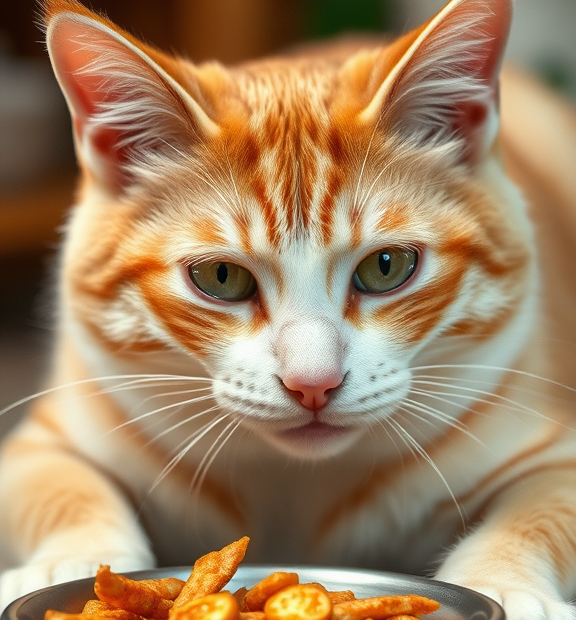
Understanding Why Your Floppy Cat Isn’t Eating Enough: Common Causes and Signs
If you notice your cat looking floppy, lifeless, or unusually limp and find that it’s not eating enough, it’s important to pay close attention. A decreased appetite combined with a floppy posture often signals that something isn’t quite right with your feline friend’s health or environment. Understanding the reasons behind this behavior can help you provide better care and ensure your cat regains its energy and appetite.
Recognizing Signs That Your Cat Isn’t Eating Enough
Knowing the early signs of poor nutrition in cats can help you intervene before the situation worsens. Watch for these common indicators:
- Weight Loss: A noticeable decrease in body weight over a few days or weeks.
- Lethargy: Your cat appears tired, weak, or less playful than usual.
- Floppy Posture: The cat may slump or seem unable to support itself properly.
- Reduced Grooming: Cats who eat less often neglect grooming, causing a dull or unkempt coat.
- Hiding or Withdrawal: Avoiding social interaction or spending excessive time hiding.
- Vomiting or Diarrhea: Digestive upset can accompany loss of appetite.
If you spot any of these signs, it’s a clear signal to investigate the underlying cause and seek veterinary advice.
Common Causes of Poor Appetite and Floppiness in Cats
Several factors can lead to a floppy cat with decreased food intake. Understanding these common causes will guide you toward effective solutions:
Medical Issues
Illness is often the primary reason for a cat’s loss of appetite and weakness:
- Dental Problems: Painful teeth or gums can discourage eating.
- Infections: Viral or bacterial infections might reduce appetite and energy.
- Kidney Disease: Chronic kidney problems are prevalent in older cats and lead to nausea and poor food intake.
- Gastrointestinal Disorders: Conditions like inflammatory bowel disease or parasites interfere with digestion.
- Diabetes or Hyperthyroidism: These metabolic disorders alter appetite patterns and energy levels.
Stress and Environmental Changes
Cats are sensitive creatures; changes in their surroundings can significantly impact their eating habits:
- New pets or family members in the home.
- Moving to a new house or rearranging furniture.
- Loud noises, remodeling, or renovations causing anxiety.
Stress can cause a cat to become withdrawn, floppy, and may suppress normal feeding behavior.
Food Preferences and Palatability
Cats may reject food that does not appeal to them in taste, texture, or smell. If you recently switched brands or flavors, your cat might be eating less as a result. Additionally, stale or spoiled food can be off-putting.
How to Encourage Your Cat to Eat More
Finding the right solution requires a combination of attention to health and environmental factors. Here are strategies proven to support better nutrition in cats experiencing poor appetite and floppiness:
Visit Your Veterinarian
Always start by consulting your vet to rule out or treat any underlying health problems causing the symptoms. Early diagnosis can prevent complications and promote recovery.
Improve Food Appeal
- Warm the food slightly to enhance aroma and taste.
- Offer a variety of textures like pate, chunks in gravy, or dry kibble.
- Introduce high-calorie, nutrient-dense options designed for picky eaters.
- Keep feeding areas clean and quiet to reduce stress during mealtime.
Reduce Stress and Create Comfort
Ensure your cat’s space is calm, secure, and free from disturbances. Provide cozy bedding and safe hiding spots. Use gentle play and interaction to boost your cat’s mood and appetite.
Monitor Hydration
Dehydration can worsen lethargy and impact appetite. Encourage fluid intake with fresh water, pet fountains, or wet food to maintain hydration.
When to Seek Immediate Help
If your cat hasn’t eaten for more than 24-48 hours, exhibits extreme weakness, or shows other alarming symptoms like vomiting, diarrhea, or difficulty breathing, contact your veterinarian immediately. Prompt medical attention is crucial, especially for cats, as prolonged starvation can lead to serious liver problems.
Understanding why your floppy cat isn’t eating enough helps you take meaningful steps to support its health. By observing behavior, identifying causes, and acting with care and attention, you can guide your feline companion back to a happy, nourished state.
Practical Solutions to Improve Nutrition and Appetite in Floppy Cats
Understanding Why Your Floppy Cat May Not Be Eating Well
A floppy cat, often showing signs of muscle weakness and low energy, can pose a challenge when it comes to maintaining proper nutrition. Poor appetite or diminished eating habits in these cats might stem from various causes such as underlying health issues, stress, or simply a loss of interest in their food. Recognizing why your floppy cat isn’t eating enough is the first step toward providing effective care and improving their nutritional intake.
Cats that are floppy often experience muscle weakness due to illnesses like feline neuromuscular disorders, metabolic problems, or even chronic infections. When a cat lacks energy and feels weak, it naturally tends to eat less. Poor nutrition worsens their condition, creating a vicious cycle. Therefore, providing the right dietary solutions tailored to your floppy cat’s specific needs is essential for their recovery and well-being.
Creating an Appealing Feeding Environment
The environment where you feed your floppy cat can significantly influence their willingness to eat. Cats are sensitive creatures who prefer calm, quiet spaces where they feel safe. If feeding takes place in a noisy or high-traffic area, your cat might feel stressed and avoid eating.
To encourage better eating habits:
- Choose a quiet room or corner free from distractions.
- Use shallow bowls or plates to make access easier, especially if your cat struggles with muscle weakness.
- Maintain cleanliness around their feeding area to promote comfort and hygiene.
- Offer small, frequent meals rather than large portions to reduce fatigue during eating.
These small changes can make a huge difference in motivating your floppy cat to eat regularly.
Enhancing Palatability and Nutritional Value
If your floppy cat isn’t eating enough, consider modifying their diet to make meals more enticing and nutritionally supportive. Here’s how you can improve both taste and nutrition:
- Warm Up Their Food: Slightly warming wet cat food can release appealing aromas, stimulating your cat’s appetite.
- Add Broths or Water: Mixing a bit of low-sodium chicken broth or warm water makes food softer and easier to chew and swallow.
- Incorporate High-Quality Proteins: Cats are obligate carnivores, so foods rich in animal protein like chicken, turkey, or fish support muscle health and energy.
- Include Nutrient-Dense Supplements: Omega-3 fatty acids, vitamins, and amino acids like taurine can aid recovery and overall vitality.
Approaching your cat’s meals with these enhancements encourages better eating habits and nourishes their weakened body.
Regular Veterinary Check-Ups and Tailored Dietary Plans
Sometimes, the cause behind a floppy cat’s low appetite isn’t obvious. Regular visits to the veterinarian can uncover issues such as dental pain, infections, or organ dysfunctions that affect eating. Your vet can recommend specialized diets designed for cats with muscle weakness or neuromuscular conditions.
Prescription diets or therapeutic foods often contain balanced nutrients and the correct calorie level to meet your cat’s specific needs. Additionally, veterinarians may suggest appetite stimulants or supplements to support muscle tone and energy levels.
Interactive Feeding Techniques to Encourage Eating
Making mealtime interactive may also help your floppy cat regain interest in food. Engaging your cat with gentle baiting techniques, such as:
- Offering treats by hand to stimulate their senses and encourage them to eat.
- Using puzzle feeders or slow feeders that provide mental engagement and reward eating behavior in small, manageable portions.
- Frequent but gentle petting during feeding time to create a positive association with food.
These interactive methods can reduce anxiety and increase appetite in cats experiencing lethargy or muscle weakness.
Hydration and Its Role in Nutrition for Floppy Cats
Proper hydration is crucial, especially when a floppy cat is reluctant to eat. Dehydration can worsen muscle weakness and overall health. Encourage fluid intake by:
- Providing fresh, clean water daily in multiple locations around your home.
- Offering wet food options which contain higher moisture content than dry kibble.
- Adding water or low-sodium broth to meals to increase fluid consumption.
- Considering pet water fountains that entice cats to drink more regularly through flowing water.
Maintaining optimal hydration supports digestion, keeps muscles healthy, and complements nutritional efforts.
Monitoring Progress and Adjusting Care
When addressing poor nutrition in floppy cats, consistent monitoring is essential. Keep track of your cat’s eating patterns, weight, energy levels, and muscle strength. If you notice no improvement or if your cat’s condition worsens, consult your veterinarian promptly.
Adjust feeding techniques, diet, or treatment based on your pet’s progress to ensure they get the best support possible. Working closely with a professional will help tailor approaches that meet your cat’s evolving needs.
By understanding the challenges floppy cats face and applying practical solutions—from creating inviting feeding spaces to enhancing food palatability, managing hydration, and seeking veterinary guidance—you can significantly improve their nutrition and quality of life. Remember that patience, observation, and customized care are key to ensuring that your floppy cat regains their strength and appetite.
Conclusion
Seeing your floppy cat struggle with poor appetite can be worrying, but understanding the common causes and signs helps you take timely action. Cats often reduce their food intake due to stress, illness, dental problems, or changes in their environment. Recognizing these causes early on gives you the best chance to address the issue before it affects their overall health.
Thankfully, there are practical solutions to boost your floppy cat’s nutrition and appetite. Providing fresh, palatable food, creating a calm feeding environment, and offering small, frequent meals can make a big difference. Sometimes, warming up the food or adding tasty toppers encourages your cat to eat more. Regular veterinary check-ups are also important, as they can identify underlying health problems needing treatment.
By paying close attention to your cat’s behavior and nutrition needs, you can help them regain a healthy appetite and energy. Remember, your floppy cat’s well-being depends on good nutrition, so taking proactive steps is essential. With patience and care, you can support your furry friend through feeding challenges and ensure they stay happy and healthy for years to come.