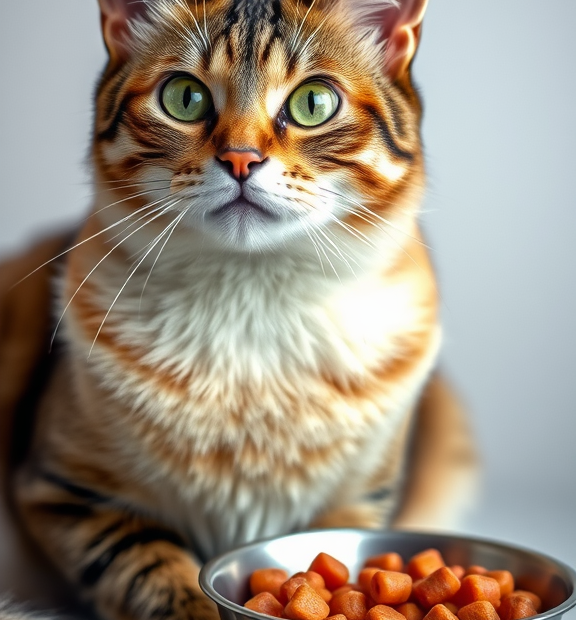
Best Diet Options for Your Floppy, Docile Cat: Tailoring Nutrition to Support Calm and Gentle Behavior
Understanding the Nutritional Needs of a Floppy, Docile Cat
Your floppy, docile cat has unique dietary needs that help maintain calmness, promote gentle behavior, and support overall health. Unlike energetic or anxious cats, these calm companions often benefit from a diet that enhances relaxation while providing balanced nutrition. By focusing on specific nutrients and ingredients, you can support your cat’s peaceful demeanor and physical well-being.
Key Nutrients That Promote Calmness and Gentleness
Certain vitamins, minerals, and amino acids play a role in stabilizing your cat’s mood and promoting a serene personality. Here’s what to look for in your cat’s food:
- Omega-3 Fatty Acids: Found in fish oil, these fatty acids reduce inflammation and support brain health, which can calm nervous system responses and promote relaxation.
- L-Tryptophan: This essential amino acid helps the body produce serotonin, a neurotransmitter responsible for mood regulation and stress relief.
- Magnesium: Magnesium has a calming effect on the nervous system and may reduce muscle tension and anxiety behaviors.
- Vitamin B Complex: B vitamins contribute to nervous system health and can enhance your cat’s overall mood stability.
Choosing the Right Protein Sources
High-quality protein is essential for every feline diet. For a floppy, docile cat, you want protein that’s easily digestible and supports gentle energy levels. Preferred protein sources include:
- Chicken and Turkey: These lean meats provide amino acids without overwhelming your cat with excess fat or calories.
- Fish: Salmon and sardines are excellent for omega-3s, which also help maintain a glossy coat and healthy skin.
- Eggs: Rich in essential amino acids and easy for many cats to digest, eggs can be an occasional treat that supports calmness.
Limit red meats and overly fatty proteins to avoid hyperactivity or digestive discomfort.
Carbohydrates and Fiber: Supporting Digestive Health and Mood
Even though cats are obligate carnivores, small amounts of carbohydrates and fiber can help keep their digestion smooth and their moods balanced. Consider including:
- Sweet Potatoes or Pumpkin: These provide fiber, which promotes gut health and regular bowel movements.
- Brown Rice or Barley: Complex carbohydrates that offer steady energy without spikes that might disturb your cat’s calm behavior.
These ingredients also add natural antioxidants that support your cat’s immune system.
Hydration: An Often Overlooked Calmness Factor
Proper hydration is key to maintaining your floppy cat’s gentle nature. Dehydration can cause discomfort and irritability. Wet cat food is an excellent choice because it helps increase fluid intake, supports kidney health, and keeps your cat feeling comfortable and relaxed. If you feed dry food, ensure your cat drinks plenty of fresh water daily.
Commercial Diets Formulated for Calm Behavior
Several premium cat food brands offer formulas specifically designed to promote relaxation and reduce stress. These diets often contain a balance of nutrients such as added L-tryptophan, green tea extracts, and calming herbal blends alongside vitamins and minerals that support mental wellness.
Look for phrases like “calm care,” “anti-stress formula,” or “soothing blend” on labels. Always consult your veterinarian before introducing specialized diets to confirm they fit your cat’s individual health needs.
Homemade Meals: Tailoring Nutrition with Care
If you prefer preparing your cat’s meals at home, aim for recipes that meet their nutritional needs without excess additives or fillers. A balanced homemade diet might include:
- Cooked lean poultry or fish as a primary protein source
- Small amounts of cooked vegetables like pumpkin for fiber
- Essential supplements recommended by your veterinarian, including omega-3 fatty acids and vitamins
Always ensure homemade foods are complete and balanced. Consult a veterinary nutritionist to help create appropriate meal plans to keep your floppy companion calm and healthy.
Foods and Substances to Avoid for a Calm Cat
Some ingredients and additives can cause hyperactivity or digestive upset in cats, which counters the goal of maintaining a floppy, docile demeanor. Avoid the following:
- High sugar content or artificial sweeteners
- Excessive caffeine or stimulants
- Artificial colors and preservatives
- Foods high in artificial flavors or unnecessary fillers
Stick to natural, whole-food ingredients when possible to support your cat’s gentle nature.
Tips to Encourage Healthy Eating Habits
Nutritional choices are important, but how you feed your cat matters, too. Here are ways to promote calm mealtime behavior:
- Consistent Feeding Schedule: Feed your cat at the same times daily to reduce stress and establish a comforting routine.
- Calm Environment: Offer meals in a quiet, low-traffic area to help your cat feel safe and secure.
- Slow Feeder Bowls: Using a slow feeder can prevent gulping and aid digestion, encouraging a relaxed eating pace.
Checking in Regularly with Your Veterinarian
Every cat is different, and a floppy, docile one might have specific dietary needs related to age, health conditions, or past experiences. Regular vet visits help monitor your cat’s condition and dietary success. Your veterinarian can recommend tailored supplements or diet changes that effectively support your cat’s calm and gentle personality.
By thoughtfully selecting diet options tailored to your floppy, docile cat, you’re investing in their lifelong comfort and happiness. Balanced nutrition, hydration, and gentle feeding routines all work together to keep your peaceful feline friend feeling their very best.
How Lifestyle and Environment Affect the Eating Habits of Floppy, Docile Cats
Understanding the Role of Environment on Eating Habits
Floppy, docile cats often display unique eating behaviors influenced greatly by their surroundings. Unlike energetic felines who may chase down prey or play actively, these gentle cats tend to be more sedentary, and their environment can subtly shape how they approach mealtime. For example, a quiet, peaceful space where their food is served encourages relaxed eating, which is essential for cats prone to stress or anxiety. On the other hand, a noisy area or crowded feeding spot can cause discomfort, leading to irregular eating patterns or even food refusal.
Housing conditions also matter. Indoor environments that lack stimulation might result in a floppy cat showing less interest in food simply because of boredom. Providing interactive feeding toys or puzzle feeders can make mealtime engaging, encouraging these cats to eat more consistently while also promoting mental wellness. Such tools are especially helpful to maintain healthy eating schedules without causing overeating.
How Lifestyle Influences Dietary Preferences
The lifestyle of a docile cat plays a significant role in what and how much they eat. These cats generally expend less energy, requiring a diet that matches their lower activity level. For owners, adjusting the calorie intake is crucial to avoid weight gain, which is common when cats are less active. High-calorie diets meant for active cats can quickly lead to obesity in floppy, docile companions.
Additionally, the daily routine you maintain can affect your cat’s appetite. Cats thrive on consistency, so feeding at the same times each day helps regulate their hunger and digestion. Because docile cats often prefer calm environments, scheduling meals during quiet parts of the day can support better feeding responses. Sudden changes in routine or unexpected disruptions around mealtime might cause these cats to skip meals or eat less than necessary.
The Importance of Food Texture and Variety
Texture can influence the eating habits of floppy, docile cats considerably. Many cats are picky about the mouthfeel of their food. Soft, moist food options often appeal more to these gentle cats, who might find dry kibble harder to chew or less enticing. Cats with dental issues, which can be more noticeable in relaxed cats unwilling to show discomfort, particularly benefit from softer food options.
Introducing a variety of flavors and textures not only keeps the diet interesting but can also encourage better nutrition. Rotating between wet and dry food or incorporating occasional high-quality treats can stimulate appetite. For docile cats, this helps counteract monotony that might otherwise lead to a decrease in food consumption.
Environmental Enrichment to Support Healthy Eating Habits
Creating a positive feeding environment involves several key factors. Separation from other pets during meals prevents competition or anxiety, which is essential for docile cats that might be more sensitive. A designated feeding area equipped with clean bowls and a comfortable surrounding can encourage regular eating patterns.
Moreover, environmental enrichment beyond feeding times, such as gentle play sessions or grooming, can reduce stress and promote overall health. When cats feel safe and secure, their appetite naturally improves. Owners should observe how their cat responds to different settings and adjust the feeding environment accordingly, making mealtime a pleasant experience.
Tips for Cat Owners: Optimizing Lifestyle and Environment for Your Floppy Cat’s Diet
- Maintain a Quiet Feeding Space: Minimize noise and activity around meal times to help your cat eat calmly.
- Schedule Meals Consistently: Feeding at the same times daily helps regulate appetite and digestion.
- Offer Soft, Palatable Foods: Choose wet or soft cat foods to promote easier eating and better nutrient absorption.
- Use Puzzle Feeders: Encourage engagement and mental stimulation through interactive feeding devices.
- Separate From Other Pets: Avoid competition and stress by feeding your floppy cat in a private area.
- Rotate Food Flavors and Textures: Keep your cat interested and ensure a well-rounded diet.
- Provide Enrichment Activities: Gentle play and grooming reduce stress and support regular eating habits.
By focusing on the unique needs of floppy, docile cats and adapting their lifestyle and environment accordingly, owners can foster healthier eating habits. These adjustments ensure that the cat remains happy, well-nourished, and comfortable with their diet, enhancing overall wellbeing. Paying attention to subtle environmental cues and lifestyle patterns can profoundly influence how these calm companions interact with their food, supporting balanced nutrition over the long term.
Conclusion
Supporting your floppy, docile cat with the right diet is essential to nurturing their calm and gentle nature. Choosing foods rich in omega-3 fatty acids, high-quality proteins, and balanced vitamins can promote not only their physical health but also a steady, relaxed demeanor. Tailoring nutrition to their unique needs ensures they receive the energy and nutrients necessary to thrive without overstimulation or irritability.
Remember, your cat’s eating habits don’t exist in a vacuum. Lifestyle and environment play a huge role in how they respond to their diet. A calm, quiet space with minimal stress encourages healthy eating patterns and digestion, especially for cats who are naturally laid-back. Providing consistent meal times and reducing distractions can help your floppy cat feel safe and comfortable, enhancing their overall well-being.
By combining thoughtful dietary choices with an enriching, peaceful environment, you create the perfect foundation for your docile cat’s health and happiness. When you pay attention to both nutrition and surroundings, you support their gentle personality and help them enjoy a fulfilling, balanced life. So, next time you think about your floppy cat’s needs, remember: it’s not just what you feed them, but also how and where they enjoy their meals that makes all the difference.