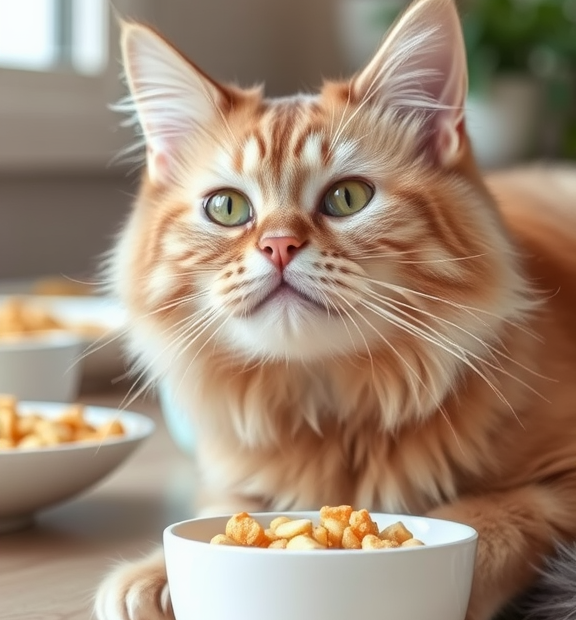
Managing Your Floppy Cat’s Eating Habits for Better Health: Practical Tips and Techniques
Understanding Your Cat’s Unique Eating Behavior
Floppy cats have a charm all their own, but sometimes their eating habits can pose challenges that affect their health. Each cat is unique, and understanding how your floppy cat approaches mealtime is the first step toward improving their eating habits. Pay attention to their hunger cues, food preferences, and any signs of discomfort or disinterest during feeding times.
Some cats tend to eat too quickly, increasing the risk of choking or digestive upset. Others might be picky eaters or reluctant to eat certain textures or flavors. Recognizing these patterns helps you tailor your approach to better suit your cat’s needs while promoting overall health and vitality.
Setting a Consistent Feeding Schedule
One of the most effective ways to manage your floppy cat’s eating habits is by establishing a regular feeding routine. Cats thrive on consistency, and predictable mealtimes reduce anxiety and encourage healthy eating behavior. Feeding your cat at the same times every day develops a healthy rhythm.
Avoid leaving food out all day, as free feeding can lead to overeating or poor eating patterns. Instead, provide meals in measured amounts, and remove uneaten food after 20-30 minutes. This technique encourages your cat to eat during scheduled times and prevents grazing, which can disrupt digestion and lead to weight issues.
Choosing the Right Food for Optimal Nutrition
The quality and type of food you provide greatly influence your floppy cat’s health and eating habits. Look for high-quality commercial cat food that meets your feline’s specific nutritional requirements. Cats need a diet rich in animal-based proteins, certain fats, and essential vitamins and minerals.
If your floppy cat has special health concerns or preferences, consider consulting your veterinarian about tailored diets or supplements. Sometimes, wet food may be more appealing and hydrating, while other cats may prefer certain textures or flavors. Experimenting with small quantities helps you identify what your floppy cat enjoys and what supports their well-being.
Encouraging Healthy Eating Through Environmental Adjustments
Sometimes the environment has a big impact on how your floppy cat eats. Providing a calm, quiet feeding area free from distractions helps your cat feel safe and focused during mealtimes. Loud noises, other pets, or busy household areas can cause stress, leading to decreased appetite or rushed eating.
Additionally, using shallow, wide dishes can make eating more comfortable and enjoyable, especially for floppy cats that may have specific positioning or comfort needs. Placing food bowls at a comfortable height reduces strain and encourages your cat to eat without discomfort.
Practical Techniques to Promote Better Eating Habits
- Portion Control: Measure your cat’s food precisely to prevent overeating and obesity. Feeding guidelines on packaging or veterinary advice can guide portion sizes based on your cat’s weight and activity level.
- Interactive Feeding: Use puzzle feeders or slow feeders to stimulate your cat’s natural hunting instincts. These tools make mealtime engaging and prevent rapid eating, which can trigger vomiting or indigestion.
- Positive Reinforcement: Praise and gently pet your cat when they eat calmly and steadily. Creating a positive association with mealtime encourages better behavior.
- Observe and Adapt: Monitor changes in appetite or eating patterns, as these may signal health issues like dental problems, stress, or illness that require veterinary attention.
Monitoring and Adjusting for Long-Term Success
Managing your floppy cat’s eating habits is an ongoing process that requires patience and attention. Keep a daily record of meal times, portion sizes, and how much your cat consumes. This habit provides insight into your cat’s eating patterns and helps spot early signs of appetite loss or overeating.
Regular veterinary checkups are essential to assess your floppy cat’s weight, dental health, and overall nutritional status. Your vet can help you adjust the diet or feeding routine to maintain optimal health. Remember, small changes can make a big difference over time in improving your cat’s quality of life.
Addressing Common Challenges with Compassion
It’s not unusual to encounter hurdles while managing your floppy cat’s eating habits. Cats can be stubborn or sensitive about food, and illness or stress can add complexity. Approach these challenges with empathy and observation—sometimes, a change in environment, food type, or feeding method can resolve issues.
Always avoid forcing your cat to eat or using food as a bribe for behavior, as this can create negative associations. Instead, focus on creating a stress-free, inviting atmosphere that supports your floppy cat’s natural eating instincts.
Final Encouragement
If you consistently apply these practical tips and techniques, you will help your floppy cat develop healthier eating habits that lead to better overall health. Remember, your attentive care and understanding make all the difference in ensuring your furry friend enjoys every meal safely and happily.
Recognizing and Addressing Common Dietary Challenges in Floppy Cats
Understanding Your Floppy Cat’s Unique Dietary Needs
Floppy cats, often known for their relaxed and gentle demeanor, can sometimes present unique challenges when it comes to maintaining healthy eating habits. These cats may have underlying health issues or behavioral traits that affect how and what they eat. Recognizing these challenges early is key to helping your floppy feline thrive and enjoy better health through proper nutrition.
Common Dietary Challenges Faced by Floppy Cats
Floppy cats can exhibit various eating difficulties for different reasons. Here are some of the most frequent dietary challenges that cat owners notice:
- Poor Appetite: Some floppy cats may show limited interest in food, leading to inadequate calorie intake.
- Difficulty Chewing or Swallowing: Cats with dental problems or muscle weakness might struggle to chew or swallow their food properly.
- Selective Eating: Floppy cats might be picky about textures, flavors, or types of food, making meal planning tricky.
- Weight Loss or Gain: Changes in eating habits can cause unintentional weight fluctuations impacting overall health.
- Digestive Upset: Vomiting, diarrhea, or constipation might be signs that the cat’s diet isn’t agreeing with them or that there is an underlying health issue.
Signs That Indicate Your Cat’s Eating Habits Need Attention
Keeping a close eye on your floppy cat’s eating routine lets you spot issues early. Here are some signs that suggest a need for intervention:
- Decreased appetite lasting more than 24 hours
- Excessive drooling or pawing at the mouth
- Unexplained weight loss or gain over a short period
- Changes in stool consistency or frequency
- Lethargy coinciding with poor eating habits
If you observe any combination of these symptoms, it is important to consult your veterinarian promptly to rule out health problems.
Strategies to Improve Your Floppy Cat’s Diet
Adjusting your cat’s diet thoughtfully can make a huge difference in managing their eating challenges. Here are practical steps you can take:
1. Consult with a Veterinarian
Begin with a veterinary check-up to identify any underlying medical conditions, such as dental disease or gastrointestinal issues, that could be affecting your cat’s appetite or ability to eat.
2. Choose the Right Kind of Food
Selecting food tailored to your floppy cat’s specific needs is essential. Soft or wet food might be easier to eat if chewing is a problem. Hypoallergenic or sensitive stomach formulas can alleviate digestive issues.
3. Offer Frequent Small Meals
Rather than one or two large meals, giving smaller, more frequent servings helps maintain steady energy levels and reduces stress around feeding time.
4. Monitor Food Temperature and Presentation
Warming up food slightly can enhance aroma and appeal, encouraging reluctant eaters to try it. Serve meals in shallow dishes to make eating more accessible.
5. Encourage Hydration
Many floppy cats are at risk of dehydration. Providing water fountains or mixing water with wet food supports hydration, which is vital for digestion and overall health.
6. Use Supplements Wisely
Sometimes adding supplements like omega-3 fatty acids or probiotics, after veterinary advice, can improve appetite, coat condition, and gut health.
Creating a Calm and Comfortable Feeding Environment
Your cat’s eating environment greatly influences their willingness to eat. A quiet, stress-free area with minimal distractions helps your floppy cat focus on their meal. Avoid changing feeding locations abruptly and keep litter boxes and food bowls separate to reduce anxiety.
Behavioral Modifications to Support Healthy Eating
Some floppy cats might need gentle encouragement to maintain good eating habits. Try these behavioral strategies:
- Positive Reinforcement: Praise and reward your cat during feeding times to associate eating with positive experiences.
- Routine: Establish consistent feeding times to create a sense of predictability and security.
- Interactive Feeding: Use puzzle feeders or slow feeders to stimulate natural hunting instincts and prevent boredom.
When to Seek Professional Help
If your floppy cat continues to exhibit poor eating habits despite your best efforts, it’s essential to seek professional guidance. Ongoing issues could indicate serious health concerns like gastrointestinal diseases, metabolic conditions, or neurological disorders affecting muscle control and swallowing.
Veterinarians can perform diagnostic tests and create specialized dietary plans tailored for your cat’s needs, often involving collaboration with veterinary nutritionists.
Taking Charge of Your Floppy Cat’s Dietary Health
By recognizing and addressing common dietary challenges, you play a crucial role in ensuring your floppy cat enjoys a healthier and happier life. Patience, observation, and proactive care are your best tools. Changes in eating behavior can be an early signal of health complications, so responding quickly gives your cat the best chance to maintain proper nutrition and vitality.
Remember, every floppy cat is unique. Learning what works best for your individual pet will guide you in managing their dietary habits effectively, promoting long-term wellness.
Conclusion
Taking charge of your floppy cat’s eating habits is essential for promoting their overall health and happiness. By applying practical tips and techniques—such as establishing consistent feeding routines, providing balanced nutrition, and monitoring portion sizes—you can create a supportive environment that encourages your cat to eat well and stay energized. Understanding the unique dietary challenges that floppy cats often face, including difficulty chewing or swallowing and sensitivity to certain foods, allows you to tailor their meals to meet their specific needs more effectively.
Addressing these challenges early helps prevent nutritional deficiencies and supports your cat’s physical comfort and vitality. Remember, patience and observation are key. Pay close attention to your cat’s reactions to different foods and adjust accordingly. Consulting with your veterinarian can also provide valuable guidance to ensure your floppy cat receives a diet that supports muscle tone and overall well-being. Managing your floppy cat’s eating habits isn’t just about food—it’s about caring for their quality of life. By staying attentive and proactive, you’re giving your beloved pet the best chance to thrive, even with the unique challenges floppy cats face. Prioritizing their nutrition lays a strong foundation for many healthy years ahead.