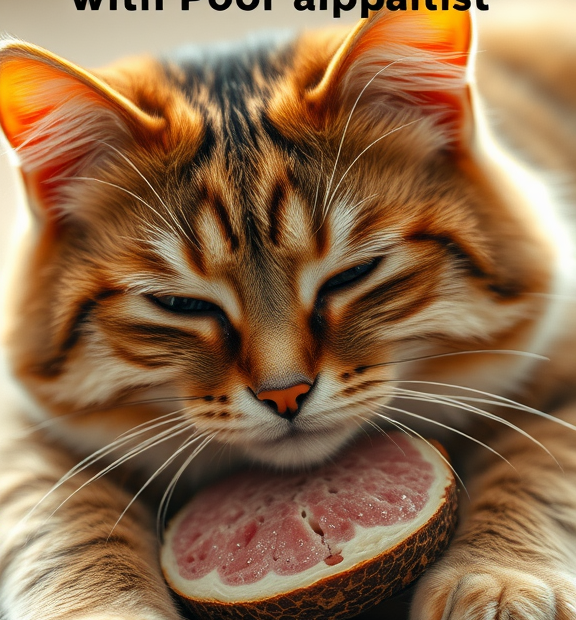
Easy Solutions for Floppy Cats with Poor Appetite: Practical Tips to Encourage Eating
Understanding the Causes Behind Poor Appetite in Cats
When your cat appears floppy and shows little interest in food, it can be concerning. Various factors may cause a cat’s appetite to drop, including stress, illness, dental problems, or even changes in the environment. Understanding why your cat refuses to eat helps you provide the right support to encourage them to enjoy their meals again.
Many cats are sensitive to change. A new pet in the house, moving furniture, or even a different type of food bowl can upset them. Additionally, health issues like infections, gastrointestinal problems, or kidney disease often result in a diminished desire to eat. Dental pain is another usual culprit; it can make chewing food uncomfortable and lead to food refusal.
Easy Strategies to Encourage a Cat with a Poor Appetite to Eat
If your cat is floppy and uninterested in eating, there are simple yet effective methods you can try at home to stimulate their appetite and improve their energy levels.
Warm Up the Food
Warming your cat’s food lightly can release aromas that perk up their senses. Cats rely heavily on smell to decide if food is appealing. Heating wet food to just below body temperature makes it more enticing, especially for cats that are feeling lethargic, as the smell can trigger their hunger instinct quickly.
Offer Small, Frequent Meals
Instead of one or two large meals, try giving small portions multiple times throughout the day. This approach is less overwhelming for a cat with a poor appetite and helps keep their energy up without forcing them to eat too much at once.
Use Appetizing Toppers and Mix-Ins
Adding a bit of tasty topper, such as a small amount of tuna juice, low-sodium chicken broth, or a sprinkle of freeze-dried meat treats, can make regular food more appealing. Mixing these with the cat’s usual diet can encourage them to eat even when their appetite is weak.
Creating a Comfortable Eating Environment
The surroundings where your cat eats can have a huge impact on their willingness to eat. Cats value quiet and calm spaces, so it’s important to make mealtime stress-free.
- Choose a Quiet Spot: Place food bowls in a low-traffic area away from noise and distractions, allowing your cat to focus on eating without fear or interruptions.
- Provide Clean Bowls: Cats are very particular about hygiene. Use clean bowls daily to avoid off-putting smells or tastes.
- Use Non-Plastic Dishes: Some cats dislike plastic bowls due to smell or texture. Ceramic or stainless steel dishes are usually better choices.
Checking for Medical Issues
If your cat continues to be floppy and uninterested in food after trying these tips, a visit to the veterinarian is essential. Poor appetite can signal an underlying illness that needs proper treatment. The vet may perform a physical exam, blood tests, or dental check to diagnose any health problems causing the loss of appetite.
Prompt veterinary attention can prevent serious complications like dehydration or weight loss, which are common when cats don’t eat well for several days.
Additional Comfort Measures
Some cats benefit from gentle encouragement and companionship during mealtime. Sitting quietly near your cat while they eat, speaking softly, or offering gentle petting can reassure them. Additionally, playing with your cat shortly before a meal can stimulate their natural hunting instincts, making them more likely to eat.
Hydrate Your Cat
Sometimes, cats with poor appetite also drink less water, which worsens their condition. Encourage hydration by offering fresh water often or adding water or broth to their wet food. You can also try pet water fountains, which attract cats to drink more through flowing water.
Consider Food Variety and Quality
Offering a range of flavors and textures can help find what appeals to your cat the most. High-quality cat food with good ingredients increases palatability. Grain-free options or formulas made with real meat can sometimes be more enticing to cats with sensitive palates. Avoid sudden changes by gradually mixing new food with the old to prevent upsetting your cat’s digestion.
What to Avoid When Your Cat Has Poor Appetite
While helping your floppy cat, avoid forcing them to eat. This can cause stress and reduce appetite further. Stay away from human food or treats that can upset their stomach or cause harm. Also, don’t ignore prolonged poor appetite; if your cat refuses food for more than 24–48 hours, seek veterinary advice immediately.
By understanding your cat’s needs and using these easy, practical solutions, you’ll improve their chances of recovering appetite swiftly and feeling better soon. Your patience and care will make a meaningful difference in your pet’s wellbeing.
Understanding the Causes Behind Poor Appetite and Floppiness in Cats
Why Cats Lose Their Appetite and Become Floppy
Cats are known for being picky eaters, but when a cat shows a persistent poor appetite combined with floppiness—meaning weakness or a lack of energy—it signals that something may be wrong. Understanding these changes in your feline friend’s behavior is crucial so you can take timely action.
Floppiness often refers to a cat’s inability to maintain its normal posture or muscle tone. When your cat suddenly seems limp, weak, or unusually lethargic, and avoids eating, it’s not just an appetite issue but possibly a sign of an underlying health problem.
Common Causes of Poor Appetite in Cats
Several factors can cause a cat to lose interest in food. Identifying these causes can help you address the problem effectively:
- Dental Issues: Tooth decay, gum disease, or oral pain can make eating painful. This discomfort often leads to a decreased food intake.
- Gastrointestinal Problems: Conditions like gastritis, constipation, or intestinal blockage affect digestion and can suppress appetite.
- Infections: Viral, bacterial, or parasitic infections make cats feel unwell, reducing their hunger.
- Stress or Anxiety: Changes in the environment, addition of new pets, or loud noises can stress your cat, causing behavioral changes including poor eating habits.
- Chronic Diseases: Kidney disease, liver problems, or diabetes can reduce appetite over time.
- Medications or Vaccinations: Side effects like nausea or fatigue can cause your cat to eat less temporarily.
What Does Floppiness in Cats Indicate?
Floppiness is not a common descriptor for cat behavior, but it describes a serious condition where the cat lacks muscle strength or coordination. Possible causes include:
- Neurological Disorders: Issues affecting the nervous system may cause weakness or loss of muscle control.
- Muscle Diseases: Conditions such as myopathy weaken muscles, making the cat appear floppy.
- Injuries: Trauma or fractures can result in reduced ability to move or hold posture.
- Toxins: Exposure to poisonous substances can cause muscle weakness and collapse.
- Metabolic Imbalances: Low blood sugar or electrolyte disturbances often cause weakness and floppiness.
How Poor Appetite and Floppiness Connect
These two symptoms often occur together because they can stem from a single cause affecting the cat’s overall health. For example:
If your cat has an infection, it might feel too weak to eat and move normally.
Nutrient deficiencies due to poor eating habits can also cause muscle weakness and lack of energy.
Chronic illnesses that interfere with metabolism can diminish appetite and cause physical fatigue.
Signs to Watch For in Addition to Poor Eating and Floppiness
Besides reduced appetite and weakness, other signs can help you spot a problem early:
- Weight loss or muscle wasting
- Vomiting or diarrhea
- Excessive drooling or bad breath
- Changes in behavior like hiding or irritability
- Unsteady walking or difficulty jumping
- Rapid breathing or coughing
When to See a Veterinarian
Because poor appetite and floppiness signal serious issues, it is critical to consult a veterinarian as soon as you notice these signs in your cat. Immediate professional evaluation will help determine if there is an illness that needs urgent treatment. Delaying care can lead to worsening symptoms and more complicated recovery.
Preventing Appetite Problems and Floppiness
Maintaining your cat’s health reduces the risk of these symptoms. Here’s how:
- Provide balanced, nutritious meals suited to your cat’s age and health needs.
- Ensure your cat has regular veterinary check-ups for early detection of health problems.
- Keep the living environment calm and safe to minimize stress.
- Maintain good dental hygiene through professional cleanings and dental treats.
- Watch for signs of illness, especially if your cat stops eating or looks weak.
Taking Action at Home
If your cat shows mild signs of reduced appetite but isn’t floppy or sickly, you can try some simple steps to encourage eating:
- Warm the food slightly to enhance aroma and appeal.
- Offer small, frequent meals throughout the day.
- Try different flavors or textures of food to find what excites your cat.
- Provide fresh, clean water at all times to prevent dehydration.
Avoid forcing your cat to eat as it can increase stress, but observe their behavior carefully. If the appetite does not improve within 24-48 hours, seek veterinary advice immediately.
Understanding the interplay between poor appetite and floppiness in cats helps you spot potential health issues early. Paying close attention to these clues and responding with care can make a huge difference in your cat’s well-being and quality of life.
Conclusion
Helping a floppy cat with a poor appetite can feel challenging, but with the right approach, you can make a big difference in their health and happiness. Knowing the reasons behind their low energy and reluctance to eat is the first step. Whether it’s a minor issue like stress, dental discomfort, or a more serious health problem, understanding the cause guides you toward the best solution. Simple strategies, such as offering enticing, warm meals, providing gentle encouragement, and creating a calm feeding environment, can motivate your cat to eat more willingly. Paying close attention to their behavior lets you spot any changes quickly and adjust your care accordingly. Remember, a proactive approach not only improves your cat’s appetite but also restores their vitality and comfort. With patience and thoughtful care, your floppy cat can regain the energy and enthusiasm for food that they need to thrive.