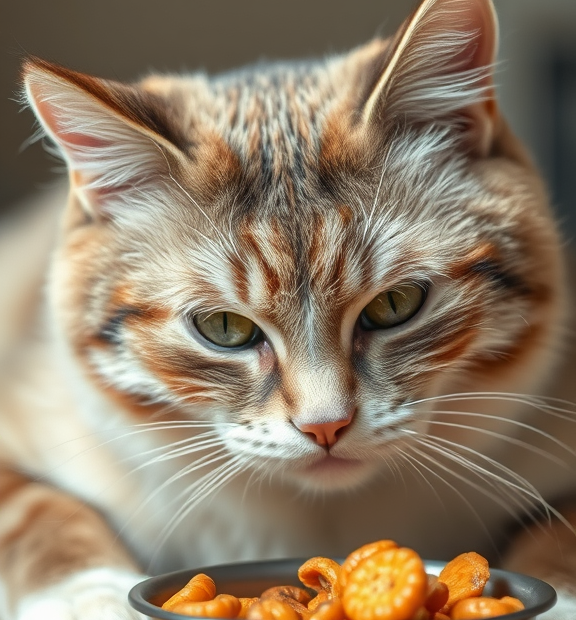
Effective Techniques to Feed Your Floppy, Docile Cat Without Overfeeding
Caring for a floppy, docile cat comes with unique feeding challenges. These gentle companions often have a calm demeanor, making it tricky to spot when they have eaten enough. Overfeeding can lead to weight gain and health problems, so it’s crucial to find the right balance. Here’s how you can ensure your laid-back feline friend gets proper nutrition without going overboard.
Recognizing the Right Portion Size for Your Cat
Each cat has different nutritional needs depending on age, breed, activity level, and health conditions. For a floppy, docile cat, activity can be minimal, meaning they require fewer calories. You should start by checking the feeding guidelines on your cat food packaging but remember these are just general suggestions. Adjust the portions based on your cat’s weight and body condition.
You can consult your veterinarian to determine the ideal weight and the recommended daily calorie intake for your pet. Overfeeding often happens because owners provide large meals or unrestricted access to dry food, allowing their cat to eat more than needed.
Implementing Scheduled Feeding Times
One effective technique to prevent overfeeding is setting strict mealtime schedules. Instead of leaving food out all day, offer meals at specific times, typically two to three times daily. This routine helps regulate how much your cat eats and creates a sense of predictability.
Being consistent with feeding times also allows you to monitor your cat’s appetite and behavior closely. Keep the feeding window short—around 20 to 30 minutes—and then remove any uneaten food. This practice discourages constant snacking and helps control calorie intake.
Choosing the Right Type of Food
Feeding a floppy, docile cat requires high-quality food that is nutrient-dense yet low in calories. Wet food often works well because it contains more moisture, helping with hydration and making the cat feel fuller with fewer calories. In contrast, dry food can be easy to overeat, especially if free access is allowed.
Look for cat foods that specify controlled calorie content and balanced protein-to-fat ratios. Protein is essential for maintaining muscle mass, especially in less active cats, while fat should be moderate to prevent excessive weight gain.
Using Food Dispensing Toys or Puzzle Feeders
Encouraging gentle exercise during feeding times can help manage your cat’s weight. Food-dispensing toys or puzzle feeders slow down the eating process and stimulate natural hunting behaviors. These activities engage your floppy, docile cat mentally and physically, reducing boredom and overeating.
Try placing small portions of your cat’s meal inside these toys. This technique also prevents gulping food too quickly, which can cause digestive issues such as vomiting or indigestion.
Monitoring Your Cat’s Weight and Body Condition
Regularly checking your cat’s weight is an important step in preventing overfeeding. Use a simple scale to weigh your cat weekly or biweekly and keep a log to track changes. You can also assess their body condition by feeling their ribs and looking for a waistline when viewed from above.
If you notice gradual weight gain, reduce meal portions slightly or increase playtime. If your cat’s docile nature limits physical activity, find gentle ways to encourage movement without causing stress.
Understanding Your Cat’s Behavior and Signals
Floppy, docile cats may not always show clear signs of hunger or fullness. Learn to recognize subtle cues such as pawing at their bowl, meowing softly, or following you around. It’s important not to mistake these actions for hunger when your cat might be seeking attention.
Distract your cat with gentle petting or playtime to see if their need is for companionship rather than food. By responding to non-food cues appropriately, you’ll avoid offering extra meals unnecessarily.
Enhancing Feeding Environment
A calm and quiet feeding area reduces stress and distractions, encouraging your cat to eat slowly and comfortably. Avoid placing the feeding bowl near noisy appliances or high-traffic zones in the home.
Additionally, consider using shallow, wide bowls to accommodate your cat’s whiskers comfortably. Cats dislike “whisker fatigue,” and this small adjustment can improve their eating experience, preventing rushed or withdrawn feeding behavior.
Avoiding Treat Overload
Treats often add extra calories without much nutritional benefit. If your cat is floppy and docile, limit treats to less than 10% of their daily calorie intake. Opt for healthy, low-calorie options, and use them mainly for training or rewarding good behavior.
Excessive treats can spoil your cat’s appetite during main meals, leading to unbalanced nutrition. Always factor treats into their overall diet to maintain healthy weight and avoid overfeeding.
Encouraging Gentle Exercise
Although your cat is naturally docile, promoting slow and gentle playtime helps burn calories and strengthens muscles. Use feather wands, laser pointers, or soft toys to engage your cat for short intervals multiple times a day.
Physical activity not only assists in weight management but also enhances your cat’s mood, reducing lethargy and encouraging a healthier lifestyle without forcing vigorous exercise that may stress a floppy cat.
By combining structured feeding schedules, portion control, appropriate food choices, and gentle physical activity, you’ll support your cat’s health and happiness effectively. These techniques ensure your floppy, docile cat enjoys meals without the risks linked to overfeeding.
Recognizing and Managing the Signs of Overfeeding in Passive Cats
Identifying When Your Passive Cat Might Be Overfed
Cats that are naturally passive or docile often have lower energy needs, making it easier to accidentally overfeed them. Unlike more active felines who burn calories quickly, these passive cats tend to rest and lounge much of the day. Because of this, their food intake must be carefully managed to prevent gaining too much weight. Recognizing the subtle signs of overfeeding early can help protect your furry friend’s health over the long term.
One of the first signs you might notice is gradual weight gain. Overfed cats often start putting on extra pounds without you immediately realizing it. Their rib cage might become harder to feel beneath a thick layer of fat, and their waistline can become less defined when viewed from above. Your cat might also begin to appear sluggish, moving less and seeming less interested in play or interaction. These behavioral changes stem from the discomfort that excessive weight can cause.
Additionally, digestive issues can arise when a cat eats more than it should. You may notice vomiting, diarrhea, or constipation as a result of an overloaded system. Overfeeding, especially with foods high in fat or artificial additives, can irritate a cat’s stomach and intestines. Pay attention to how your cat’s litter box habits may change—any shifts could be a red flag signaling an inappropriate diet amount.
Effects of Overfeeding on a Docile Cat’s Health
Overfeeding a passive cat doesn’t just influence weight. The extra calories can strain your cat’s heart, liver, and joints. Obesity in cats is linked to serious health problems such as diabetes mellitus, hepatic lipidosis (fatty liver disease), arthritis, and decreased lifespan. As a cat gains weight, it becomes less likely to groom itself properly, leading to poor coat condition and skin infections. Because passive cats often don’t move enough to burn off extra calories, the harmful effects of overfeeding may develop quickly.
The risk is particularly elevated for indoor cats with little opportunity for vigorous exercise. Overfed indoor cats tend to live sedentary lives, which worsen their ability to digest and utilize nutrients efficiently. The accumulation of unused calories in the form of body fat corresponds with lower stamina and a higher vulnerability to metabolic diseases. By recognizing these consequences early, you can take steps to prevent them.
Strategies to Manage Your Cat’s Food Intake
Managing your feline friend’s feeding requires a mindful approach tailored to their activity level and individual metabolism. Here’s how to avoid overfeeding your passive cat without compromising their nutrition and well-being:
- Measure meals precisely: Use a standard measuring cup or a kitchen scale to provide exact portion sizes. Avoid free-feeding or leaving food out all day, which promotes overeating.
- Choose nutrient-dense food: Consult your veterinarian to select a cat food designed for lower activity or weight control. These formulas usually contain fewer calories but still offer essential vitamins and minerals.
- Set feeding times: Establish regular feeding intervals—usually two to three times a day. Consistent schedules help control calorie intake and prevent begging behavior.
- Limit treats: Treats should make up no more than 10% of your cat’s daily caloric intake. Use healthy, low-calorie treats and avoid feeding from the table.
- Encourage gentle activity: Even passive cats benefit from short play sessions. Use toys like feather wands or laser pointers to stimulate light exercise, burning some calories safely.
- Observe weight trends: Regularly weigh your cat or assess body condition to catch weight gain early. Veterinary visits can also help track their health progress.
When to Consult Your Veterinarian
If you notice your cat rapidly gaining weight, showing signs of lethargy, or developing digestive issues, it’s important to schedule a vet appointment. Your veterinarian can evaluate whether a medical issue might be influencing your cat’s appetite and metabolism. They will also help you develop an individualized feeding plan and recommend weight management strategies suited to your cat’s needs.
Weight management programs may include prescription diets, portion control training, and monitored exercise plans. In some cases, underlying health problems such as hypothyroidism or diabetes can cause increased hunger and weight gain, requiring targeted treatment. Early intervention enhances the chances of successfully managing your cat’s weight and improving their quality of life.
Maintaining a Healthy Relationship with Your Cat’s Feeding Routine
Feeding your floppy, docile cat without overfeeding is a balancing act. Beyond strict control of portions, focus on creating a positive and stress-free feeding environment. Avoid using food as the only source of affection or entertainment. Instead, bond through gentle petting, interactive play, or calm companionship.
By respecting your cat’s natural temperament and carefully monitoring food intake, you reduce the risk of overfeeding and its harmful consequences. With patience and consistency, you can keep your passive cat at a healthy weight and enjoy many happy years together. Remember, feeding your cat well is about quality, not just quantity. Maintaining this mindful approach ensures your cat stays comfortable, lively, and thriving.
Conclusion
Feeding your floppy, docile cat in a way that keeps them healthy and happy takes attention and care. By using effective techniques like portion control, scheduled feeding times, and choosing nutrient-dense foods, you can provide your cat with everything they need without the risk of overfeeding. It’s important to remember that these gentle cats may not always show strong signals for hunger or fullness, so sticking to a balanced feeding routine helps maintain their ideal weight and energy levels.
Being alert to the signs of overfeeding is equally important. If your cat starts gaining weight, becomes less active, or shows changes in behavior, these could be early clues that their diet needs adjusting. Understanding how to manage these signs early on helps prevent health problems like obesity and diabetes, which are common in sedentary cats. With patience and observation, you’ll be able to fine-tune your cat’s feeding habits to match their unique needs.
Helping your floppy, docile cat thrive is about finding the right balance—providing enough nutrition to support their gentle lifestyle without encouraging extra pounds. By carefully managing their food intake and watching for warning signs, you create a supportive environment that promotes longevity and comfort. Your mindfulness in feeding will not only keep your cat physically healthy but also deepen the special bond you share with your calm companion.