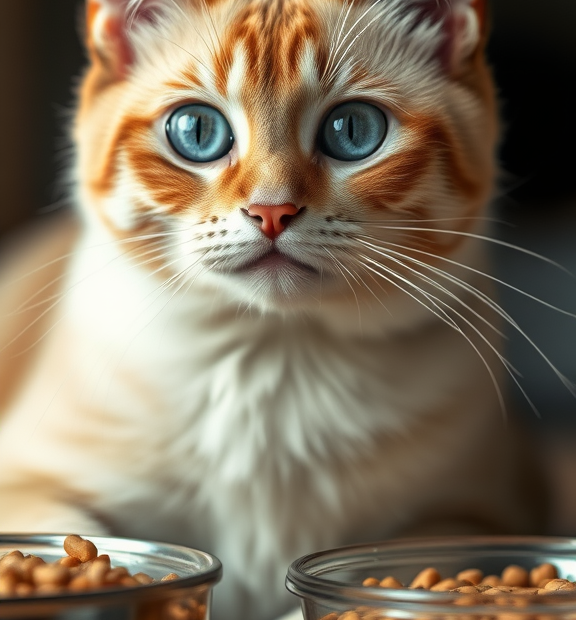
Effective Strategies to Prevent Overfeeding in Floppy, Blue-Eyed Cats
Understanding the Unique Feeding Needs of Floppy, Blue-Eyed Cats
Floppy, blue-eyed cats captivate many with their charming appearance and affectionate nature. These cats, often belonging to specific breeds, sometimes exhibit unique physical traits that can influence their eating habits and metabolism. One common concern among cat owners is overfeeding, which can lead to obesity and related health problems. Understanding how to prevent overfeeding is key to ensuring your floppy, blue-eyed feline stays healthy and happy.
Unlike some other cats, floppy, blue-eyed cats may have distinctive metabolic rates or activity levels that require tailored feeding strategies. Overfeeding happens when you give more calories than they burn, so a careful approach to their diet is essential. Avoiding overfeeding helps maintain their ideal weight, supports joint health, and prevents diseases like diabetes.
Recognizing Signs of Overfeeding in Your Cat
It’s important to spot early signs that your cat might be getting more food than necessary. These signs include:
- Noticeable weight gain over a short period
- Lethargy or reduced playfulness
- Excessive begging or vocalizing for food
- Loose, unformed stools or digestive discomfort
By paying attention to these signals, you can adjust feeding portions promptly to ensure your cat maintains their health.
Measuring and Managing Portion Sizes
One of the most effective ways to prevent overfeeding is to measure your cat’s meals accurately. Use a standard measuring cup or a digital kitchen scale to provide precise portions based on your cat’s weight, age, and activity level. Most pet food brands recommend daily feeding amounts on the packaging, but these should serve as guidelines rather than strict rules.
To get the best portion size, consult your veterinarian for personalized advice. Consider dividing the total daily food allowance into two or three smaller meals. Smaller, more frequent meals reduce the risk of overeating by preventing long periods of hunger that might trigger overeating at the next meal.
Choosing the Right Type of Food
Not all cat foods are created equal, and feeding your floppy, blue-eyed cat a balanced and nutrient-rich diet is essential. Look for high-quality cat foods with proper protein levels that support muscle maintenance while avoiding excessive fats and carbohydrates that contribute to weight gain.
Wet food can sometimes help control calorie intake because it tends to be less calorie-dense and more filling due to its higher moisture content. Many cats enjoy wet food as a treat or primary diet, which can slow down their eating pace and reduce the risk of overfeeding.
Establishing a Consistent Feeding Schedule
Cats thrive on routine, and setting regular feeding times can prevent unnecessary food begging and unintentional overfeeding. Avoid free-feeding, where food is left out all day, as this often leads cats to snack excessively. Instead, offer meals at consistent times daily — this trains your cat to expect food at those intervals and can help curb overeating tendencies.
Using Feeding Tools to Control Food Intake
Several smart tools exist that can help you manage your cat’s food intake effectively:
- Portion-Control Bowls: Bowls designed with compartments or preset measurements can limit how much food your cat can access at once.
- Interactive Feeders: Puzzle feeders encourage cats to work for their food, slowing down their eating pace and preventing gulping.
- Automatic Feeders: Timed feeders ensure your cat receives exact portions at scheduled times, alleviating the worry about unintentional free feeding.
Encouraging Physical Activity
A cat’s energy balance is affected not only by food intake but also by how much exercise they get. Active cats are less likely to gain excess weight, even if their portions are slightly higher. Ensure your floppy, blue-eyed feline gets daily playtime using toys, laser pointers, or interactive games to promote movement and burn calories.
Play sessions before feeding time can be beneficial. This way, your cat’s hunger aligns with physical activity, helping maintain a healthy appetite without overeating.
Monitoring Your Cat’s Weight Regularly
Tracking your cat’s weight helps you stay ahead of potential overfeeding issues. Weigh your cat weekly or bi-weekly using a household scale. If you notice gradual weight gain, it’s time to reduce portion sizes or increase activity. Consistent monitoring also lets you assess how effective your feeding strategies are and adjust accordingly.
Consulting Your Veterinarian
If you find it difficult to manage your floppy, blue-eyed cat’s feeding habits, don’t hesitate to seek expert advice. A veterinarian can provide nutrition plans tailored to your cat’s specific needs, addressing any underlying health issues that might affect appetite or metabolism.
Understanding the Unique Dietary Needs of Floppy, Blue-Eyed Cats and How to Manage Them
Recognizing the Distinct Traits of Floppy, Blue-Eyed Cats
Floppy, blue-eyed cats often captivate with their striking appearance and unique physical traits. These cats may have genetic links to specific breeds or conditions that influence their body structure and temperament. Their floppy ears or limbs can sometimes signify an underlying health concern or a rare breed characteristic. Similarly, their blue eyes, while gorgeous, might be tied to genetic factors such as albinism or specific patterns like those found in Siamese or other point breeds.
Because of these distinctive features, their dietary needs can also differ from more typical cats. Understanding these needs is essential for any owner to ensure the cat’s health and well-being. Without proper nutrition management, these cats may face health problems, including digestive issues, obesity, or nutrient deficiencies.
How Physical and Genetic Factors Influence Nutrition
Cat breeds or individuals with floppy traits often have different metabolic rates and sensitivities to certain nutrients. Their floppy physicality can sometimes indicate muscle weakness or joint issues that require a special diet to support muscle maintenance and bone health. Additionally, blue-eyed cats are frequently more sensitive to sunlight due to less pigmentation, which can make them prone to skin conditions. Though this does not directly affect diet, it emphasizes the importance of antioxidants and vitamins that help maintain skin health.
Genetic makeup plays a crucial role as well. Some floppy, blue-eyed cats are related to breeds that tend to be prone to weight gain or specific metabolic disorders. For instance, if your cat has a slow metabolism or a lower energy requirement because of its body structure, overfeeding can easily lead to obesity, which increases the risk of diabetes, arthritis, and other health complications.
Crafting the Perfect Feeding Strategy
Creating a feeding plan that suits the unique needs of floppy, blue-eyed cats requires attentiveness and care. Here are key strategies to manage their dietary needs effectively:
- Assess the cat’s activity level: Lower activity often means fewer calories are required. Adjust portion sizes to match daily energy expenditure.
- Choose nutrient-dense food: Opt for high-quality protein sources that support muscle health, along with essential fatty acids that contribute to skin and coat strength.
- Include joint-support supplements: Ingredients such as glucosamine and chondroitin can be beneficial where floppy limbs or weak muscles exist.
- Monitor weight regularly: Keep track of your cat’s weight every few weeks to catch any gradual weight gain and adjust meals accordingly.
- Incorporate wet food in the diet: Wet food adds hydration and can help with portion control, as cats often feel fuller with moist food.
Signs That Indicate Overfeeding and How to Avoid It
Because these cats may not show strong activity levels, overfeeding can easily lead to undesired weight gain. Here’s what to watch out for:
- Visible weight increase: Notice if your cat’s body starts losing definition or becomes more rounded.
- Decreased mobility: Reduced movement due to excessive weight can worsen floppy conditions.
- Excessive begging behaviors: This can be mistaken for hunger but is often boredom or habit.
To prevent overfeeding, stick to measured portions, avoid free-feeding habits, and use puzzle feeders or timed feeding to slow the eating pace. Also, limit treats to healthy, low-calorie options and reserve them for rewards or training rather than daily indulgence.
Why Water and Hydration Matter in Diet Management
Hydration is crucial for every cat but especially for those with floppy or sensitive health traits. Blue-eyed cats, in particular, may require extra care to avoid sun damage and related skin issues, and sufficient water intake supports clear skin and proper organ function.
Providing fresh, clean water daily is a must. Wet food can greatly aid hydration, reducing the risk of urinary and kidney problems. Encouraging your cat to drink can be done with water fountains or flavored water made safe for pets.
Consulting Veterinarians and Nutrition Experts
Given the nuances of these cats’ needs, professional guidance can be invaluable. Veterinarians or animal nutritionists can conduct health checks and recommend diets tailored specifically for your floppy, blue-eyed cat. If your cat exhibits any worrying symptoms such as lethargy, sudden weight changes, or floppy limb mobility issues, seek veterinary advice immediately to adjust dietary plans suitably.
Remember, every cat is unique. What works for one might not be ideal for another. Observation, consistent care, and timely interventions make all the difference in managing the unique dietary needs of these lovely cats.
Conclusion
Preventing overfeeding in floppy, blue-eyed cats requires a thoughtful approach that respects their unique dietary needs and tendencies. By adopting effective strategies such as measuring portions carefully, establishing regular feeding schedules, and choosing nutrient-rich foods tailored to their specific health profile, you can help maintain your cat’s ideal weight and overall well-being. Understanding these cats’ special care requirements, including their potential sensitivities and activity levels, allows you to make informed decisions that support their health.
When you focus on mindful feeding practices, you reduce the risk of obesity and related health problems, which are common concerns for floppy, blue-eyed cats. Regular monitoring and adjusting food intake based on your cat’s age, activity, and health status ensure they receive the right balance of nutrients without excess calories. These small but consistent actions create a positive impact on their long-term quality of life.
Ultimately, caring for a floppy, blue-eyed cat means combining knowledge with compassion. When you tailor their diet to their unique needs and resist the urge to overfeed, you promote vitality and happiness for your feline friend. By implementing proper feeding techniques and staying attentive to your cat’s changing needs, you provide a strong foundation for health that can prevent many common issues connected to overfeeding. Your commitment to these strategies will help your floppy, blue-eyed cat thrive for years to come.