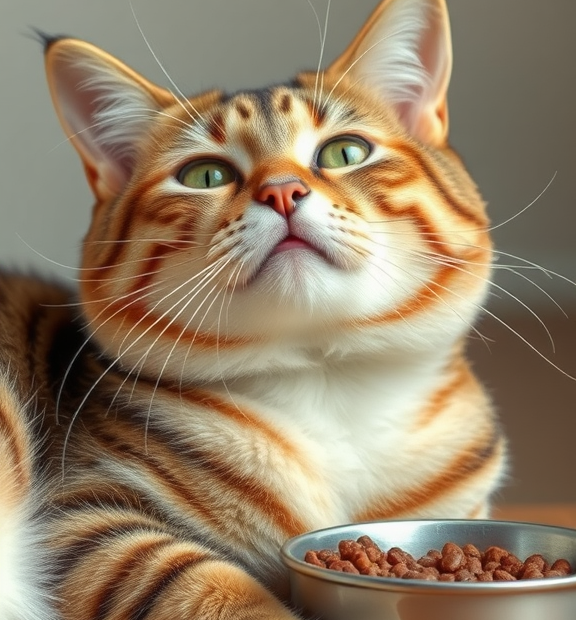
Understanding Why Floppy, Docile Cats Might Skip Meals
Floppy, docile cats are known for their gentle and relaxed personalities, often melting into your lap like soft cushions. However, their calm nature can sometimes mask subtle health or behavioral changes, including skipping meals. If you notice your easygoing feline friend turning away from food, it’s important to understand the possible reasons behind this behavior and how to support your pet effectively.
Why Might Floppy, Docile Cats Skip Meals?
Cats, especially those with a laid-back disposition, might skip meals for various reasons that range from physical health issues to emotional and environmental factors. Understanding these can help you pinpoint the cause and take appropriate action.
1. Health-Related Causes
Even docile cats are not immune to medical problems that affect appetite. Here are some common health issues that might make a cat refuse food:
- Dental Problems: Painful teeth or gums can discourage a cat from eating. Floppy cats may hide discomfort well, so watch for drooling or pawing at the mouth.
- Gastrointestinal Upset: Issues like nausea, constipation, or stomach infections can lead to appetite loss.
- Chronic Illnesses: Conditions such as kidney disease, diabetes, or thyroid disorders can reduce appetite over time.
- Infections: Respiratory infections or other illnesses often cause lethargy and lack of interest in food.
- Pain or Injury: Even subtle injuries can make a cat less inclined to eat due to discomfort.
2. Emotional and Environmental Factors
Floppy and docile cats are often very sensitive to changes in their surroundings. These gentle cats may skip meals due to:
- Stress and Anxiety: Changes like moving to a new home, new people or pets, or loud noises can upset a calm cat.
- Boredom or Lack of Stimulation: Without enough play or engagement, a cat might become indifferent to mealtime.
- Food Aversion: Cats may avoid food that has changed in taste, smell, or texture, especially if they’ve recently had an upset stomach.
- Routine Disruption: Floppy cats often prefer consistency. Feeding times or food locations shifting might affect their willingness to eat.
Signs to Watch For When Your Cat Skips Meals
Since floppy, docile cats tend to be quiet and calm, missing meals might be one of the first signs something is wrong. Other signals to observe include:
- Decreased activity or prolonged hiding
- Weight loss or changes in body condition
- Excessive drooling or pawing at the mouth
- Vomiting or diarrhea
- Changes in grooming habits
- Increased vocalization or signs of distress
How to Help a Floppy, Docile Cat That Skips Meals
1. Create a Comfortable Feeding Environment
Your floppy cat thrives on calm and comfort, so ensure their feeding area is quiet, warm, and free of distractions like loud noises or busy foot traffic. Use shallow dishes if your cat has trouble eating or prefers to approach food gently.
2. Offer Palatable, High-Quality Food
Choose high-quality, nutritious food that appeals to your cat’s senses. Warming the food slightly can enhance its aroma, making it more enticing. Experiment with flavors and textures to find what your cat prefers. Wet food is often easier to eat and more appealing than dry kibble.
3. Maintain a Consistent Feeding Schedule
Floppy, docile cats appreciate routine. Try to feed your cat at the same times every day and keep the feeding area consistent. This helps build a sense of security around mealtime.
4. Monitor Health Closely
If your cat skips more than one meal or shows other symptoms, consult your veterinarian promptly. Early intervention can prevent serious health issues. Routine check-ups help catch subtle problems that a docile cat might conceal.
5. Reduce Stress and Increase Engagement
Spend time playing and interacting gently with your cat to reduce anxiety and boredom. Toys, scratching posts, and quiet attention can help your cat feel relaxed and more interested in eating.
When to Seek Veterinary Help
Skipping a meal occasionally is not always alarming, especially for a peaceful cat who might simply be less hungry. However, persistent refusal to eat—usually after 24 hours—requires veterinary attention. If your floppy cat shows signs of lethargy, vomiting, diarrhea, or weight loss, don’t wait to get professional advice.
Because floppy, docile cats often hide pain or illness, any noticeable change in feeding habits should be taken seriously. Early diagnosis and treatment improve outcomes and help your relaxed companion return to their normal, contented self quickly.
Understanding the delicate balance behind why floppy, docile cats might skip meals allows you to support their health and happiness in a meaningful way. A calm environment, attentive care, and prompt veterinary guidance are the keys to helping these gentle pets thrive despite their quiet struggles.
Practical Ways to Encourage Floppy, Docile Cats to Eat Regularly
Understanding the Eating Habits of Floppy, Docile Cats
Floppy, docile cats often exhibit gentle and calm behavior, which sometimes extends to their eating habits. These cats may skip meals or eat less frequently due to their laid-back nature, stress sensitivity, or underlying health issues. As a cat owner, you might wonder why your furry friend avoids regular eating routines and how to encourage better feeding habits.
Understanding why these cats might skip meals is the first step in helping them. These gentle felines can be more prone to stress when their environment changes or if they feel unsettled. This stress can cause a loss of appetite which affects their overall health. Additionally, their low activity levels might influence their hunger cues, making them eat less or irregularly.
Recognizing Signs That Your Cat Is Skipping Meals
You might notice signs of meal skipping beginning with your floppy cat showing less interest in food, pawing at their bowl uneaten, or simply walking away when offered a meal. Weight loss, lethargy, and changes in behavior should alert you to the importance of encouraging a better eating routine. Early recognition and intervention can prevent more serious health issues related to malnutrition or dehydration.
Creating a Calm Eating Environment
One practical way to encourage floppy, docile cats to eat regularly is by creating a calm, stress-free eating space. These cats thrive in quiet environments where they feel safe. Avoid loud noises or sudden movements during mealtime. Place feeding bowls in a comfortable, low-traffic area where your cat can eat undisturbed.
Offering Appealing, Nutritious Food Options
Choose high-quality, palatable foods that appeal to your cat’s preferences. Floppy cats are often more sensitive to taste and texture, so mixing wet and dry food or warming the food slightly to enhance aroma can boost their interest. Homemade meals, recommended by your vet, can also add variety and entice your cat to eat more consistently.
Tips for Food Presentation & Options
- Serve food at room temperature to improve aroma and taste
- Try different flavors and textures to find what your cat prefers
- Use shallow bowls to accommodate floppy cats who may have slower eating habits
- Offer smaller, more frequent meals instead of large portions
Encouraging Routine and Consistency
Cats benefit greatly from predictability. Establish a feeding schedule with set times every day to condition your cat’s internal hunger cues. Floppy, docile cats can be more responsive to routine, and eating at the same times daily can encourage them to anticipate meals and reduce food refusal.
Additionally, monitor and gradually adjust feeding times or meal sizes if needed, ensuring your cat doesn’t feel rushed or pressured during mealtime. Patience and gentle encouragement will help build a positive association with eating.
Engaging Play and Exercise Before Meals
Though floppy cats tend to have lower activity levels, gentle play and light exercise before mealtime can help stimulate their appetite. Engaging your cat in interactive toys, feather wands, or slow, gentle movements mimicking hunting can awaken their natural instincts and increase hunger. Even a short session of play can make a noticeable difference in their readiness to eat.
Consulting Your Veterinarian for Underlying Issues
If your floppy, docile cat continues to skip meals despite your efforts, it’s crucial to consult a veterinarian. Loss of appetite might signal health problems such as dental pain, digestive issues, or infections. Your vet can perform a thorough examination, recommend diagnostic tests, or suggest appetite stimulants if necessary. Early medical intervention ensures your cat stays healthy and avoids complications from nutritional deficiencies.
Using Positive Reinforcement and Patience
Reward your cat’s eating efforts with gentle praise or petting to create a positive experience during their mealtime. Avoid forcing food or punishing refusals, as this increases stress and can reinforce negative behavior around eating. Instead, be patient and allow your cat to eat in their own time, offering encouragement without pressure.
Summary of Practical Tips
- Create a quiet, comfortable feeding area
- Offer a mix of flavors and textures tailored to your cat’s preferences
- Establish and maintain a consistent feeding schedule
- Engage your cat in light play before meals to stimulate appetite
- Consult a veterinarian if food refusal persists
- Use gentle encouragement and positive reinforcement
Helping floppy, docile cats eat regularly requires a thoughtful approach that combines environmental comfort, appealing food choices, consistency, and attentive care. With patience and attention to these details, you can support your cat in maintaining a healthy, happy eating routine.
Conclusion
Floppy, docile cats skipping meals can be puzzling and concerning for any cat owner. Often, this behavior stems from a combination of physical discomfort, subtle health issues, or emotional stress. Understanding why your gentle feline friend might refuse food is the first step toward helping them maintain a healthy eating routine. Factors like dental pain, digestive upset, or even changes in their environment can play a big role in their appetite.
To support your floppy, docile cat’s eating habits, adopting gentle and practical strategies makes a significant difference. Offering small, frequent meals of their favorite wet food or warming their food slightly can entice their appetite. Creating a calm and quiet feeding space helps reduce stress that might be causing meal skipping. Paying close attention to their body language and consulting a vet when appetite loss persists ensures that any underlying health issues are addressed promptly.
By combining understanding with simple actions, you can help your docile feline friend enjoy their meals regularly, promoting their overall well-being. This attentive approach not only improves their nutrition but also strengthens the bond between you and your cat, ensuring they feel safe, loved, and cared for during mealtime.