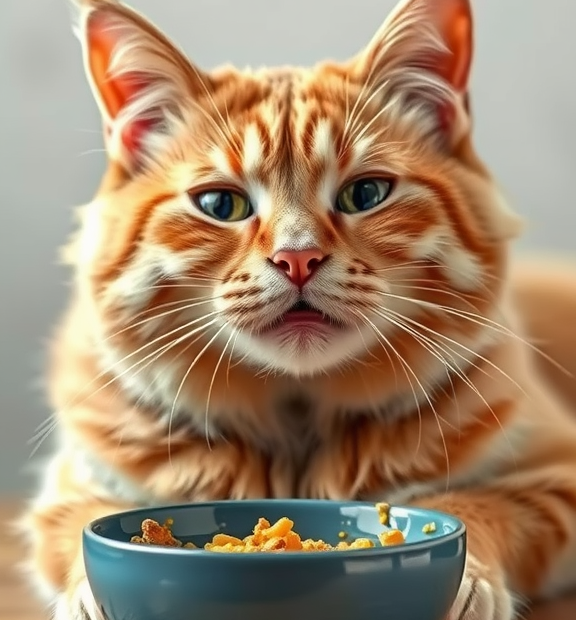
Effective Strategies to Improve Your Floppy, Docile Cat’s Eating Habits
Understanding Your Cat’s Floppy and Docile Nature
Cats that display floppy, docile behavior often appear relaxed and calm but may also exhibit low energy during mealtimes. This behavior can affect their eating habits, leading to skipped meals, slow eating, or picky eating. Before diving into strategies to enhance their appetite, it’s important to understand that these cats may be naturally laid-back or might be experiencing subtle health issues. Recognizing these factors allows you to tailor your approach effectively and gently encourage better eating habits.
Creating a Calm and Comfortable Feeding Environment
A floppy, docile cat can be sensitive to distractions and stress during feeding times. Creating a quiet, safe feeding area can improve their willingness to eat. Place your cat’s food bowl in a low-traffic, peaceful spot where they feel secure. Avoid areas near loud noises, other pets, or high human activity to prevent stress that could suppress their appetite.
Additionally, ensure the feeding area is clean and free from strong odors that might deter your cat. Cats rely heavily on their sense of smell to evaluate food safety; lingering scents from cleaners or other pets can interfere with this process.
Enhancing Food Appeal with Texture and Flavor Variety
Many docile cats enjoy food with mild flavors and soft textures. Experimenting with different types of cat food, such as wet food, pate, or minced options, can help discover what your cat prefers. Sometimes adding a small amount of warm water or low-sodium broth to dry kibble softens it and enhances the aroma, making it more enticing.
You can also rotate protein sources, including chicken, fish, or turkey, to introduce variety while respecting your cat’s dietary needs. Changing flavors and textures periodically keeps meals interesting and can stimulate appetite in cats that have become bored with their current food.
Establishing a Regular Feeding Schedule
Consistency helps floppy, docile cats anticipate mealtime and develop a proper routine. Feeding your cat at the same times each day signals a sense of security and predictability, which can positively influence their eating behavior. Avoid free-feeding or leaving food out all day, as it may reduce meal interest and promote sluggish eating patterns.
Instead, offer measured portions during scheduled times and remove any leftovers after 20–30 minutes. This approach encourages your cat to eat during mealtime and can increase their motivation over time.
Using Positive Reinforcement and Gentle Encouragement
Floppy, docile cats respond well to gentle encouragement rather than pressure. You can reinforce eating habits by offering praise, soft petting, or even a gentle play session before mealtime to stimulate their appetite naturally. Play increases activity levels and can help awaken their interest in food.
Avoid forcing or coaxing aggressively, as this may stress your cat and further inhibit eating. Instead, be patient and consistent, using a calm tone and positive interactions to build trust and comfort around food.
Wet Food and Nutrient-Dense Treats
Wet cat food is generally more appealing due to its strong aroma and softer texture, which sometimes suits docile cats better than dry kibble. Offering small meals or snacks of wet food can entice your cat to eat more frequently without overwhelming them.
Nutrient-dense treats, such as those containing taurine and other essential vitamins, can also help boost nutrition in cats with low appetites. However, keep treats in moderation to prevent overweight issues and maintain interest in regular meals.
Monitoring Health and Seeking Veterinary Advice
Changes in eating habits, especially in floppy and quiet cats, could sometimes indicate underlying health problems like dental issues, digestive discomfort, or systemic diseases. Keep a close eye on your cat’s appetite, weight, and behavior. If you notice consistent reluctance to eat or other symptoms like vomiting, lethargy, or excessive drooling, consult a veterinarian promptly.
Your vet may suggest appetite stimulants, special diets, or treatments to address any identified health concerns. Early intervention can prevent more serious problems and support your cat’s overall well-being.
Additional Tips to Encourage Healthy Eating
- Warm the food slightly: Heating wet food to body temperature enhances aroma and makes it more appealing.
- Use shallow dishes: Some cats prefer eating from dishes that don’t touch their whiskers, reducing discomfort during feeding.
- Feed smaller, frequent meals: Offering smaller portions multiple times a day can be less overwhelming and increase intake.
- Keep water accessible: Hydration supports digestion and overall health, so fresh water should always be available.
- Observe preferences: Take note if your cat prefers eating alone or with company, and adjust accordingly.
Helping your floppy, docile cat improve their eating habits requires patience, empathy, and careful observation. By creating a peaceful feeding environment, offering food that appeals to their senses, sticking to a routine, and watching for health issues, you can guide your feline friend toward better nutrition and vitality. Remember, every cat is unique, so tailor your approach to what comforts and motivates your specific companion.
Understanding the Behavioral and Health Factors Behind a Cat’s Lack of Appetite
Why Cats May Lose Interest in Food
When your usually lively cat becomes floppy and shows little interest in eating, it can be deeply concerning. Lack of appetite in cats is often a sign that something is affecting their behavior or health. Understanding the factors behind a cat’s diminished desire to eat is essential to restoring their well-being and preventing serious health issues.
Behavioral Factors Affecting Appetite
Cats can lose their appetite not only because of physical health problems but also due to various behavioral causes. These factors can impact their eating habits subtly or noticeably over time.
Stress and Anxiety
Just like humans, cats experience stress and anxiety that can disrupt their usual behavior, including eating patterns. Changes in their environment, such as moving to a new home, the introduction of new pets, or loud noises, can lead to anxiety. When stressed, cats may become docile and uninterested in food.
Changes in Routine
Cats thrive on consistency. A sudden change in feeding times, new types of food, or altered interaction routines can make them hesitant or unwilling to eat. They associate comfort and security with knowing what to expect, so disruptions can reduce their appetite.
Depression
Depression in cats is less talked about but can significantly affect their eating habits. Loss of a companion animal, changes in owner attention, or chronic boredom may cause a cat to become lethargic and avoid food.
Common Health Issues That Decrease Appetite
Behavioral causes often intertwine with physical health problems, which may be the root cause of your cat’s sluggishness and poor eating habits.
Dental Problems
Cats with dental pain due to gingivitis, tooth decay, or abscesses often avoid eating because it causes discomfort. Look for signs such as drooling, pawing at the mouth, or bad breath, which may indicate oral health issues making feeding painful.
Digestive Disorders
Gastrointestinal issues like inflammation, constipation, or infections can reduce a cat’s appetite. If a cat shows vomiting, diarrhea, or abdominal discomfort along with lack of appetite, a vet visit is crucial to diagnose problems accurately.
Chronic Diseases
Conditions such as kidney disease, liver problems, diabetes, or hyperthyroidism can significantly alter metabolism and hunger signals. These illnesses often cause a floppy demeanor, lethargy, and reduced food intake, requiring medical intervention.
Pain and Discomfort
Any source of pain, whether due to arthritis, injury, or internal issues, can lead to a cat becoming docile and uninterested in eating. Pain diverts energy away from regular activities, including feeding, which can quickly contribute to health decline.
Environmental and Nutritional Influences
Sometimes, the environment or food itself may contribute to your cat’s poor eating habits.
Food Preferences and Palatability
Cats are known for their picky eating habits. If the food you offer does not meet their taste or texture preferences, they might refuse to eat. Rotating food types or brands too often can confuse or deter some cats.
Feeding Location and Bowl Type
The place where a cat eats and the type of bowl used can impact their comfort level while feeding. Cats may avoid their food if the area is noisy, too busy, or they feel unsafe. Some prefer shallow dishes to avoid whisker stress.
Temperature of Food
Many cats prefer their food at room temperature or slightly warmed. Cold or stale food might turn them away, contributing to reduced appetite and increased lethargy.
What to Watch For and When to Act
It’s important to monitor your floppy, docile cat carefully. If lack of appetite lasts more than 24 to 48 hours or is accompanied by weight loss, vomiting, diarrhea, or noticeable behavioral changes, consult a veterinarian promptly. Early identification of both behavioral and health factors significantly improves treatment outcomes and your cat’s return to normal eating habits.
How Understanding These Factors Helps
By recognizing the signs and causes behind a cat’s decreased appetite, you can tailor your approach to care more effectively. Whether it involves adjusting the environment, managing stress, addressing dental care, or seeking medical help, knowing the root cause is key to improving your cat’s health and helping them regain their appetite and energy.
Conclusion
Helping your floppy, docile cat improve their eating habits takes patience, observation, and care. By understanding the behavioral and health factors that influence your cat’s appetite, you can better address the root causes behind their reluctance to eat. Sometimes, a lack of interest in food is tied to underlying health issues, stress, or changes in environment—all of which require your attention and possibly a vet’s expertise.
Implementing effective strategies like offering small, frequent meals, introducing enticing smells and flavors, and creating a calm feeding space can make a big difference. Remember, your cat responds to gentle encouragement and a consistent routine, so avoid forcing food but instead foster positive mealtime experiences. Checking the quality and temperature of the food, and experimenting with different textures, can also help spark your cat’s appetite.
Your floppy, docile cat depends on your care to regain healthy eating habits. By combining empathy with practical approaches, you can encourage better nutrition and improve their overall wellbeing. With time, attention, and a little creativity, feeding your gentle feline companion can become a much smoother, more enjoyable part of your daily routine.