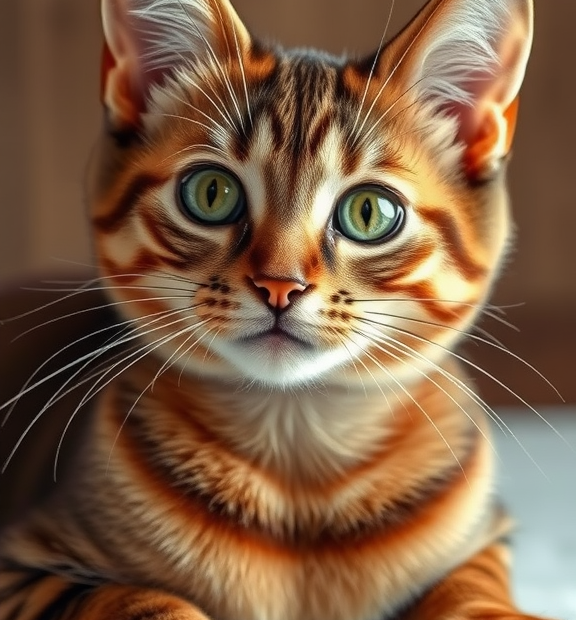
Essential Healthy Eating Tips for Active Abyssinian Cats
Meeting the Nutritional Needs of Your Active Abyssinian Cat
The Abyssinian cat is known for its high energy, playful nature, and sleek, muscular build. These cats require a diet that supports their active lifestyle and helps maintain optimal health. Providing balanced nutrition tailored to their specific needs promotes longevity, vibrant coat condition, and strong muscles. When feeding your Abyssinian, understanding its unique dietary requirements is key to keeping it energetic and healthy.
Balance Protein and Fat for Maximum Energy
Protein is a vital component in the diet of any active cat, especially for Abyssinians. These cats thrive on a protein-rich diet that supports their muscular physique and active nature. When selecting cat food, aim for options that list high-quality animal protein sources like chicken, turkey, or fish as the main ingredient. Alongside protein, fats supply concentrated energy and help absorb fat-soluble vitamins necessary for overall health.
Look for foods with moderate fat content sourced from natural ingredients such as fish oil or chicken fat. These healthy fats help maintain a glossy coat, support brain function, and fuel the high activity levels typical of Abyssinians. Avoid foods with excessive fillers or carbohydrate content, as these can lead to unwanted weight gain and reduced vitality.
Incorporate Moisture-Rich Foods for Hydration
Cats, by nature, have low thirst drives, making hydration a concern especially for active Abyssinians. Including wet food in your cat’s diet helps boost water intake and supports kidney health. Wet or canned food often contains 70-80% moisture, which helps prevent dehydration and related urinary tract issues common in felines.
Offering a combination of wet and dry foods can balance convenience with hydration benefits. If relying mostly on dry kibble, ensure fresh water is always available and encourage fluid intake by adding water or broth to meals. This simple adjustment helps maintain hydration without sacrificing the Abyssinian’s energy needs.
Essential Vitamins and Minerals for Optimal Health
Active Abyssinians require a variety of vitamins and minerals to support their dynamic lifestyle, from immune system health to strong bones and shiny coats. Important nutrients to watch for include:
- Taurine: An essential amino acid critical for heart function and eye health.
- Omega-3 and Omega-6 Fatty Acids: Improve skin health, reduce inflammation, and keep coats soft.
- Calcium and Phosphorus: Vital for bone strength and repair.
- Vitamin E and C: Antioxidants that promote immune health and reduce oxidative stress.
Most high-quality commercial cat foods are formulated to include these essentials. However, if preparing homemade meals, consult a veterinarian to ensure your Abyssinian’s diet remains balanced and complete.
Portion Control and Feeding Schedule for Weight Management
Because Abyssinians are so active, they tend to have lean body mass and higher calorie requirements. However, overeating can easily lead to obesity, which negatively impacts their health and agility. Controlling portions and establishing a consistent feeding schedule helps maintain a healthy weight without restricting your cat’s energy supply.
Feed your Abyssinian smaller, frequent meals throughout the day. This approach mimics their natural hunting and eating behavior, keeps metabolism steady, and reduces begging or overeating. Monitor your cat’s weight regularly and adjust food portions accordingly to keep your Abyssinian fit and lively.
Avoid Harmful Ingredients and Treats
Some ingredients and human foods can be toxic or disruptive to your Abyssinian’s digestion and overall health. Avoid artificial additives, preservatives, excess salt, and flavor enhancers often found in cheaper cat foods or snacks. Also, steer clear of feeding your cat chocolate, onions, garlic, grapes, and excessive dairy, which can cause serious health issues.
Use treats sparingly, and select those made specifically for cats with natural ingredients. Healthy treats can be a good way to reward your Abyssinian without upsetting its balanced diet.
Keep an Eye on Activity Levels and Adjust Diet as Needed
The Abyssinian’s diet should always align with its activity and life stage. Younger kittens and super-active adults require more calories and nutrients, while older cats may need fewer calories but more joint-supporting supplements. Pay attention to how your Abyssinian’s energy, coat, and weight respond to its current diet and make gradual changes to optimize health.
Regular veterinary checkups can help detect any nutritional deficiencies or health issues early, allowing you to tailor your Abyssinian’s food choices to its evolving needs.
In Summary
Feeding an active Abyssinian cat involves understanding its high energy demands and providing nutrient-rich, well-balanced meals. Prioritize quality animal protein and healthy fats, hydrate effectively with moisture-rich foods, and oversee portions to maintain a lean physique. By selecting foods with essential vitamins and avoiding harmful ingredients, you can support your Abyssinian’s playful lifestyle and overall well-being. Creating a thoughtful, consistent feeding routine tailored to your cat’s activity ensures that it remains happy, healthy, and full of energy for many years to come.
Understanding the Nutritional Needs of High-Energy Cat Breeds
What Makes High-Energy Cats Unique in Their Dietary Needs?
Active cat breeds, such as Abyssinians, Bengals, and Siamese, are known for their vibrant energy levels and playful personalities. These cats often require diets that differ significantly from more sedentary felines. Their high activity levels mean they burn through calories faster and need precise nutrients to maintain their health, agility, and lean muscle mass.
Understanding these nutritional nuances helps you support your cat’s overall well-being, from keeping their coat shiny to ensuring their stamina lasts through even the most energetic play sessions.
Key Components of a Diet Tailored for Energetic Cats
Your cat’s metabolism is naturally faster when they are more active. This means they need more fuel, but not just any food will do. The diet should focus on a combination of protein, fats, and other essential nutrients.
- High-Quality Protein: Active cats rely heavily on protein for muscle repair and energy. Look for foods with real meat listed as the first ingredient, such as chicken, turkey, or fish. Protein helps maintain muscle mass and supports overall strength.
- Healthy Fats: Fats are another vital energy source, especially for breeds that display bursts of intense activity. Omega-3 and Omega-6 fatty acids not only provide energy but also promote a healthy coat and skin.
- Balanced Carbohydrates: While cats are obligate carnivores and don’t require carbs as a major energy source, small amounts of easily digestible carbs can support sustained energy release without causing blood sugar spikes.
- Essential Vitamins and Minerals: Vitamins like A, D, E, and B-complex, alongside minerals such as calcium and phosphorus, are critical for bone health, immune function, and overall vitality.
Adjusting Meals to Match Energy Expenditure
An active Abyssinian cat’s dietary requirements vary not just by breed but also by factors such as age, size, and daily activity. A young, playful cat will need more calories per pound of body weight than an older or less active feline.
To ensure you’re meeting their ideal energy balance, watch for signs like steady weight, a shiny coat, and consistent energy levels. Overfeeding can lead to obesity, while underfeeding results in lethargy and muscle loss.
Practical Tips for Feeding High-Energy Cats
- Choose Specialized Cat Food: Opt for brands or formulas known for higher protein and fat content that cater to active or athletic cats.
- Meal Frequency Matters: Instead of one or two large meals, offer smaller, more frequent servings. This helps sustain energy throughout the day and prevents overeating.
- Hydration Is Key: Active cats often sweat through paws and can become dehydrated. Wet food or fresh water availability is essential to keep them well-hydrated.
- Incorporate Interactive Feeding: Use puzzle feeders or toys that encourage hunting behaviors. This not only stimulates their mind but also moderates calorie intake.
The Role of Supplements and Treats
Sometimes, busy pet owners wonder if supplements are necessary for their high-energy cats. In most cases, a well-balanced diet is enough. However, specific situations may call for additional nutrients.
- Omega Fatty Acids Supplements: If you notice a dull coat or dry skin, these can support skin health and reduce inflammation.
- Joint Support: Active cats who jump frequently might benefit from glucosamine and chondroitin supplements.
- Protein Treats: Use high-protein treats sparingly to avoid disrupting meal balance but provide an energy boost during or after play sessions.
Common Mistakes to Avoid with High-Energy Cat Diets
Even well-meaning pet owners sometimes make mistakes when feeding their active cats. Here are some pitfalls to watch out for:
- Relying on Generic Cat Food: Standard diets may lack sufficient protein or fat needed for energetic breeds.
- Ignoring Weight Changes: Rapid weight gain or loss can signal dietary imbalances that need veterinary attention.
- Feeding Human Foods: Avoid giving your cat leftovers that contain harmful ingredients like onions, garlic, or excess salt.
- Neglecting Hydration: Failing to provide enough water can affect digestion and energy metabolism.
Monitoring and Adjusting Your Cat’s Diet Over Time
Active cats’ needs evolve as they age or their activity patterns change. Regular veterinary check-ups give you a clear insight into how well your cat’s diet is supporting their lifestyle. Monitor their weight, coat condition, and energy level as key indicators.
Adjust portions or switch formulas if your cat becomes less active or hits new life milestones like senior years. This proactive approach keeps your feline companion healthy and thriving long-term.
Supporting Your Cat’s Energy Through Balanced Nutrition
Selecting an appropriate diet that provides ample protein and healthy fats, feeding multiple times daily, ensuring hydration, and avoiding common feeding errors form the foundation of healthy eating for active Abyssinian and other high-energy cats. By understanding and meeting their unique nutritional requirements, you can keep your lively feline friend energetic, happy, and healthy.
Conclusion
Caring for an active Abyssinian cat means paying close attention to their unique dietary needs. These energetic felines require a balanced diet rich in high-quality proteins, essential fats, and carefully chosen nutrients to fuel their playful and curious nature. Providing the right foods not only supports their energy levels but also helps maintain lean muscle, healthy skin, and a shiny coat.
Understanding the nutritional requirements of high-energy cat breeds like the Abyssinian is key. Their metabolism is faster, and they burn calories quicker than more sedentary cats, so feeding them nutrient-dense meals tailored to their activity helps prevent weight-related problems and keeps them in peak condition. A mix of wet and dry foods, catered to their taste and dietary needs, ensures proper hydration and digestion.
By focusing on these healthy eating tips, you can offer your Abyssinian the balanced nutrition they need to thrive. Regularly assessing their diet, watching for changes in weight or appetite, and consulting with your vet will help you make the best choices. Supporting your cat’s active lifestyle with the right nutrition fosters not only their health but also their happiness, allowing you to enjoy many lively years together. Prioritize their dietary needs today and watch your lively Abyssinian flourish with every meal.