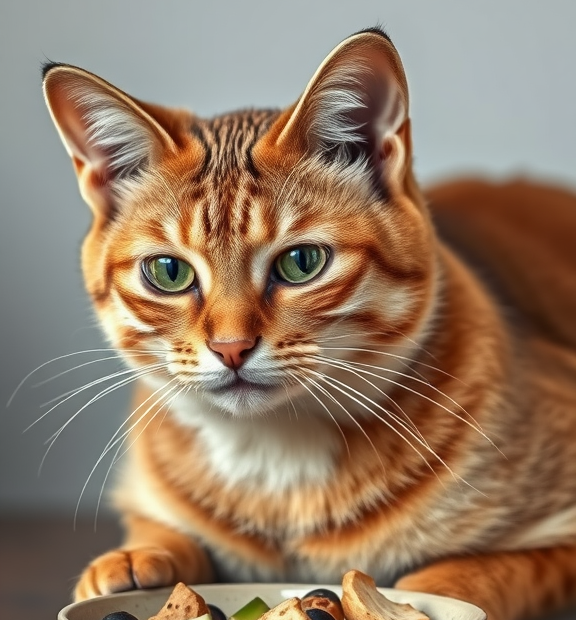
Effective Techniques to Encourage Your Abyssinian Cat to Eat More
Understanding the Abyssinian Cat’s Eating Habits
Abyssinian cats are known for their active and curious nature, but they can sometimes be picky eaters. If your Abyssinian cat isn’t eating enough, it’s important to first observe their behavior and eating patterns. These cats have fast metabolisms and require nutrient-rich meals to maintain their energy and healthy coats. Sometimes, a decrease in appetite can signal underlying health issues, so consulting a veterinarian is an essential first step if the problem persists.
Tips to Make Mealtime More Appealing for Your Abyssinian
Encouraging your Abyssinian cat to eat more can involve a combination of environmental adjustments and dietary enhancements. Making food irresistible often starts with understanding their preferences and habits.
1. Serve Fresh and High-Quality Food
Always opt for fresh meals, whether wet or dry. Abyssinians appreciate food that smells fresh and has a palatable texture. Offer high-protein, grain-free cat food formulas designed for active cats to supply them with sufficient energy and nutrients.
2. Warm the Food Slightly
Warming wet food to around body temperature releases aromatic oils that stimulate the cat’s senses. This technique can render food more appealing, especially for cats that are hesitant to eat. Use a microwave for just a few seconds or a warm water bath to achieve the right temperature.
3. Keep Feeding Areas Clean and Comfortable
Make sure your cat’s feeding station is quiet, clean, and free from distractions or stressors. Abyssinians may avoid eating if they feel uneasy. Regularly cleaning bowls and placing them on non-slip mats can create a more inviting space that encourages consistent eating.
Enhancing Your Cat’s Appetite with Dietary Adjustments
Sometimes, subtle changes to the diet can revive your Abyssinian’s interest in food. Experimenting with food variety and presentation can make a significant difference.
Try Different Protein Sources
Abyssinians sometimes enjoy switching proteins. Rotate between chicken, turkey, fish, or rabbit-based foods to prevent boredom. Offering wet food made from different meats can keep mealtimes exciting and help increase overall intake.
Add Tasty Toppers and Mix-Ins
Enhance your cat’s meals by adding healthy, flavorful toppings such as a little bit of warm chicken broth, low-sodium tuna juice, or a pinch of grated cheese. These additions can stimulate appetite without overwhelming their digestive system.
Provide Smaller, Frequent Meals
Rather than giving large portions once or twice a day, try offering smaller servings more frequently. This approach aligns with the natural eating behavior of cats and can prevent them from feeling overwhelmed by large meals.
Encouraging Play and Activity to Boost Appetite
Since Abyssinians are naturally energetic, engaging them in play before mealtime can increase their hunger. Use toys that encourage jumping, chasing, or pouncing, such as feather wands or laser pointers. A bit of exercise can stimulate their metabolism, making them more eager to eat once they settle down.
Monitoring and Adjusting Behavioral Triggers
Abyssinians thrive in environments where they feel secure and stimulated. If your cat refuses food, observe other possible stress factors like new pets, loud noises, or changes in daily routine. Reducing stress and creating a consistent feeding schedule can improve appetite significantly.
When to Seek Veterinary Advice
If you have tried multiple strategies and your Abyssinian still shows a lack of appetite, it’s crucial to seek veterinary care. Loss of appetite can be a sign of dental problems, gastrointestinal issues, or other medical conditions that need professional attention. Your vet might suggest appetite stimulants or specific diets to address your cat’s needs safely.
Essential Tips Recap for Feeding Your Abyssinian Cat
- Offer fresh, high-quality, protein-rich food suitable for active cats.
- Warm wet food to enhance aroma and palatability.
- Maintain a clean and quiet feeding environment.
- Rotate protein sources to prevent dietary boredom.
- Enhance meals with safe toppings like chicken broth or tuna juice.
- Feed smaller portions several times a day instead of large meals.
- Stimulate appetite through play and exercise before feeding time.
- Observe and eliminate any environmental stressors that may affect eating.
- Consult your vet if appetite doesn’t improve or if other symptoms arise.
By using these targeted techniques, you can nurture your Abyssinian cat’s appetite naturally and ensure they receive the nutrition needed to thrive. Remember, patience and consistency go a long way in encouraging your pet to enjoy their meals more.
Understanding the Dietary Preferences and Nutritional Needs of Abyssinian Cats
Key Factors Influencing Abyssinian Cats’ Eating Habits
Abyssinian cats are known for their playful and active nature, which directly influences their dietary preferences. Their energetic lifestyle means they often require a higher calorie intake compared to less active breeds. However, Abyssinians are also discerning eaters; they tend to be picky, showing strong preferences for certain flavors and textures. Understanding these habits helps in selecting the right food to meet their nutritional needs and encourage healthy eating patterns.
One important factor is texture. Many Abyssinians prefer wet or semi-moist food over dry kibble because the moisture content is closer to what they encounter in nature. The aroma and taste of their food also matter significantly. Strong, natural meat flavors tend to entice them more effectively than foods with artificial additives, which they might reject.
Essential Nutrients for Abyssinian Cats
Abyssinians need a diet rich in high-quality protein since they are obligate carnivores. Protein provides the necessary amino acids essential for muscle maintenance, energy production, and overall vitality. Taurine, a specific amino acid found primarily in animal tissue, is especially crucial. A lack of taurine can lead to serious health issues such as heart problems and vision loss.
Fats are another vital component of their diet. Healthy fats supply concentrated energy and help maintain a shiny, soft coat, which Abyssinians are notably known for. Omega-3 and omega-6 fatty acids also support brain function and reduce inflammation.
Vitamins and minerals must balance with proteins and fats to prevent deficiencies. For example, calcium and phosphorus need to be present in the right ratios for bone strength, while antioxidants like vitamins E and C support immune health. Fiber, while less critical, aids digestion and prevents constipation.
Feeding Strategies to Align with Abyssinian Preferences
Because Abyssinians can be selective eaters, feeding them requires some planning and experimentation:
- Introduce variety: Rotating flavors and food types can keep their interest alive. Offering different protein sources like chicken, turkey, or fish can satisfy their taste buds.
- Choose high-quality food: Opt for cat food labeled as “complete and balanced,” especially formulas designed for active or adult cats. Avoid low-quality fillers like corn, wheat, or soy, which don’t provide meaningful nutrition.
- Include wet food: Wet cat food or homemade broths increase moisture intake, keeping Abyssinians hydrated and more willing to eat.
- Feed smaller, frequent meals: Smaller portions spread throughout the day can cater to their natural hunting instincts and prevent food boredom.
The Role of Hydration and Feeding Environment
Proper hydration is vital as cats often do not drink enough water on their own. Abyssinians benefit from wet food’s moisture, but fresh water should always be available. Placing water bowls in multiple locations and using pet fountains that encourage drinking can help maintain hydration.
The feeding environment also plays a role in dietary acceptance. Abyssinians prefer calm, quiet spaces while eating, free from distractions or other pets that may stress them. A consistent routine where feeding times are predictable helps build a positive association with mealtime.
Recognizing and Addressing Feeding Issues
If an Abyssinian’s appetite decreases or they avoid food, it could signal stress, illness, or dietary dissatisfaction. Monitoring eating behavior closely is crucial to catch any changes early. Signs of potential problems include:
- Sudden weight loss or gain
- Refusal to eat several meals in a row
- Excessive chewing or dropping food
- Vomiting or diarrhea
In such cases, consulting a veterinarian ensures a thorough check for medical causes. Veterinarians may recommend diets tailored for specific health conditions or appetite stimulants.
Homemade Diets and Supplements: What to Consider
Some Abyssinian owners prefer homemade diets for greater control over ingredients and freshness. When preparing homemade meals, it’s essential to strike the right nutrient balance. This often involves consulting with a veterinary nutritionist to avoid deficiencies or imbalances, especially since cats have strict requirements for nutrients like taurine and vitamin A.
Supplementing with essential oils or specially formulated cat supplements can enhance nutritional value. However, supplements should never replace a balanced diet and must be given according to expert advice.
Understanding the Role of Treats and Snacks
Treats play a role in bonding and training but should be given in moderation. High-protein treats or freeze-dried meat snacks are generally better choices than treats loaded with carbs or artificial ingredients. Avoid overfeeding treats, as it can create imbalances and reduce their appetite for regular meals.
Final Tips to Support Healthy Eating in Abyssinians
To encourage healthy eating habits in your Abyssinian, remember to:
- Observe their preferences closely and adjust meal plans accordingly.
- Maintain meal consistency with well-timed, nutrient-rich portions.
- Offer food at room temperature to enhance aroma and palatability.
- Ensure hydration through wet food and fresh water availability.
- Consult professionals when experimenting with new foods or homemade diets.
With the right approach, you can support your Abyssinian’s energetic lifestyle while keeping them happy and well-nourished. Their dietary needs may be specific, but catering to these preferences creates a foundation for lifelong health and vitality.
Conclusion
Encouraging your Abyssinian cat to eat more requires a thoughtful approach that respects their unique dietary preferences and nutritional needs. By using effective techniques such as offering a variety of flavors and textures, feeding smaller, more frequent meals, and creating a calm and inviting eating environment, you can make mealtime more appealing for your cat. Understanding that Abyssinians often favor high-protein, nutrient-rich foods helps you choose the right diet that supports their energetic lifestyle and overall health.
Pay close attention to your cat’s behavior and preferences, as this will guide you in selecting foods that satisfy both their palate and nutritional requirements. Regularly monitoring portion sizes and consulting your veterinarian about the best food options ensures your Abyssinian receives balanced nutrition tailored to their specific needs.
Ultimately, patience and consistency are key. By combining these strategies, you build a positive feeding routine that encourages your Abyssinian to eat well, promoting their vitality and happiness. Supporting your cat with the right care and nutrition not only enhances their appetite but also strengthens the bond you share.