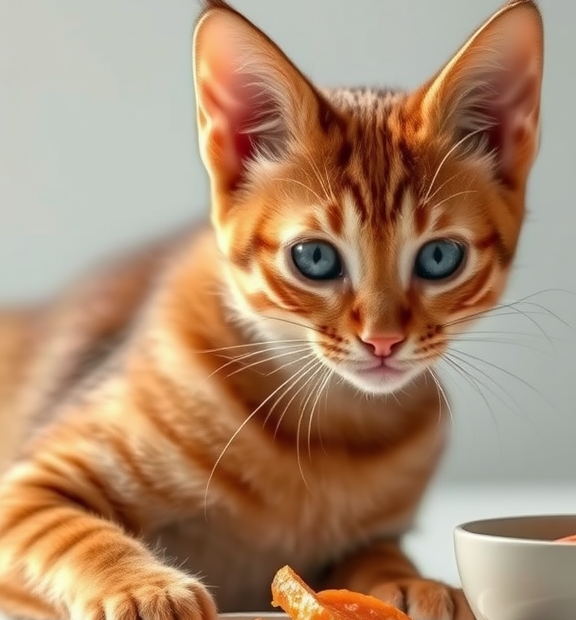
Understanding Your Abyssinian’s Unique Eating Needs: Key Nutritional Requirements
Recognizing the Special Dietary Traits of Abyssinians
Abyssinian cats are known for their slender and athletic build, vibrant coat, and highly active personality. These characteristics extend beyond appearance and behavior to their nutritional demands. To keep your Abyssinian healthy and energized, understanding and catering to their distinctive eating needs is crucial. Unlike some other breeds, Abyssinians have a high metabolism and lean muscle mass that require precise nutritional support.
Protein: The Cornerstone of Your Abyssinian’s Diet
Proteins form the backbone of any cat’s diet because they provide the essential amino acids needed for tissue repair, muscle development, and overall energy. Abyssinians, being active and muscular, have an even higher protein requirement than many other cats. You should look for cat foods that list high-quality animal proteins like chicken, turkey, fish, or beef as their main ingredients. Avoid products with vague terms like “meat meal” or excessive fillers.
Including high-quality protein sources helps maintain your Abyssinian’s lean physique and supports their agility and stamina. A dietary protein content of about 35-45% on a dry matter basis is usually ideal for these cats.
Fat and Energy Needs
Fat is a critical energy source for Abyssinians. This breed’s active lifestyle demands a diet with healthy fats that promote brain function, support a glossy coat, and provide concentrated energy for daily activities. Essential fatty acids such as omega-3 and omega-6 should be part of your cat’s meals. These fats not only fuel your pet but also reduce inflammation and aid in skin health.
Foods containing fish oil, flaxseed oil, or chicken fat are excellent choices. A fat content between 15% and 25% is beneficial for Abyssinian cats to meet their energetic requirements effectively.
Balancing Carbohydrates and Fiber
While cats are primarily carnivores, some carbohydrates can add fiber and aid digestion. However, Abyssinians don’t require large amounts of carbs; excessive carbs can lead to obesity or energy crashes. It’s best to choose diets with low to moderate carbohydrate levels sourced from easily digestible ingredients such as brown rice or sweet potatoes.
A moderate fiber content also helps with hairball management, which is important for Abyssinians due to their fine, dense coat.
Vitamins and Minerals Customized for Abyssinians
Your Abyssinian’s diet should include a balanced array of vitamins and minerals to boost immune health, strengthen bones, and enhance skin and coat condition. Key nutrients include:
- Taurine: An essential amino acid critical for heart and eye health.
- Calcium and Phosphorus: Vital for bone strength and muscle function.
- Vitamin E: An antioxidant that supports skin and coat vitality.
- B Vitamins: Important for energy metabolism.
Many commercial cat foods formulated for active breeds will suffice, but always check labels or consult your vet to ensure these nutrients meet your Abyssinian’s unique needs.
Feeding Schedule and Portion Control
Abyssinians thrive on routine. Regular feeding times help maintain their energy balance and avoid overeating. Dividing daily food portions into two or three smaller meals prevents digestive upset and manages their metabolism effectively.
Because of their slim build, it’s vital to monitor their weight and energy levels. Adjust portions accordingly to avoid underfeeding, which can affect muscle mass, or overfeeding, which can contribute to weight gain.
Hydration and Wet Food Benefits
Hydration plays an important role in your Abyssinian’s eating health. Cats are naturally low-water drinkers, so incorporating wet food can increase moisture intake and support kidney health. Wet food options also tend to have higher protein and fat concentrations, matching your Abyssinian’s nutritional profile well.
Special Considerations and Avoiding Common Pitfalls
Given their energetic temperament, Abyssinians are susceptible to gastrointestinal sensitivities and food allergies. If you notice symptoms such as diarrhea, vomiting, or excessive itching, it might be time to reassess their diet.
Avoid giving your Abyssinian generic or low-quality cat foods heavy in carbohydrates and fillers like corn or soy. Additionally, refrain from feeding them dog food or human foods that lack essential nutrients and might even be toxic, such as onions, garlic, or chocolate.
Regular Vet Check-Ups and Nutritional Adjustments
Your veterinarian is a valuable resource in tailoring the perfect diet for your Abyssinian. Regular health check-ups will help track your cat’s weight, coat condition, and overall wellness. Based on these evaluations, your vet might recommend supplements or dietary changes to fine-tune their nutrition.
Remember that your Abyssinian’s dietary needs may change with age, activity level, or health status, so remain flexible and attentive.
Ultimately, understanding the unique eating needs of your Abyssinian cat revolves around providing a protein-rich, well-balanced diet that supports their high energy and lean body, while ensuring proper hydration and avoiding harmful ingredients. By focusing on quality nutrition and proper feeding habits, you can ensure a happy, healthy, and vibrant companion who thrives every day.
Tips for Managing Feeding Habits and Avoiding Common Dietary Issues in Abyssinian Cats
Recognizing the Feeding Preferences of Abyssinian Cats
Abyssinian cats are known for their active and curious nature, which directly influences their feeding habits. Unlike many other breeds, Abyssinians can be quite picky eaters, often showing strong preferences for certain textures and flavors. Understanding these unique preferences can help you tailor their diet to keep them satisfied and healthy.
They tend to thrive on high-protein diets, reflecting their energetic lifestyle. Dry kibble with quality animal protein sources is often favored, but many Abyssinians also enjoy wet food due to its moisture content and softer texture. Observing your cat’s reactions to different food types helps you find the right balance and prevents mealtime frustration or refusal.
Establishing a Consistent Feeding Schedule
Consistency is key when managing the feeding habits of your Abyssinian. These cats benefit from having defined meal times rather than free-feeding or leaving food out all day. Scheduled feeding helps regulate their appetite and digestion, reducing the risk of overeating or weight spike, which is common in indoor pets.
- Routine meals: Offering two to three meals per day at the same times improves digestion and helps establish predictable eating behavior.
- Portion control: Measure meals carefully to avoid excess calories that could lead to obesity, a common concern for Abyssinians due to their active yet sometimes sedentary lifestyle indoors.
- Limit treats: While rewarding your cat is important, excessive treats can unbalance their diet. Choose healthy, low-calorie options when giving snacks.
Monitoring and Adjusting Diet to Avoid Common Issues
Some dietary challenges frequently arise with Abyssinian cats, including food sensitivities and digestive upset. Their sensitive digestive system can react to artificial additives, fillers, and low-quality ingredients found in cheaper cat foods. Here are tips to prevent common problems:
- Choose high-quality ingredients: Select foods free of unnecessary fillers like corn, wheat, and soy. Ingredients should list real animal protein as the primary source.
- Avoid sudden food changes: When switching diets, introduce new foods gradually over 7 to 10 days to minimize digestive disturbances.
- Hydration support: Abyssinians should always have access to fresh water. wet food helps increase moisture intake, supporting kidney health and hydration.
Preventing Obesity Through Nutritional Balance and Activity
Despite their active nature, Abyssinians can become overweight if their diet isn’t managed carefully. Obesity leads to a number of health concerns including diabetes and joint issues, so maintaining a balanced diet and encouraging physical activity is crucial.
To manage weight effectively:
- Choose foods formulated for weight maintenance or active cats that support lean muscle without excess fat buildup.
- Feed measured amounts tailored to your cat’s age, weight, and activity level. Consult with your veterinarian to determine the right calorie intake.
- Engage your Abyssinian in interactive play sessions daily. The breed’s natural agility and energy make it easier to keep them moving and burning calories.
Observing Behavior and Physical Signs Related to Diet
Pay attention to how your Abyssinian responds to their diet beyond just eating habits. Behavioral changes such as lethargy, irritability, or excessive vocalization after meals can point toward dietary discomfort. Physical signs like hair loss, vomiting, or diarrhea may also signal sensitivity or intolerance to certain foods.
Regularly monitoring stool quality can be especially helpful. Healthy digestion results in firm, consistent stool, while loose or irregular bowel movements indicate possible dietary issues needing adjustment.
Consulting Your Veterinarian for Personalized Nutritional Guidance
No two Abyssinians are exactly alike, so personalized advice from a vet can make a big difference in managing feeding habits and overcoming dietary challenges. Your veterinarian can:
- Recommend specialized food formulations if your cat has allergies, digestive sensitivities, or weight concerns.
- Suggest supplements if necessary, such as omega-3 fatty acids for skin and coat health or probiotics for digestive support.
- Help create a feeding plan that aligns with your cat’s life stage, activity level, and health status.
Regular vet check-ups ensure your Abyssinian’s diet continues to meet their evolving needs as they grow and age.
Maintaining Patience and Flexibility in Feeding Practices
Managing an Abyssinian’s feeding habits requires patience. Their preferences may change with time, and occasional fluctuations in appetite are common. By being observant, consistent, and ready to try new approaches, you can help keep your cat nutritionally balanced and happy.
Always encourage positive mealtime experiences by feeding in quiet, comfortable spaces and avoiding stressors around feeding times. This creates a loving environment that supports your Abyssinian’s overall wellbeing.
Conclusion
Caring for your Abyssinian’s diet means recognizing their distinct nutritional needs and tailoring their meals accordingly. These energetic and curious cats thrive on a protein-rich diet that supports their active lifestyle and lean muscle mass. Ensuring the right balance of vitamins, minerals, and moisture helps maintain their overall health and shiny coat. By focusing on high-quality ingredients and appropriate portion sizes, you can foster their wellbeing and reduce the risk of obesity or digestive troubles.
Managing feeding habits is just as important as choosing the right food. Establishing a consistent feeding schedule prevents overeating and helps monitor your cat’s appetite and weight. Watching for signs of picky eating or potential food sensitivities is crucial, as Abyssinians can be selective or prone to allergies. Avoiding sudden diet changes and providing fresh water at all times also contribute to a happier, healthier pet.
Ultimately, understanding your Abyssinian’s unique eating habits not only supports their physical health but strengthens the special bond you share. By staying attentive and informed, you ensure that your feline friend enjoys every meal while thriving for years to come. Providing the right nutrition and care makes all the difference in keeping your Abyssinian lively, joyful, and full of life.