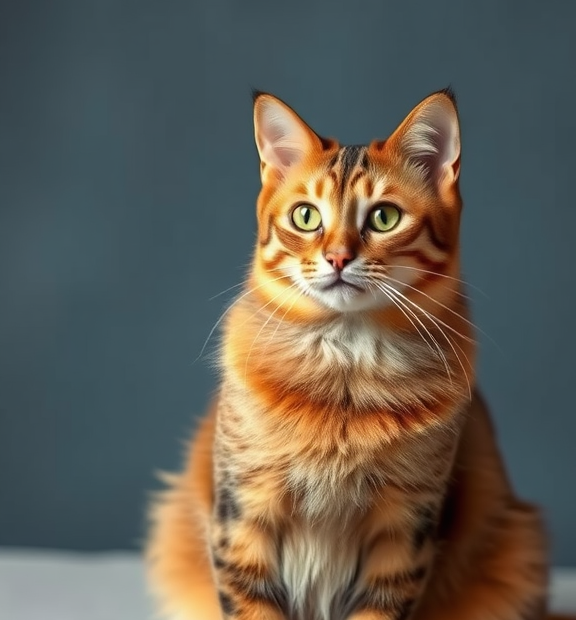
Essential Nutritional Needs: What to Feed Your Abyssinian Cat for Peak Health
Understanding the Unique Dietary Needs of Your Abyssinian Cat
Abyssinian cats are known for their energetic nature and graceful agility. To keep them thriving, it’s essential to provide a diet that supports their high activity levels and unique physiology. Unlike some other breeds, Abyssinians benefit from a carefully balanced diet that promotes muscle tone, healthy skin, and overall vitality. Feeding your Abyssinian cat with the right nutrients can help avoid common health issues like obesity, dental problems, and digestive upset.
Key Nutrients to Prioritize in Your Abyssinian’s Diet
Feeding your Abyssinian cat for peak health involves focusing on specific nutrients that support their body’s functions:
- High-Quality Protein: Cats are obligate carnivores, which means they need animal-based proteins to maintain muscle mass and energy. Choose foods that list meat, poultry, or fish as the primary ingredients to give your Abyssinian the amino acids it requires.
- Essential Fatty Acids: Omega-3 and Omega-6 fatty acids contribute to a shiny coat and healthy skin. Abyssinians have fine fur that shines best when nourished with these healthy fats found in fish oils and flaxseed.
- Taurine: This vital amino acid is crucial for heart health, vision, and reproduction. Taurine cannot be synthesized by cats efficiently, so it must come from their diet, especially through meat sources.
- Vitamins and Minerals: Vitamins A, E, and B-complex, along with minerals like zinc and magnesium, support immune health and energy metabolism. Ensure your cat food includes a balanced vitamin and mineral profile.
- Controlled Carbohydrate Content: While cats don’t rely heavily on carbs, a moderate amount from healthy sources like sweet potatoes or peas can provide energy without causing blood sugar spikes.
Choosing the Best Food Types for Your Abyssinian
When deciding what to feed your Abyssinian, you’ll encounter several options including dry kibble, wet canned food, raw diets, and homemade meals. Each has pros and cons that should be weighed against your cat’s lifestyle and preferences.
Dry Food
Dry kibble is convenient, often cost-effective, and helps maintain dental health through crunching action. However, it typically contains more carbohydrates and less moisture, which might not be ideal for all Abyssinians.
Wet Food
Wet food provides higher moisture content, supporting hydration—a key factor since cats usually don’t drink much water. It is also rich in protein and can be more palatable, encouraging picky eaters to consume enough nutrition.
Raw and Homemade Diets
Some owners prefer raw or freshly cooked meals, believing they mirror a cat’s natural diet. If you opt for this, balance is crucial. Raw diets require precise knowledge to avoid nutritional gaps or bacterial contamination. Consulting with a vet or nutritionist is essential before switching to homemade meals.
Feeding Tips to Maximize Your Abyssinian’s Health
To get the most out of your Abyssinian’s diet, keep these tips in mind:
- Feed Multiple Small Meals: Abyssinians have fast metabolisms. Offering 2-3 small meals daily helps maintain consistent energy throughout the day.
- Monitor Weight and Behavior: Adjust portions if your cat gains excess weight or shows signs of lethargy. An active Abyssinian needs a diet that fuels, not burdens, their energy levels.
- Include Fresh Water: Always provide fresh, clean water. Some cats prefer fountains that encourage drinking.
- Avoid Harmful Ingredients: Steer clear of foods with artificial additives, excessive fillers, or by-products which can affect digestion and overall health.
- Regular Vet Check-Ups: Nutritional needs can change with age, health conditions, or lifestyle adjustments. Routine vet visits ensure your Abyssinian’s diet continues to meet their health goals.
Understanding Allergies and Food Sensitivities
Abyssinians may develop food allergies or intolerances, manifesting as itchy skin, digestive issues, or ear problems. Common offenders include grains like wheat and corn or certain proteins. If your Abyssinian shows signs of discomfort after eating, try an elimination diet under veterinary supervision to identify triggers.
Supplements: Do You Need Them?
While a balanced, complete cat food usually covers all essential nutrients, some Abyssinians may benefit from supplements such as fish oil for coat health or probiotics for digestion. However, supplements should only be added after discussing with your veterinarian to avoid nutrient imbalances.
Final Thoughts on Feeding for Longevity and Vitality
Feeding your Abyssinian cat with a diet rich in animal protein, healthy fats, and essential vitamins will support their lean muscle tone, lustrous coat, and playful behavior. Pay attention to the quality and source of ingredients, provide adequate hydration, and adapt their nutrition over time as needed. By focusing on your Abyssinian’s unique nutritional needs, you can help ensure they live a long, healthy, and happy life.
Common Dietary Mistakes to Avoid for Maintaining Your Abyssinian Cat’s Wellness
Understanding Your Abyssinian Cat’s Unique Dietary Needs
Abyssinian cats are known for their lively personalities and sleek, muscular bodies. To keep them thriving, it’s crucial to provide a diet tailored to their specific needs. Many cat owners unwittingly make dietary mistakes that can impact their Abyssinian’s health, energy, and longevity. Understanding what to avoid helps maximize their wellness and keeps them feeling their best.
This breed has a high metabolism and active nature, meaning their nutrient demands differ from other cats. Providing balanced nutrition with the right mix of protein, fats, and essential vitamins supports their lean muscle mass and helps maintain an ideal weight. Let’s explore the common feeding errors you should steer clear of to support your Abyssinian’s health.
Feeding Mistakes That Can Harm Your Abyssinian’s Health
1. Relying Too Heavily on Dry Food
While dry cat food is convenient and widely available, feeding your Abyssinian solely dry kibble can lead to several problems. Dry food is often lower in moisture content, which can increase the risk of dehydration and urinary tract issues. Abyssinians, like all cats, naturally get much of their water intake from food, so feeding primarily dry food makes hydration more challenging.
Additionally, many dry diets contain fillers such as corn or wheat, which offer little nutritional value and may contribute to weight gain. Feeding a mix of wet and dry food helps keep your cat hydrated and ensures they receive high-quality proteins and fats.
2. Overfeeding and Lack of Portion Control
It’s easy to overestimate how much your Abyssinian needs to eat, particularly if they beg or seem hungry. Overfeeding is a common mistake that leads to obesity, which brings other health problems such as diabetes and joint stress. Because Abyssinians are active and slender, maintaining a healthy weight is critical for their agility and overall health.
Use feeding guidelines on pet food packages as a starting point, then adjust portions based on your cat’s individual activity level, age, and weight. Ideally, measure their food to avoid free-feeding or excessive treats.
3. Ignoring High-Quality Protein Sources
Cats are obligate carnivores, and their diet must include high-quality animal protein to maintain muscle tone and energy. Feeding foods low in protein or relying on plant-based proteins can lead to deficiencies and muscle loss. Abyssinians, known for their high energy, need ample protein from sources such as chicken, turkey, fish, or beef.
Avoid cat foods that list by-products or meals without specifying meat types. Look for products that clearly state real meat as the first ingredient. This supports your Abyssinian’s vitality and overall wellness.
4. Feeding Too Many Treats and Table Scraps
Treats are a fun way to bond with your Abyssinian but overdoing it can unbalance their diet. Too many sugary, salty, or fatty treats disrupt their nutritional balance and may cause digestive upset or weight gain. Table scraps are usually unsuitable as they often contain ingredients harmful to cats, like onions, garlic, or excess salt.
Limit treats to no more than 10% of your cat’s daily calorie intake. Choose healthy treats formulated for cats or small portions of cooked meats without seasoning.
5. Neglecting to Provide Dietary Variety
Offering the same food every day might seem easier, but dietary variety helps prevent picky eating habits and ensures a broader range of nutrients. Rotating between different protein sources and food textures can boost your Abyssinian’s interest in meals and provide a balance of vitamins and minerals.
If you change your cat’s diet, do so gradually over a week to avoid digestive issues. Introduce new foods by mixing increasing amounts with their current diet.
Tips to Support a Healthy Abyssinian Diet
- Choose Nutrient-Dense Foods: Select cat foods rich in protein and low in fillers to meet your cat’s energy needs.
- Incorporate Wet Food: This helps with hydration and provides a texture that many cats enjoy.
- Monitor Weight Regularly: Keep track of your Abyssinian’s weight to adjust portions as needed and prevent obesity.
- Limit Treats: Use treats sparingly and opt for healthy, cat-specific options.
- Provide Fresh Water: Always have fresh water available to encourage proper hydration.
- Consult Your Vet: Regular vet visits help tailor your cat’s diet to any changing needs or health concerns.
By avoiding these common dietary mistakes and focusing on providing high-quality, balanced nutrition, you can help your Abyssinian cat maintain peak health, thriving energy levels, and a long, happy life. Remember, your cat’s diet is a key factor in their wellness—approach feeding thoughtfully to give them the best foundation possible.
Conclusion
Feeding your Abyssinian cat the right diet is key to ensuring their peak health and vibrant lifestyle. By focusing on their essential nutritional needs—such as high-quality protein, balanced fats, and the right vitamins—you provide the foundation for their energy, sleek coat, and strong immune system. Remember, Abyssinians are active and curious cats, so their food should fuel their playful nature and support their overall well-being.
Avoiding common dietary mistakes is just as important. Steering clear of low-quality fillers, excessive carbohydrates, and sudden changes in diet helps prevent digestive upset and long-term health issues. Instead, choose foods formulated specifically for active cats like Abyssinians, and always monitor how they respond to any new diet. Fresh water should be readily available, and occasional treats should never replace a balanced meal.
Taking time to learn what makes your Abyssinian’s diet unique ensures you’re giving them the best possible care. When you prioritize nutrition tailored to their needs and avoid feeding errors, you set the stage for your cat to enjoy a long, healthy, and happy life by your side. Your attention to their diet shows your love and helps your Abyssinian thrive every day.