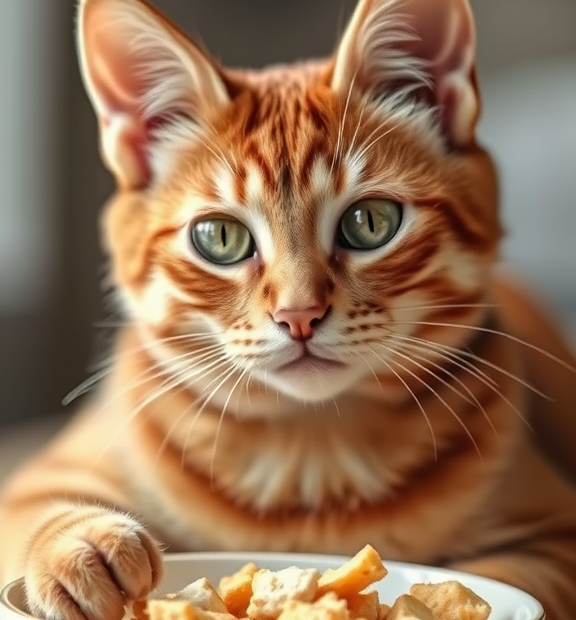
Effective Techniques to Manage Picky Eating in Your Abyssinian Cat
Abyssinian cats are known for their playful nature and intelligence, but they can also be quite selective when it comes to food. If your Abyssinian exhibits picky eating habits, it can be concerning and sometimes frustrating. However, understanding their preferences and applying effective feeding techniques can turn mealtime into an enjoyable experience for both you and your feline friend.
Understanding Why Your Abyssinian Cat Is Picky
Before addressing picky eating, it’s important to recognize the reasons behind this behavior. Abyssinians are naturally curious and sensitive cats. Some common causes of picky eating include:
- Texture preferences: Abyssinians may favor specific textures such as pate, chunks, or dry kibble.
- Flavor sensitivities: Strong smells or certain flavors can put off a sensitive palate.
- Health issues: Dental problems or gastrointestinal upset may affect appetite.
- Stress or environment changes: Moving, new pets, or disruptions can lower interest in food.
By identifying these factors, you can tailor your approach to better suit your Abyssinian’s needs.
Choose High-Quality, Nutrient-Rich Foods
Selecting premium food made from natural ingredients is essential. Abyssinians thrive on diets rich in proteins and healthy fats, mimicking their natural feline diet. Look for products with real meat, minimal fillers, and no artificial additives. High-quality food not only provides better nutrition but also usually tastes better, which can entice a picky eater.
Create a Consistent Feeding Schedule
Abyssinians benefit from routine. Feeding your cat at the same times every day helps regulate appetite and reduces anxiety around meals. Avoid free feeding (leaving food out all day) as it encourages grazing and often leads to selective eating and food wastage. Instead, offer meals for a set amount of time—about 20 to 30 minutes—then remove any uneaten food. This helps your cat learn that food is available only during scheduled times, which can increase willingness to eat.
Introduce Variety Gradually
While Abyssinians can be picky, they also enjoy variety when it is introduced carefully. Suddenly changing the food or offering too many different flavors may overwhelm your cat. Instead, slowly transition between flavors or textures over a week or two. You can mix a small amount of the new food into the current diet and gradually increase the proportion until the switch is complete. This reduces the risk of rejection and digestive upset.
Enhance Food Appeal with Simple Tricks
Making meals more enticing doesn’t require expensive products. You can improve your Abyssinian’s interest in food by:
- Warming wet food slightly: Warmer food releases aromas that attract cats.
- Adding a bit of tuna juice or chicken broth: These boost flavor naturally.
- Serving smaller, frequent meals: Helps prevent boredom and keeps hunger cue regular.
- Using puzzle feeders or interactive toys: Stimulates mental engagement, making mealtime fun.
Monitor Hydration and Supplements
Abyssinians often prefer fresh water, so ensure their water bowl is clean and refilled daily. If your cat prefers wet food but refuses it, try mixing in a bit of water or broth. Hydration is linked to appetite, so maintaining proper fluid intake supports better eating habits. Additionally, discuss with your veterinarian about supplements such as omega fatty acids or appetite stimulants that might benefit your picky Abyssinian.
Be Patient and Observe Behavior Patterns
Managing picky eating requires a calm and patient approach. Avoid pressuring your Abyssinian to eat or punishing refusal to eat, as this can create negative associations with mealtime. Instead, watch for patterns such as favorite flavors, times when your cat is more willing to eat, or any triggers that reduce appetite. Keep a feeding diary if needed to help identify trends.
When to Seek Veterinary Advice
If your Abyssinian’s picky eating persists or is accompanied by weight loss, vomiting, lethargy, or behavioral changes, consult your veterinarian promptly. Sometimes, underlying health issues such as dental disease, infections, or allergies can cause loss of appetite. Early diagnosis and treatment can prevent more serious complications and improve your cat’s relationship with food.
By implementing these strategies, you can better manage your Abyssinian’s picky eating habits and ensure they receive a balanced, nutritious diet that supports their playful and active lifestyle.
Understanding the Nutritional Needs of Abyssinian Cats to Encourage Better Eating Habits
Why Abyssinian Cats Have Unique Dietary Requirements
Abyssinian cats are known for their sleek bodies, high energy levels, and playful personalities. These traits also influence their nutritional needs. Unlike some other breeds, Abyssinians have a faster metabolism and more active lifestyle, which means they require a diet rich in proteins and essential nutrients to support their muscle development and energy demands.
To encourage better eating habits, it’s crucial to understand what makes their nutritional profile different from typical cats. They thrive on diets that mimic their natural carnivorous tendencies, focusing on high-quality animal proteins, moderate fats, and minimal carbohydrates. Providing the right balance will not only satisfy their palates but also keep them healthy and vibrant.
Key Nutrients Essential for Abyssinian Cats
When selecting food for your Abyssinian, pay close attention to these vital nutrients:
- Protein: Protein should be the main component of their diet. Look for foods where a named meat (chicken, turkey, lamb, or fish) is the top ingredient. Proteins help maintain their lean muscle mass and support overall health.
- Taurine: This amino acid is crucial for heart function, vision, and reproduction. A deficiency in taurine can cause serious health issues, so always check that the food is taurine-fortified.
- Fatty Acids: Omega-3 and Omega-6 fatty acids contribute to a shiny coat and healthy skin. They also play a role in brain function and inflammatory response.
- Vitamins and Minerals: Vitamins A, D, E, and B-complex, as well as minerals like calcium and phosphorus, are necessary for bone health, immune support, and energy metabolism.
- Water: Hydration is often overlooked but essential. Abyssinians tend to prefer fresh, clean water and may benefit from wet food options to maintain proper hydration.
Choosing the Right Diet to Fit Their Needs
Understanding these nutritional factors helps you pick foods that appeal to your Abyssinian’s natural preferences. Here are some tips to help guide your choice:
- Wet vs. Dry Food: Incorporate wet food into their diet to increase moisture intake. Wet food often has a stronger aroma and texture, which can attract picky eaters.
- High-Quality Ingredients: Avoid fillers such as corn, wheat, and soy, which can cause allergies and promote unwanted weight gain. Instead, opt for foods with whole meats and natural ingredients.
- Grain-Free Options: Many Abyssinians have sensitivities or allergies to grains, so grain-free recipes could reduce digestive upset and encourage better eating habits.
How to Create a Feeding Routine That Supports Good Eating Habits
Instilling consistent feeding habits can prevent finicky behavior. Abyssinians appreciate routine and predictability, which can help them feel more comfortable and willing to eat regular meals:
- Feed your cat at the same times each day, ideally two to three small meals rather than one large one.
- Eliminate free feeding where food is available all day; this helps regulate appetite and appetite control.
- Introduce new foods gradually over several days, mixing them with familiar favorites to ease the transition.
- Offer a calm, quiet place for meals away from distractions or noise to make feeding time enjoyable.
Addressing Picky Eating Patterns by Tailoring the Diet
Abyssinians can sometimes show selective eating habits, which require patience and understanding. Here are some strategies to encourage them to try and enjoy a wider variety of foods:
- Experiment with textures – some cats prefer pate-style wet food, while others favor shredded or chunkier options.
- Warm up wet food slightly to enhance aroma and flavor, making it more enticing.
- Rotate protein sources to maintain interest and provide a broad spectrum of nutrients.
- Engage your cat with interactive feeding puzzles or toys that stimulate curiosity and make mealtime fun.
Important Considerations and When to Consult a Veterinarian
While picky eating can be common, it’s essential to monitor your Abyssinian’s overall health, weight, and energy levels. Sudden changes in appetite or prolonged refusal to eat may signal underlying health problems.
Regular veterinary check-ups help identify nutritional deficiencies or medical issues early. Your vet can also recommend specialized diets or supplements tailored for Abyssinians with specific needs.
By understanding and catering to the unique dietary requirements of your Abyssinian cat, you can support their health, vitality, and enjoyment of mealtime. Remember, a well-balanced diet rich in quality protein, essential nutrients, and moisture will encourage better eating habits and lead to a happy, thriving pet.
Conclusion
Managing picky eating in your Abyssinian cat can feel challenging, but with the right techniques and understanding, you can make mealtime a positive experience for both you and your feline friend. By using effective strategies such as introducing new foods gradually, maintaining consistent feeding schedules, and offering a variety of textures and flavors, you encourage your Abyssinian to explore different options without feeling pressured. Patience and attentiveness during this process are key to building trust and improving your cat’s willingness to eat.
At the heart of managing picky eating is a solid grasp of your Abyssinian’s unique nutritional needs. These cats thrive on a balanced diet rich in high-quality proteins, essential fats, and specific vitamins that support their active lifestyle and sleek coat. Knowing these requirements helps you select foods that not only appeal to their tastes but also keep them healthy and energized. Offering nutrient-rich meals tailored to your cat’s preferences can reduce pickiness by making each bite rewarding and beneficial.
Remember, every Abyssinian is different, so combining thoughtful feeding techniques with a diet designed for their needs leads to better eating habits over time. By staying patient, persistent, and informed, you create an environment where your picky eater feels comfortable and nourished. This approach ensures your Abyssinian cat receives the proper nutrition necessary for a happy, healthy life while minimizing mealtime frustrations for you.