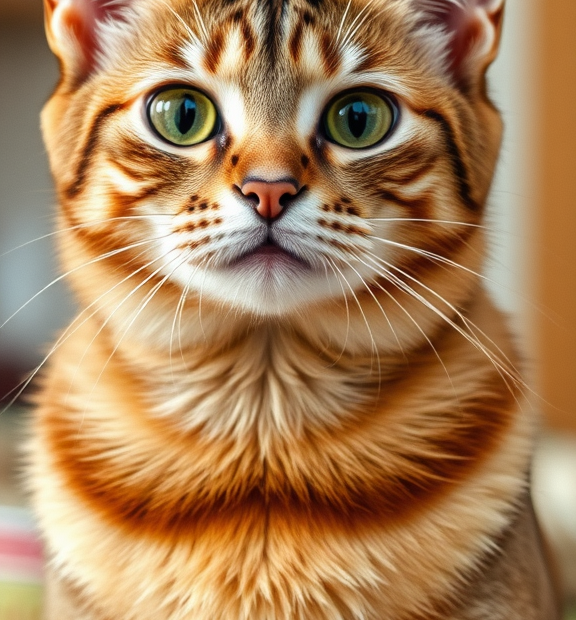
10 Common Diet Mistakes Abyssinian Cat Owners Make and How to Avoid Them
Understanding Your Abyssinian Cat’s Unique Dietary Needs
Abyssinian cats are known for their active, playful nature and slender, muscular build. Their diet must support these traits to keep them healthy and energetic. Many Abyssinian cat owners unknowingly make diet mistakes that affect their pet’s overall well-being. Let’s uncover some common errors and how you can avoid them to maintain the vitality of your feline friend.
Feeding Common Mistakes to Avoid
1. Overreliance on Dry Food
Many owners depend heavily on dry kibble for convenience. However, dry food often lacks sufficient moisture, which Abyssinians require to stay hydrated and prevent urinary tract issues. Increasing wet food in their diet helps provide essential moisture and improves kidney health.
2. Ignoring High Protein Requirements
Abyssinians are obligate carnivores, meaning they thrive on a diet rich in animal protein. Feeding low-protein or plant-heavy diets can lead to muscle loss and weakened immune systems. Always choose cat foods with high-quality animal proteins like chicken, fish, or turkey as core ingredients.
3. Feeding Human Food as Treats
Offering scraps or human food as treats seems harmless but can cause nutritional imbalances and digestive upset. Foods like onions, garlic, and chocolate are toxic to cats and must be strictly avoided. Instead, provide vet-approved cat treats to keep your Abyssinian on track nutritionally.
4. Skipping Portion Control
Even though Abyssinians are active, overfeeding is common and can lead to obesity. It’s important to measure portions according to your cat’s weight, age, and activity level. Avoid free-feeding to prevent overeating and consult your vet for personalized portion guidelines.
5. Failing to Transition Diets Gradually
A sudden change in your Abyssinian’s diet can cause digestive issues like diarrhea or vomiting. When switching foods, introduce the new diet slowly over 7-10 days by mixing increasing amounts of the new food with the old. This gradual transition helps your cat’s digestive system adjust smoothly.
Enhancing Nutrition and Care Through Smarter Feeding Habits
6. Neglecting Essential Nutrients
Some owners overlook the importance of key nutrients such as taurine, omega fatty acids, and vitamins, all critical for an Abyssinian’s heart, vision, and skin health. Always select premium foods labeled “complete and balanced” to ensure these nutrients are included.
7. Not Monitoring Water Intake
Active Abyssinian cats may not drink enough water, especially if fed mostly dry food. Insufficient hydration can contribute to bladder and kidney problems. To encourage water consumption, provide fresh water daily, consider water fountains, and increase wet food servings.
8. Feeding Inappropriate Snacks Too Often
Snacks should never replace balanced meals. Frequent treats, especially low-quality or sugary ones, can upset your cat’s digestion and lead to weight gain. Use treats sparingly and choose those with natural ingredients designed for feline health.
9. Relying Solely on Commercial Foods Without Variety
While commercial diets are convenient, offering some variety can improve your Abyssinian’s nutrition and interest in food. You can safely supplement meals with cooked lean meats or vet-approved homemade diets. Always discuss any new food additions with your veterinarian.
10. Overlooking Regular Veterinary Consultations for Diet Advice
Abyssinians’ dietary needs can change as they age or if health issues arise. Owners who fail to regularly consult their vet may miss important dietary adjustments. Schedule routine check-ups to tailor your cat’s diet to their current health and lifestyle.
Implementing Healthy Feeding Practices
To keep your Abyssinian thriving, focus on a diet that respects their carnivorous nature, supports hydration, and maintains proper nutrient balance. Avoid diet mistakes such as overfeeding, feeding harmful human foods, and ignoring water intake. When you feed thoughtfully and consult your veterinarian, you’ll enjoy a happy, healthy Abyssinian for years to come.
Tailoring Nutrition Plans for Abyssinian Cats: Best Practices for Optimal Health
Understanding the Unique Nutritional Needs of Abyssinian Cats
Abyssinian cats are known for their energetic and playful nature, which demands a carefully balanced diet to support their high activity levels and maintain their sleek, muscular physiques. Unlike other breeds, Abyssinians often have faster metabolisms, meaning they burn calories quickly and require nutrient-dense meals to sustain optimal health. Tailoring your cat’s nutrition plan means acknowledging these specific needs—a general approach to feeding can fall short.
Key Nutritional Components for Abyssinian Wellness
An effective diet for Abyssinians focuses on several core nutrients that influence their health profoundly:
- High-Quality Protein: Abyssinians thrive on animal-based proteins like chicken, turkey, or fish. Protein supports muscle maintenance, which is vital due to their energetic behaviors.
- Controlled Fat Levels: While fats provide essential energy, overfeeding can lead to obesity. The right balance helps maintain skin health and coat shine without excess weight gain.
- Essential Fatty Acids: Omega-3 and Omega-6 fatty acids promote a glossy coat and reduce inflammation. These fatty acids are found in fish oils and flaxseed.
- Limited Carbohydrates: Cats naturally have limited carbohydrate digestion ability. Minimizing carb intake helps reduce digestive stress and avoids unnecessary calorie load.
- Vitamins and Minerals: The inclusion of taurine, calcium, and vitamins A and E supports cardiovascular and vision health, critical to Abyssinians’ long-term wellbeing.
Common Challenges When Feeding Abyssinian Cats
You might face specific challenges when trying to develop a nutrition plan:
- Overfeeding Out of Affection: Owners often feed treats or excess food to show love, but this can lead to unhealthy weight gain.
- Improper Protein Sources: Some commercial foods use low-quality proteins or plant-based proteins, which don’t fully meet a carnivorous cat’s requirements.
- Lack of Variety: Feeding one type of food repeatedly can cause nutritional deficiencies or food fatigue in your cat.
- Ignoring Water Intake: Abyssinians require sufficient hydration, especially if mainly on dry food. Fresh, clean water must always be accessible.
Best Practices for Customizing Your Abyssinian’s Diet
To promote optimal health, consider these expert tips:
1. Consult Your Veterinarian Regularly
Seeking advice from a vet who understands Abyssinians’ specific nutritional needs is crucial. They help design a diet plan considering age, weight, activity level, and any health issues.
2. Choose High-Quality, Grain-Free Foods
Preferably select grain-free commercial cat foods rich in animal proteins and free of fillers like corn or wheat. These ingredients align better with both digestive compatibility and natural diet preferences.
3. Incorporate Wet Food Into Meals
Wet food provides moisture which supports kidney health and hydration. It also adds variety, making meals more appealing to Abyssinians who can be picky eaters.
4. Use Portion Control and Scheduled Feeding
Avoid free-feeding. Offering fixed portions at regular times helps manage appetite and prevents obesity—a common risk among indoor cats.
5. Supplement Wisely
Adding fish oil supplements can improve coat condition and reduce inflammation. Always use supplements recommended by your vet and avoid over-supplementing.
Adapting Diet Plans for Different Life Stages
Abyssinian kittens, adults, and seniors all require variations in their diets:
- Kittens: Need higher protein and calorie content to support development and energy levels.
- Adult Cats: Require balanced diets to maintain lean muscle mass without adding excess fat.
- Seniors: May need diets low in calories but high in fiber and joint-support nutrients.
Adjusting your cat’s meals according to their stage of life will promote longevity and prevent common health issues such as obesity, diabetes, or kidney disease.
Watch for Signs That Your Abyssinian’s Diet Needs Tweaking
Be observant when monitoring your cat’s health, weight, and coat condition. If you notice dull fur, weight fluctuations, lethargy, or digestive upset, these could be red flags signaling the need for dietary changes.
Hydration and Feeding Environment
Make sure your Abyssinian always has access to clean, fresh water. Consider adding multiple water bowls or a cat water fountain to encourage drinking. Additionally, feeding your cat in a quiet and comfortable space can make mealtime more enjoyable and reduce stress-related appetite loss.
Avoiding Common Pitfalls in Abyssinian Nutrition
Steer clear of:
- Giving too many treats or human foods, which can upset their delicate digestive system.
- Feeding low-quality commercial products with unknown ingredient sources.
- Ignoring dental health, as Abyssinians can be prone to oral issues that affect eating habits.
Taking time to plan meals thoughtfully will safeguard your Abyssinian’s health and happiness.
The Importance of Monitoring and Adjusting Diet Over Time
Regular reviews of how your Abyssinian responds to their diet are essential. Weight checks, veterinary visits, and observation help spot nutritional deficiencies or excesses early. Flexibility in meal adjustments ensures your cat’s dietary plan always matches their current needs, enabling a vibrant, active lifestyle.
Conclusion
Feeding your Abyssinian cat the right way is essential for their vibrant health and energy. Avoiding common diet mistakes—like overfeeding, neglecting protein needs, or offering inappropriate treats—can make a big difference in your cat’s wellbeing. By understanding and steering clear of these pitfalls, you ensure your furry friend receives balanced nutrition that supports their active lifestyle.
Tailoring a nutrition plan specifically for Abyssinian cats means paying close attention to their unique dietary requirements. These cats thrive on high-quality protein, moderate fats, and appropriate hydration. Offering a mix of wet and dry food, monitoring portions, and choosing formulas rich in essential nutrients can help maintain their lean muscle tone and shiny coat. Additionally, regular consultation with your veterinarian is key to fine-tuning their diet as they age or if health issues arise.
Ultimately, your commitment to smart feeding habits not only prevents diet-related problems but also enhances the bond you share with your Abyssinian cat. By being informed and proactive, you create a foundation for many healthy, happy years together. Remember, every meal is an opportunity to nurture your pet’s natural grace and vitality. Prioritize their diet thoughtfully, and you’ll enjoy the unique charm and energy that makes Abyssinians truly special.