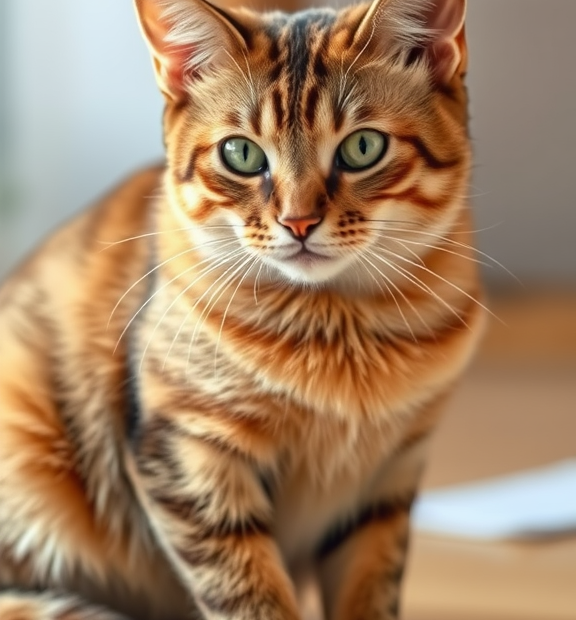
Why Your Abyssinian Cat Might Be Skipping Meals and How to Fix It
If you’ve noticed your Abyssinian cat suddenly skipping meals, it can be concerning, especially since this breed is usually quite energetic and food-motivated. Understanding why your Abyssinian cat might be avoiding food is essential for addressing the issue promptly and keeping your feline friend in good health.
Common Reasons Your Abyssinian Cat May Skip Meals
There are several factors that can cause meal skipping in Abyssinian cats. Identifying the root cause is the first step toward finding an effective solution.
1. Health Issues
Illnesses or physical discomfort often lead to a decreased appetite. This could range from dental problems like gum disease or toothache to digestive issues or infections. Cats may also refuse food if they’re feeling nauseous or experiencing pain elsewhere in the body.
2. Stress and Anxiety
Abyssinian cats are known for being sensitive and social, so any changes in their environment or routine can cause stress. Moving to a new home, introduction of a new pet, loud noises, or even changes in household members’ schedules can make your cat anxious and less interested in eating.
3. Food Preferences and Changes
Abyssinians can be picky eaters. Sometimes, a change in the type or brand of food can make your cat refuse their meal. The texture, temperature, or flavor might not appeal to them as much as before, leading to skipped meals.
4. Aging and Metabolism Changes
Older cats tend to have different dietary needs and appetite levels. An aging Abyssinian may eat less because of slower metabolism or underlying age-related health issues.
How You Can Help Your Abyssinian Cat Start Eating Again
Once you understand the reasons behind the skipped meals, here are practical ways to encourage your Abyssinian cat to eat regularly:
Check for Health Problems
If your cat suddenly stops eating for more than 24 hours or shows signs of illness like lethargy, vomiting, or changes in behavior, it’s crucial to visit the vet. Your vet can perform a thorough check and recommend treatment if there’s an underlying medical cause.
Minimize Stress in Their Environment
Try to keep your cat’s feeding area quiet and comfortable. Avoid sudden changes in their space or routine. If you have other pets, ensure your Abyssinian has a safe spot to eat without feeling threatened. Using familiar blankets or toys nearby can also help reduce anxiety.
Offer Appealing Food Options
Experiment with different food textures—wet canned food, dry kibble, or a combination. Warming up the food slightly may enhance its aroma and entice your cat to eat. You can also try offering smaller, more frequent meals instead of large portions. Sometimes, adding a bit of low-sodium broth or a small amount of tuna juice can make the food more inviting.
Maintain a Consistent Feeding Schedule
Abyssinians appreciate routine. Feeding your cat at the same times each day fosters a sense of security and helps regulate their appetite. Avoid leaving food out all day, as some cats may lose interest if free-fed.
Stay Hydrated
Proper hydration supports digestion and overall health. If your Abyssinian cat is reluctant to eat, make sure they have access to fresh water at all times. Some cats prefer running water, so consider a cat water fountain to encourage drinking.
Recognizing When to Seek Professional Help
If you try these methods and your Abyssinian continues to skip meals for more than two days, or if they show weight loss, dehydration, or other alarming symptoms, don’t hesitate to contact your veterinarian. Early intervention can prevent more serious health issues.
Tips for Long-Term Appetite Management
- Regular Vet Check-ups: Annual or semi-annual exams help catch health problems before they affect appetite.
- Monitor Weight and Behavior: Keep track of your Abyssinian’s eating habits and weight to spot changes early.
- Provide Enrichment: Play and mental stimulation can reduce stress and improve overall well-being.
- Keep Food Fresh: Store food properly and serve it fresh to maintain maximum flavor and appeal.
Remember, your Abyssinian cat’s appetite can tell you a lot about their health and happiness. Paying close attention to why they might be skipping meals and acting quickly to address the issue ensures they stay active and vibrant — just like the lively companion you know and love.
Creating a Balanced Feeding Routine to Encourage Healthy Eating Habits in Abyssinian Cats
Understanding the Unique Dietary Needs of Abyssinian Cats
Abyssinian cats are known for their active and curious nature, which means they require a diet that supports their high energy levels and lean physique. Unlike some other breeds, Abyssinians often have sensitive digestive systems and specific nutritional needs. Creating a balanced feeding routine tailored to these requirements is essential to encourage healthy eating habits and maintain their overall well-being.
The key to supporting an Abyssinian’s health is providing a mix of proteins, fats, and essential nutrients in the right proportions. This breed thrives on high-quality animal proteins, which help sustain muscle mass and energy throughout the day. Additionally, healthy fats contribute to a shiny coat and a strong immune system.
Why a Consistent Feeding Schedule Matters for Abyssinian Cats
Cats, including Abyssinians, tend to respond well to regular feeding times. Having a consistent schedule can help reduce stress related to meal anticipation and prevent overeating or skipping meals. When meals are offered at predictable intervals, your cat learns to expect food at those times, which encourages consistent appetite and good eating habits.
You might wonder how often to feed your Abyssinian. Most adult cats do well with two meals per day—once in the morning and once in the evening. However, some Abyssinians may prefer smaller, more frequent meals throughout the day, which mimics their natural hunting and eating patterns. Observing your cat’s behavior and energy levels will help you decide the best routine.
Choosing the Right Food for a Balanced Diet
Offering nutritionally balanced food is the backbone of any successful feeding routine. When shopping for your Abyssinian’s food, look for options that meet these criteria:
- High-quality protein sources: Look for named animal proteins like chicken, turkey, or fish as the first ingredients.
- Adequate fat content: Healthy fats from sources like fish oil ensure skin and coat health, along with cognitive function.
- Limited fillers and artificial additives: Avoid foods heavy in corn, soy, or wheat, and steer clear of artificial colors, flavors, or preservatives.
- Proper balance of vitamins and minerals: Taurine, an essential amino acid for cats, must be included to support heart and eye health.
Wet food can be particularly beneficial as it helps maintain hydration, especially for Abyssinians who might sometimes resist drinking water. Combining wet and dry food often offers a good balance, promoting variety and nutrition.
How to Encourage an Abyssinian Cat to Eat Consistently
If your Abyssinian is skipping meals or showing disinterest in food, there are several strategies you can try to encourage healthy eating habits:
- Create a calm feeding environment: Cats are sensitive to noise and activity during meal times. Choose a quiet, comfortable spot for feeding to reduce distractions.
- Warm the food slightly: Heating wet food can enhance aroma and flavor, making it more enticing to picky eaters.
- Maintain fresh food: Avoid leaving uneaten food out for too long. Remove leftovers promptly to maintain freshness and prevent bacteria growth.
- Offer variety: Rotate different flavors or textures to keep mealtimes interesting and stimulate appetite.
- Limit treats: Too many treats can spoil an appetite. Make sure treats don’t represent more than 10% of daily caloric intake.
Monitoring Your Abyssinian’s Weight and Health
While a balanced feeding routine is vital, regularly monitoring your Abyssinian’s weight and overall condition will help ensure the diet is working effectively. Keep an eye out for any unexplained weight loss or gain, changes in coat quality, or signs of digestive upset such as vomiting or diarrhea.
Consulting your vet is important if your Abyssinian consistently refuses to eat or shows symptoms like lethargy and weight changes. Sometimes underlying health issues can affect appetite and require professional attention.
Tips for Transitioning to a New Feeding Routine
If your Abyssinian is used to irregular feeding or a less balanced diet, transitioning may take time. Here are a few tips to make the switch easier:
- Slowly introduce new food: Mix increasing amounts of the new food with the old over 7-10 days to avoid digestive upset.
- Keep consistent meal times: Stick to designated feeding hours consistently to reinforce routine.
- Patience and observation: Pay attention to how your cat reacts to changes and adjust accordingly.
By thoughtfully creating a balanced feeding routine that suits your Abyssinian’s unique needs, you not only encourage healthy eating habits but also support a happier, more energetic companion. Consistent care, quality nutrition, and a calm feeding environment work hand in hand to keep your Abyssinian thriving.
Conclusion
If your Abyssinian cat is skipping meals, understanding the reasons behind this behavior is key to helping your feline friend stay healthy and happy. Whether it’s due to stress, changes in environment, illness, or picky eating habits, identifying the cause allows you to take the right steps to encourage consistent eating. Creating a balanced feeding routine tailored to your Abyssinian’s preferences can make mealtime more inviting and reliable. Offering meals at the same times each day, choosing high-quality foods that match their taste and nutritional needs, and keeping the feeding area calm and comfortable all work together to promote healthy eating habits.
Remember, Abyssinians are active, social cats that thrive on routine and attention. By paying close attention to their behavior and addressing any meal-skipping early on, you can prevent bigger health issues and maintain their energy and playful spirit. If you notice your cat refusing food for more than a day or showing signs of illness, don’t hesitate to visit your vet. With the right approach and a little patience, you can help your Abyssinian enjoy every meal, keeping them strong and content for years to come.