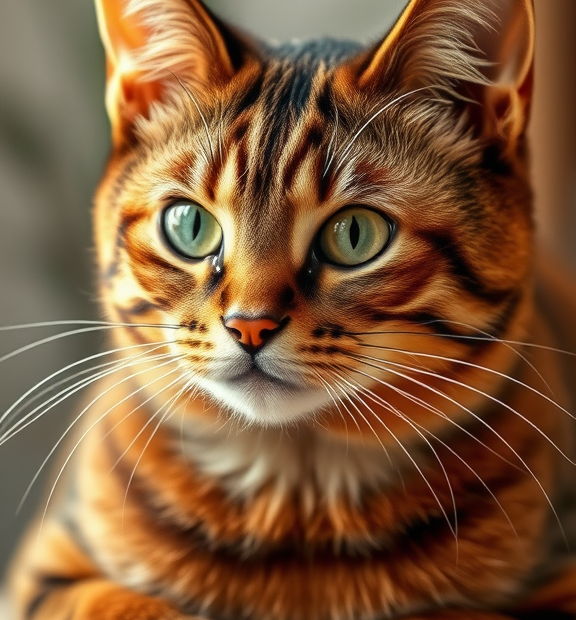
How to Create a Balanced Diet for Your Abyssinian Cat: Essential Nutritional Components
Understanding the Unique Dietary Needs of Abyssinian Cats
Abyssinian cats are a striking, active breed known for their sleek appearance and playful nature. Their vibrant energy and lean physique require a thoughtfully crafted diet to maintain optimal health. Creating a balanced diet for your Abyssinian cat means combining all the essential nutrients in the right proportions, tailored to their specific breed traits.
Because Abyssinians are highly active, their metabolism generally runs faster compared to some other breeds. This means nutritional requirements might be higher or more demanding. Offering a diet that supports their energy needs without leading to excess weight gain or nutritional gaps is critical for longevity and a happy life.
Protein: The Foundation of Your Abyssinian’s Diet
High-quality protein is the cornerstone of a balanced diet for Abyssinian cats. As obligate carnivores, they require protein that primarily comes from animal sources such as chicken, turkey, fish, or lamb. Proteins provide essential amino acids necessary for muscle maintenance, tissue repair, and immune function.
Ensure your cat’s food includes animal-based protein at a minimum level of 30% to support their active lifestyle. Look for ingredients that list named meat sources as the first item. Avoid foods with excessive plant proteins such as soy or corn, which do not offer the same biological value and can be hard on their digestive system.
Fats for Energy and Coat Health
Fats supply concentrated energy and essential fatty acids that are vital for the Abyssinian’s beautiful coat and overall wellness. Omega-3 and Omega-6 fatty acids help maintain skin health, reduce inflammation, and keep the cat’s fur silky and shiny.
A balanced diet should include 15-20% fat content sourced from quality ingredients like fish oil or chicken fat. These fats not only fuel their playful activity but also keep your Abyssinian’s skin supple and fur lustrous.
Carbohydrates: Moderation is Key
While cats do not require carbohydrates to thrive, some commercial cat foods include small amounts as a source of energy and fiber. For Abyssinians, carbohydrates should be kept at a moderate level (5-10%) and come from easily digestible sources like sweet potatoes, peas, or brown rice.
Avoid high-carb diets filled with fillers like corn, wheat, or soy, as these may contribute to obesity and digestive upset. Always prioritize protein and fat over carbohydrates in your cat’s meals.
Vitamins and Minerals Your Abyssinian Needs
Vitamins and minerals play a supporting but essential role in your Abyssinian’s health. Balanced vitamin A, taurine, calcium, phosphorus, and B vitamins contribute to vital processes such as vision, heart function, bone strength, and metabolic efficiency.
Commercial diets labeled as “complete and balanced” by AAFCO standards typically contain the right mix of these nutrients. If you prefer preparing homemade meals, it is vital to consult with a veterinarian to ensure supplementation covers all nutritional bases.
Water: The Overlooked Nutrient
Hydration is often underestimated but remains crucial for cats, including Abyssinians. Always provide fresh, clean water to prevent urinary tract issues and maintain kidney health. Feeding wet food can also help increase water intake, as these cats sometimes drink less than they need.
Crafting a Balanced Feeding Plan
To create a balanced diet for your Abyssinian cat, consider these guiding principles:
- Choose High-Quality Protein Sources: Look for named meats as the main ingredient in commercial food or use fresh meats for homemade meals.
- Include Healthy Fats: Incorporate sources rich in Omega fatty acids to support a glossy coat and boost energy.
- Limit Carbohydrates: Use small amounts of easily digestible carbs and avoid fillers that offer little nutritional value.
- Ensure Vitamin and Mineral Balance: Rely on complete and balanced commercial diets or vet-approved supplementation for homemade meals.
- Provide Plenty of Fresh Water: Hydration supports overall health and aids in digestion and kidney function.
You may want to mix dry kibble with wet food to balance texture and moisture intake, while also providing a varied diet that keeps your Abyssinian interested in their meals.
Monitoring and Adjusting Your Cat’s Diet
Even with a well-planned diet, regular health checks are essential. Monitor your Abyssinian’s weight, coat condition, energy levels, and stool quality to ensure the diet meets their needs. If your cat shows signs of allergies, digestive problems, or weight fluctuation, reassess their dietary components with your vet.
Keep in mind that life stages—kitten, adult, senior—have varying nutritional requirements. Tailor the diet accordingly to match growth, maintenance, or senior health needs. Active Abyssinians may require more calories, while less active cats might need fewer portions to avoid weight gain.
Final Tips for Feeding Your Abyssinian Cat
Consistency and quality count when aiming for a balanced diet. Pay close attention to ingredient labels, stay informed about pet nutrition, and work with your veterinarian to customize a diet plan that fits your Abyssinian’s unique needs. A well-balanced diet doesn’t just fuel their playful personality—it supports a long, vibrant life that you can enjoy together.
Common Dietary Mistakes to Avoid When Feeding Your Abyssinian Cat
Feeding an Abyssinian cat involves more than just offering them food; it requires understanding their unique nutritional needs and avoiding common pitfalls that can impact their health. Abyssinians are active, playful cats that thrive on a diet tailored to their specific requirements. To keep your feline friend healthy and energetic, it’s important to steer clear of certain dietary mistakes that many cat owners unknowingly make.
Overlooking the Importance of Protein
Abyssinians need a protein-rich diet due to their muscular build and high energy levels. Protein supports muscle maintenance and overall health, so feeding your cat low-protein food can harm their growth and vitality. Avoid feeding foods with excessive carbohydrates or fillers, as these reduce the protein percentage and may lead to weight gain or malnutrition.
Look for cat foods where high-quality animal protein, such as chicken, turkey, or fish, is the key ingredient. Avoid generic fillers like corn, soy, or wheat, as Abyssinians do not digest these well and they provide little nutritional value.
Ignoring Age-Appropriate Feeding Needs
Many Abyssinian owners don’t adjust their cat’s diet as they grow. Kittens, adult cats, and seniors have different dietary needs, so it’s critical to provide age-specific food. For example, a kitten requires nutrient-rich, calorie-dense meals to support rapid growth, while an older Abyssinian may need diets lower in calories to prevent obesity.
Switching to the correct formula at the right time can prevent health issues such as obesity, constipation, or kidney problems. Always check the packaging to make sure the food matches your Abyssinian’s life stage.
Feeding Too Many Treats or Human Food
It’s tempting to share your snacks with your Abyssinian, but many human foods are toxic or harmful to cats. Foods such as chocolate, onions, garlic, caffeine, and alcohol should never be given. Even seemingly safe foods might disrupt their digestive system or unbalance their dietary needs.
Overfeeding treats also leads to excessive calorie intake and nutritional imbalances. Treats should not exceed 10% of your cat’s total daily diet. This helps maintain their balanced nutrition without unnecessary weight gain.
Neglecting Hydration Needs
Abyssinians are prone to urinary issues if they don’t drink enough water. Since many cats don’t naturally drink large amounts of water, feeding dry kibble exclusively without supplementing moisture can cause dehydration and urinary tract problems.
Simplify hydration by including wet food in their diet or regularly refreshing their water bowl to keep them interested in drinking. Adding a cat water fountain can encourage your Abyssinian to drink more frequently, helping maintain urinary and kidney health.
Not Maintaining Consistent Meal Portions
Free feeding or leaving food out all day often leads to overeating, especially in sedentary cats. Abyssinians are typically active, but it’s still essential to control portion sizes to avoid obesity and digestive issues.
Portion-controlled feeding at scheduled times supports healthy digestion and weight management. Use feeding guidelines on your cat’s packaging as a baseline and adjust according to their activity levels, weight, and age. Consult your vet if you notice sudden weight changes or unusual eating habits.
Relying Solely on One Type of Food
Though it’s easy to stick to one type of food, offering a mixture of wet and dry food can better meet your Abyssinian’s nutritional requirements. Dry food is convenient and helps maintain dental health but often lacks moisture. Wet food, on the other hand, provides needed hydration and variety in nutrients.
Combining both types ensures balance and variety, reducing the risk of developing nutrient deficiencies or boredom with meals, which can lead to refusal of food.
Skipping Regular Veterinarian Checkups
Regular health checkups allow for dietary adjustments tailored to any medical conditions, allergies, or sensitivities your Abyssinian might develop. Ignoring this step can result in undiagnosed issues that manifest in poor eating habits or nutritional imbalances.
Your vet can recommend specialized diets, supplements, or food brands best suited to your Abyssinian’s evolving health needs.
Using Inappropriate Supplements or Over-Supplementing
Some owners add supplements to their cat’s food without consulting a professional. While certain supplements may benefit your Abyssinian, improper use can cause harm, such as vitamin toxicity or nutrient imbalances.
Only use supplements recommended by your veterinarian and follow the dosage closely. Most high-quality cat foods are formulated to meet all standard nutritional requirements and do not require additional additives unless advised.
Failing to Monitor Your Cat’s Reaction to New Foods
Switching foods abruptly or without monitoring your Abyssinian’s response can lead to digestive upset, vomiting, or diarrhea. New foods should be introduced gradually over 7-10 days by mixing the old and new foods in increasing proportions.
Observe your cat closely for any signs of allergies or intolerance such as itching, licking paws, or gastrointestinal distress. Prompt adjustments can prevent long-term health problems.
Understanding these common dietary mistakes and avoiding them can significantly improve your Abyssinian’s quality of life. By providing a carefully balanced, protein-rich, and age-appropriate diet coupled with proper hydration and feeding practices, you ensure that your lively Abyssinian cat stays healthy and happy for years to come.
Conclusion
Creating a balanced diet for your Abyssinian cat is key to keeping your feline friend healthy, energetic, and happy. By focusing on essential nutritional components—such as high-quality proteins, the right fats, vitamins, and minerals—you provide the fuel your Abyssinian needs to thrive. Remember, their natural lean, muscular build requires nutrient-dense food that supports their active lifestyle.
At the same time, avoiding common dietary mistakes can make a big difference. Feeding your cat too many carbohydrates or relying solely on dry food may lead to health problems like obesity or digestive issues. Overfeeding treats or human food can also upset this delicate balance. Instead, opt for a diet specially formulated for Abyssinians or consult your veterinarian to tailor a meal plan based on your cat’s age, weight, and health condition.
When you pay attention to these details, you help your Abyssinian maintain a shiny coat, strong muscles, and overall vitality. Always monitor your cat’s response to their diet, adjusting as needed to support their unique needs. With careful planning and awareness, you’ll give your Abyssinian the nutrition they deserve—leading to many joyful years together.