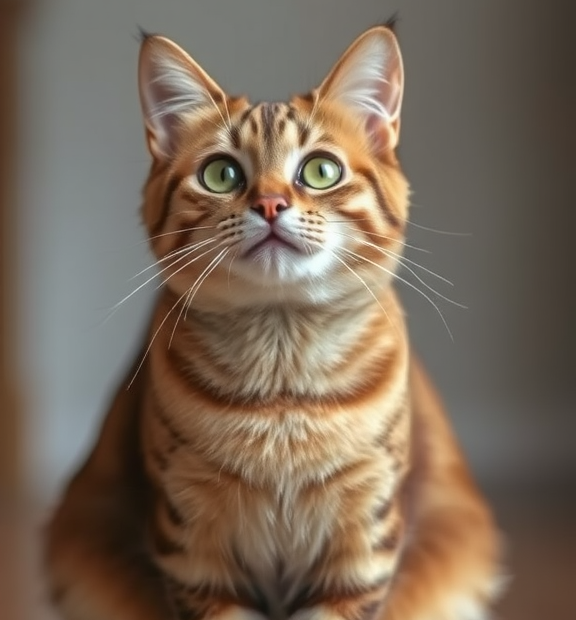
Effective Strategies to Help Your Abyssinian Cat Maintain a Healthy Weight
Understanding the Importance of Weight Management for Abyssinian Cats
Abyssinian cats are known for their sleek, athletic builds and high energy levels. Maintaining a healthy weight is crucial for these active felines to support their muscular frames and vibrant personalities. Overweight Abyssinians can face serious health risks like diabetes, joint problems, and shortened lifespans. Helping your Abyssinian maintain a healthy weight doesn’t just improve their appearance—it boosts their overall well-being, energy levels, and quality of life.
Recognizing a Healthy Weight in Your Abyssinian
Before you can help your Abyssinian maintain a healthy weight, it’s key to know what that ideal weight looks like. Unlike some other cat breeds, Abyssinians are slender but muscular, with a visible waist behind the ribs and a flat tummy area. You should be able to feel their ribs easily without excess fat covering. Watching for changes in body shape or a loss of muscle tone can help you catch potential weight issues early.
Tailoring Your Cat’s Diet for Weight Control
Proper nutrition plays a leading role in managing your Abyssinian’s weight effectively. It’s not just about feeding less but ensuring the food meets their specific needs for a blend of lean protein and healthy fats.
- Choose high-protein foods: Abyssinians need quality protein to maintain lean muscles. Look for cat foods where meat, fish, or poultry is the top ingredient.
- Control portion sizes: Avoid free feeding (leaving food out all day). Measure portions based on the cat’s weight, age, and activity level to prevent overeating.
- Limit treats: Treats should make up no more than 10% of daily calories. Opt for healthy treats or interactive feeding toys to make snacks last longer.
- Include wet food: Wet food can increase water intake and help reduce calorie density, aiding weight control.
Always consult your veterinarian on the best type of diet and ideal daily calorie intake tailored for your Abyssinian. Transitioning slowly to new diets also helps avoid digestive upset.
Encouraging Regular Physical Activity
Exercise is essential for Abyssinians to burn calories and keep their muscles toned. These cats are naturally curious and playful, so engaging them in physical activities is enjoyable for both you and them.
- Interactive toys: Use laser pointers, feather wands, or toy mice to encourage chasing and pouncing.
- Climbing spaces: Install cat trees or shelves that let your Abyssinian climb and explore.
- Scheduled playtime: Aim for at least two 10-15 minute play sessions daily to match their energy levels.
- Enrichment activities: Puzzle feeders and treat-dispensing toys stimulate their minds and bodies simultaneously.
Monitoring Weight and Health Regularly
Keeping track of your Abyssinian’s weight helps spot subtle changes that might indicate overfeeding or health issues. You can weigh them at home using a pet scale or during vet visits. Additionally, watch for changes in behavior, such as reduced activity or increased appetite, which can signal underlying conditions.
Regular veterinary checkups are vital. Your vet can assess your cat’s body condition score, provide weight goals, and suggest adjustments in diet or exercise based on any health concerns.
Addressing Potential Health Issues That Affect Weight
Sometimes weight gain or loss isn’t just about food intake and activity but linked to health problems such as thyroid imbalances, diabetes, or arthritis. If you notice unexpected weight changes in your Abyssinian, seek veterinary advice promptly. Early diagnosis and treatment can prevent complications and help maintain a good weight balance.
Creating a Healthy Routine for Long-Term Success
Consistency is key when helping your Abyssinian maintain a healthy weight. Establish a feeding schedule with measured portions and daily play sessions. Avoid sudden changes in diet and routine, which can stress your cat or lead to erratic eating habits.
Remember, patience is important. Weight management takes time, and slow, steady progress is safer for your cat’s health than rapid weight loss. Celebrate small victories and keep your Abyssinian engaged with love, care, and attention.
By combining a balanced diet, regular exercise, and ongoing monitoring, you can help your Abyssinian cat maintain a healthy weight throughout their life. This proactive approach not only supports their physical health but also deepens the special bond you share.
Understanding the Impact of Diet and Exercise on Your Abyssinian Cat’s Well-being
How Diet Shapes the Health of Your Abyssinian Cat
The Abyssinian cat is known for its sleek, muscular build and playful energy. To maintain this healthy physique, what you feed your Abyssinian plays a crucial role. A well-balanced diet supports their metabolism, keeps their coat shiny, and prevents unwanted weight gain. Feeding your cat high-quality protein is essential since Abyssinians are active and lean cats that need muscle-supporting nutrition.
When selecting food, look for products that list real meat like chicken, turkey, or fish as the first ingredient. Avoid foods high in fillers such as corn, wheat, and soy, which offer little nutritional value and can contribute to obesity. Here are key dietary factors you should consider:
- Protein content: High protein helps maintain lean muscle mass and provides energy for their active lifestyle.
- Fat levels: Healthy fats like omega-3 and omega-6 support skin and coat health but should be given in controlled amounts to prevent excess calories.
- Carbohydrates: Cats have little need for carbs; keep these low to avoid unnecessary calorie intake.
- Portion control: Measure food portions carefully to prevent overfeeding, especially if your cat stays mostly indoors.
Consult your veterinarian to determine the appropriate daily calorie intake based on your Abyssinian’s age, weight, and activity level. Also, consider feeding multiple smaller meals throughout the day, which can help regulate metabolism and prevent begging behavior.
How Exercise Boosts Your Abyssinian Cat’s Well-being
Exercise isn’t just a way to burn calories — for Abyssinians, it’s vital to their mental and physical health. These cats are naturally curious and agile, making playtime a perfect opportunity to keep them active and fit. Regular physical activity helps manage weight by burning off excess energy and preventing obesity-related illnesses like diabetes or joint problems.
Engaging your Abyssinian in daily exercise can improve muscle tone and increase stamina. Because these cats are intelligent and energetic, they benefit from interactive play that stimulates their hunting instincts. Some effective activity ideas include:
- Interactive toys: Feather wands, laser pointers, and small balls encourage chasing and jumping.
- Climbing structures: Cat trees or shelves give your Abyssinian vertical space to explore and climb.
- Puzzle feeders: These toys turn mealtime into a game, encouraging both mental and physical exercise.
- Scheduled play sessions: 10–15 minutes twice daily helps maintain regular activity habits.
When your Abyssinian gets enough exercise, you’ll notice a happier, more engaged cat. This active lifestyle also minimizes destructive behavior caused by boredom. Plus, it supports a lean body mass and healthy joints, which are critical for a long, quality life.
Combining Diet and Exercise for Optimal Weight
Balancing diet and exercise is the cornerstone of maintaining a healthy weight for your Abyssinian. Overfeeding paired with low activity can quickly lead to weight gain, while proper nutrition combined with regular play helps your cat stay trim and vibrant.
Track your Abyssinian’s weight and body condition regularly. You should be able to feel their ribs without heavy fat cover, and they should hold a visible waistline when viewed from above. If you notice your cat gaining excess weight, adjust portion sizes and increase playtime gradually.
A few practical tips to remember:
- Use measured scoops for food to prevent accidental overfeeding.
- Limit treats to less than 10% of your cat’s daily calorie intake.
- Incorporate new toys and puzzles to keep exercise interesting.
- Encourage movement by placing food bowls away from resting areas.
- Schedule regular veterinary checkups to discuss weight and health progress.
Preventing Obesity-Related Health Risks in Abyssinians
Maintaining a healthy weight through diet and exercise is more than just appearance—it protects your Abyssinian from several health problems. Obesity increases the risk of diabetes, arthritis, heart disease, and a shortened lifespan. Overweight cats are also more prone to urinary tract issues and respiratory difficulties.
By prioritizing a nutritious diet along with frequent physical activity, you can help your Abyssinian avoid these complications. Monitor behavioral changes or signs of discomfort, as they can indicate weight-related health concerns. Early intervention with diet adjustments and exercise routines can make a significant difference.
Remember, every Abyssinian is unique. Tailoring their feeding and activity regimen to their individual needs will not only help them maintain a healthy weight but also enhance their overall happiness and well-being.
Conclusion
Helping your Abyssinian cat maintain a healthy weight is key to ensuring a long, happy life filled with energy and vitality. By using effective strategies such as providing a balanced diet tailored to your cat’s needs and encouraging regular exercise, you can support their overall well-being. Remember that portion control and choosing high-quality, nutrient-rich foods play a major role in preventing obesity and related health issues. Alongside nutrition, keeping your Abyssinian active through interactive play and stimulating activities strengthens their muscles and keeps their metabolism in check.
Understanding how diet and exercise work together helps you make informed decisions that benefit your cat every day. When you pay close attention to your Abyssinian’s eating habits and activity levels, you can recognize early signs of weight gain or loss, allowing you to adjust their care promptly. This teamwork approach not only preserves your cat’s physical health but also contributes to their mental happiness. With consistency and care, you create an environment where your Abyssinian thrives, feeling loved and well cared for.
By focusing on these simple but powerful steps, you prevent common weight problems and enhance your cat’s quality of life. Your commitment to their health helps them stay agile and playful for years to come. Taking an active role in your Abyssinian’s diet and exercise routine is one of the best gifts you can give, fostering a balanced lifestyle that benefits both you and your feline companion.