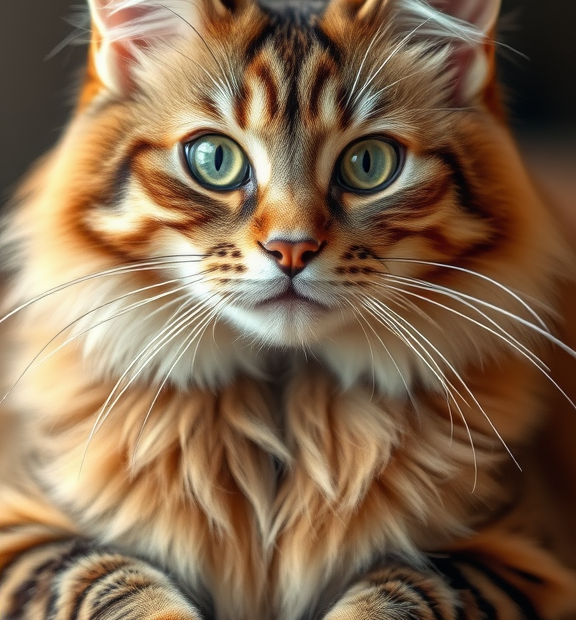
Essential Supplements for Maintaining Your Abyssinian Cat’s Health
Abyssinian cats are known for their sleek, muscular bodies and high energy levels, making it essential to support their unique nutritional needs carefully. While a balanced diet provides the foundation for their well-being, certain supplements can enhance their health by filling nutritional gaps, supporting joint function, boosting immunity, and maintaining a shiny coat. Understanding which supplements you should be giving your Abyssinian cat is key to helping them live a vibrant, active life.
Omega-3 and Omega-6 Fatty Acids
Fatty acids, especially omega-3 and omega-6, are crucial for Abyssinians since their short, dense coats require nourishment to stay silky and healthy. These essential fatty acids also support cognitive function, reduce inflammation, and improve skin health.
Fish oil supplements, containing EPA and DHA (types of omega-3s), are excellent choices. They help prevent dry skin, reduce shedding, and assist in joint health. Make sure the supplement is meant specifically for cats or safe in feline doses, as some fish oils made for humans might not have the correct concentration or additives suitable for cats.
Taurine
Taurine is an amino acid that is critical for all cats, including Abyssinians. It supports heart health, vision, and reproductive function. Since cats cannot produce taurine in sufficient amounts on their own, their diet must supply it.
Though most high-quality cat foods already include adequate taurine, supplementing can be beneficial if your cat has been on a homemade or homemade-like diet. Always consult your vet before adding taurine supplements to ensure the correct dosage.
Glucosamine and Chondroitin
Abyssinians’ playful and active nature puts strain on their joints, especially as they age. To maintain joint flexibility and reduce the risk of arthritis, glucosamine and chondroitin supplements are widely recommended.
These compounds help rebuild cartilage, mitigate inflammation, and improve mobility. Supplements can come in chewable treats or liquid form, which some cats tolerate better. Starting these supplements early can be vital for Abyssinians, as their energetic lifestyle may increase joint wear.
Probiotics
Gut health influences overall wellness, from digestion to immune response. Probiotics support a healthy balance of good bacteria in your Abyssinian’s digestive tract, aiding nutrient absorption and reducing digestive issues such as diarrhea or constipation.
Probiotic supplements come in powders, capsules, or treats formulated specifically for cats. Regular use can help improve stool quality and aid recovery from gastrointestinal disturbances triggered by diet changes or stress.
Vitamin E
Vitamin E functions as an antioxidant, protecting your Abyssinian’s cells from damage caused by free radicals. This vitamin supports immune health and skin integrity, which is especially important if your cat spends time outdoors or is exposed to environmental stressors.
Although vitamin E is present in many cat foods, supplementation may help cats with skin conditions or weakened immunity. Vet consultation is essential to avoid over-supplementing, which can cause imbalances.
Additional Considerations
Not every Abyssinian needs all these supplements, and individual health factors must guide your choices. Before starting any new supplement regimen, it’s best to discuss options with your veterinarian, who can tailor recommendations based on your cat’s age, diet, health status, and lifestyle.
Proper dosage and high-quality products are just as important as the choice of supplements themselves. Avoid giving human supplements to your Abyssinian, as some ingredients safe for people can be toxic to cats.
How to Administer Supplements
Getting your Abyssinian to take supplements can be challenging, but there are strategies to make the process easier:
- Mix powders or liquids into wet food for easier ingestion.
- Choose flavored chews or treats specifically designed for cats.
- Use pill pockets or hide small tablets in soft food bites.
- Be patient and consistent, rewarding your cat gently to associate supplement time with positive experiences.
Remember, the best approach combines a balanced diet, regular veterinary care, and supplements that target your Abyssinian’s specific health needs. With proper attention to their nutritional support, you’ll ensure your elegant feline friend stays lively and healthy for years to come.
Signs Your Abyssinian Cat Might Need Dietary Supplements and How to Choose Them
Recognizing When Your Abyssinian Cat Might Benefit from Supplements
As a loving owner of an Abyssinian cat, you want to ensure your feline companion stays vibrant and healthy. Abyssinians are known for their active, playful nature and sleek coats, but sometimes, nutrition alone might not provide all the necessary support their bodies need. It’s important to understand the signs that indicate when your Abyssinian could benefit from dietary supplements.
One common indicator is a noticeable dullness or thinning in your cat’s coat. Abyssinians typically have rich, glossy fur, so if you observe patchiness, excessive shedding, or a lackluster shine, these could point to deficiencies in essential fatty acids, vitamins, or minerals. Similarly, if your cat is less energetic or seems lethargic compared to their usual lively self, it’s worth considering if their diet is meeting all nutritional requirements.
Other signs include digestive issues such as frequent vomiting, diarrhea, or constipation. These symptoms might signal that your Abyssinian’s gut health needs additional support. Furthermore, skin irritations, excessive scratching, or the development of bald spots can reflect allergic reactions or nutritional gaps. If your cat experiences slow healing from wounds or infections, it might also be a sign they require immune-boosting supplements.
Dental problems, including bad breath, inflamed gums, or difficulty eating, can indicate a need for supplements that support oral health. Similarly, joint stiffness or stiffness while moving, especially in older Abyssinians, could mean they would benefit from supplements that promote joint function and comfort.
What to Consider When Choosing Supplements for Your Abyssinian
Choosing the right dietary supplements for your Abyssinian cat requires careful thought and a focus on quality. Before adding anything new to your cat’s regimen, it’s crucial to consult with a veterinarian. A professional can assess if supplements are needed and guide you on the best types and dosages.
When selecting supplements, prioritize formulas specifically designed for cats, since their nutritional needs differ significantly from other animals. Avoid human supplements, which may contain ingredients harmful to cats. Look for products that list key nutrients clearly: omega-3 and omega-6 fatty acids, vitamins A, E, and B-complex, taurine, antioxidants, and minerals like zinc and selenium.
Supplements that support coat and skin health typically include omega fatty acids, which reduce inflammation and promote a shiny, strong coat. Adding fish oil or flaxseed oil supplements rich in omega-3s can be especially beneficial for Abyssinians with dry or flaky skin.
For digestive health, probiotics and prebiotics can help balance gut flora, improving nutrient absorption and reducing gastrointestinal distress. These supplements often come in powder or capsule form and can be mixed into your cat’s food.
If joint issues are a concern, especially in aging Abyssinians, look for supplements containing glucosamine, chondroitin, and MSM (methylsulfonylmethane). These ingredients support cartilage repair and reduce inflammation, enhancing mobility.
Multivitamins made especially for cats offer a balance of trace elements and vitamins that bolster overall wellbeing, immune function, and vitality. Always check for natural ingredients and avoid artificial colors, flavors, and preservatives.
Practical Tips for Introducing Supplements to Your Abyssinian
Once you have chosen appropriate supplements, the next step is to incorporate them smoothly into your cat’s routine to ensure they get maximum benefits.
- Start gradually: Begin by mixing a small amount of the supplement into your cat’s food and gradually increase to the recommended dose.
- Use palatable forms: Many supplements come as flavored chews or liquids that cats enjoy. If your Abyssinian is a picky eater, try to choose a form they accept easily.
- Consistency is key: Administer the supplement at the same time every day to maintain steady benefits.
- Monitor reactions: Watch for any adverse effects, such as vomiting or changes in appetite, and consult your vet if you notice anything concerning.
- Combine with proper diet: Supplements should enhance a balanced, high-quality diet and not replace it.
When Supplements Are Not the Answer
While supplements can be tremendously helpful, it’s essential to remember they are not a cure-all. Persistent health issues warrant a thorough veterinary evaluation to diagnose underlying problems such as allergies, infections, or systemic illnesses. Relying solely on supplements without professional guidance may mask symptoms and delay proper treatment.
In some cases, your vet may recommend specific prescription supplements or therapeutic diets tailored to your Abyssinian’s unique health needs. Always seek expert advice before making changes to your cat’s health routine.
By paying attention to your Abyssinian cat’s behavior, coat quality, digestion, and mobility, you can detect early signs that dietary supplements might be necessary. Choosing well-formulated supplements with guidance from your vet and introducing them carefully will help ensure your Abyssinian thrives with optimal nutrition tailored just for them.
Conclusion
Taking good care of your Abyssinian cat means paying close attention to their diet and overall health. Essential supplements, such as omega-3 fatty acids, taurine, and vitamins, can play a vital role in keeping your cat energetic, supporting a shiny coat, and promoting a strong heart. Recognizing when your Abyssinian might need extra nutritional help is equally important. Symptoms like a dull coat, low energy, or digestive issues can signal that supplements could be beneficial. Always choose supplements carefully by consulting with your veterinarian to ensure they suit your cat’s specific needs.
By staying informed about the right supplements and watching for any signs of nutritional gaps, you can help your Abyssinian enjoy a long, happy, and healthy life. Remember, supplements are meant to support a balanced diet, not replace it. With thoughtful care and the proper nutrients, you’re setting your Abyssinian up for the best well-being possible.