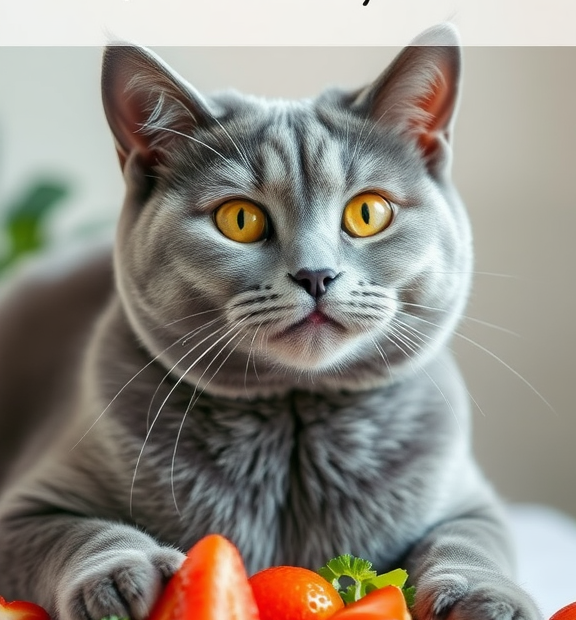
Essential Healthy Eating Tips for Your Russian Blue Cat’s Diet
Understanding the Nutritional Needs of Your Russian Blue Cat
Russian Blue cats are known for their graceful appearance, striking green eyes, and plush blue-gray coat. These cats are not only beautiful but also have distinct dietary needs that contribute to their health and vitality. Feeding your Russian Blue cat the right food helps maintain their muscle tone, supports their metabolism, and keeps their coat shiny and soft. It’s important to recognize that a balanced diet tailored specifically for this breed plays a critical role in preventing common health issues such as obesity and kidney problems.
High-protein diets are essential for Russian Blue cats due to their active and muscular build. Proteins from animal sources like chicken, turkey, and fish supply necessary amino acids for muscle maintenance and overall wellbeing. Additionally, fats are a vital source of energy and support skin and coat health. However, it’s equally important to avoid excessive fats that may lead to weight gain.
Choosing the Right Cat Food
When selecting commercial cat food, look for products that list high-quality animal protein as the first ingredient. Avoid foods that rely heavily on fillers like corn, soy, or wheat, as these can contribute to digestive issues and do not provide adequate nutrition for your Russian Blue’s unique requirements. Wet food formulas often contain higher moisture levels, which is beneficial for hydration and kidney health—two areas you want to pay close attention to in this breed.
If you prefer dry kibble, ensure it has balanced nutrients and complements wet meals. A mix of wet and dry food can promote dental health and provide variety that keeps your cat interested in meals. When buying canned or packaged foods, check the labels for essential fatty acids like omega-3 and omega-6, vitamins, minerals, and taurine—a vital amino acid necessary for heart and eye health.
Homemade Diets: A Thoughtful Approach
Some cat owners choose to prepare homemade meals to have full control over their pet’s diet. If you’re considering this, it’s crucial to research recipes specifically designed for cats to ensure they meet the dietary demands of your Russian Blue. Consult with a veterinarian or feline nutritionist to create well-balanced meals that provide all essential nutrients.
A homemade diet typically includes cooked or raw meats, controlled amounts of vegetables, and supplements like taurine and fish oil. Avoid feeding onions, garlic, chocolate, or dairy products as these can be toxic to cats. Maintaining consistency in portion sizes and nutritional content helps prevent deficiencies or excesses that may affect the cat’s health.
Feeding Schedule and Portion Control
Russian Blue cats thrive on regular feeding schedules. Establish consistent meal times, such as twice daily, to promote digestive health and help manage weight. Free feeding, where food is available all day, can lead to overeating and obesity, especially in less active cats of this breed.
It’s important to monitor portion sizes carefully. Overfeeding contributes to weight gain and related health risks. Use measuring cups to provide accurate servings based on your cat’s weight, age, and activity level. Adjust quantities periodically depending on growth stages or changes in activity.
Hydration: A Key Component
Water is a frequently overlooked but essential part of your Russian Blue’s diet. Proper hydration supports kidney function and overall health. Encourage your cat to drink by providing clean, fresh water at all times. Some cats prefer running water, so investing in a cat water fountain might increase their fluid intake.
Including wet food in their diet boosts hydration naturally, which is particularly beneficial for preventing urinary tract problems common in many cats. Pay attention to your pet’s drinking habits and consult a vet if you notice they are drinking excessively or too little.
Foods to Avoid for a Russian Blue Cat
Although your Russian Blue cat might beg for snacks or table scraps, it’s critical to avoid certain foods that are harmful to felines:
- Onions and Garlic: These can cause anemia and digestive upset.
- Chocolate and Caffeine: Both are toxic and can lead to severe health issues.
- Grapes and Raisins: Linked to kidney failure in cats.
- Dairy Products: Many cats are lactose intolerant, leading to stomach upset.
- Raw Dough or Uncooked Meat: Potential for bacterial infections and parasites.
Being aware of these toxic foods helps you protect your Russian Blue from avoidable health emergencies.
Special Considerations for Aging Russian Blue Cats
As your Russian Blue cat ages, their diet may need adjustment to accommodate decreased metabolism and changing health conditions. Senior cats benefit from diets lower in calories but rich in high-quality protein to preserve muscle mass. Supplements such as antioxidants and joint-supporting ingredients like glucosamine may be recommended.
Regular vet checkups can help determine if your aging Russian Blue requires a specialized diet or additional nutrients to maintain their quality of life. Monitoring weight and appetite changes allows for early intervention when dietary modifications are necessary.
Maintaining a Healthy Weight
Keeping your Russian Blue cat at an optimal weight is crucial. Obesity increases the risk of diabetes, arthritis, and heart disease. Utilize the following tips to help your cat stay fit:
- Feed balanced portions and avoid free feeding.
- Incorporate interactive play to boost activity levels.
- Limit treats to healthy, low-calorie options and keep them occasional.
- Regularly weigh your cat and adjust food intake as needed.
By supporting your cat’s diet with physical exercise and thoughtful feeding habits, you contribute to a longer, healthier life.
Consulting Your Veterinarian
Ultimately, the best approach for feeding your Russian Blue cat involves collaboration with your veterinarian. They can provide personalized advice based on your cat’s age, lifestyle, and health status. Regular health screenings help identify dietary adjustments that can prevent illness or address existing conditions.
Never hesitate to ask questions about commercial or homemade diets, supplements, and feeding techniques to ensure your beloved Russian Blue lives a vibrant and healthy life.
Common Nutritional Mistakes to Avoid for Your Russian Blue Cat’s Well-being
When caring for a Russian Blue cat, paying close attention to its diet plays a major role in ensuring long-term health and happiness. This breed, known for its sleek, silver-blue coat and intelligent nature, thrives when fed properly. However, many cat owners unintentionally make nutritional errors that can harm their Russian Blue’s well-being. Recognizing and avoiding these common pitfalls helps your feline friend maintain optimal health, a shiny coat, and balanced energy levels.
Understanding Your Russian Blue’s Unique Nutritional Needs
Russian Blue cats have a lean, muscular build and tend to be more active and playful. This means their diet must provide ample protein and essential nutrients to support muscle development and stamina. A diet rich in animal-based protein, moderate fat, and minimal carbohydrates is ideal. Feeding your cat from generic or inappropriate food options made for all cat breeds can lead to nutrient imbalances specifically harmful to Russian Blues.
Feeding Too Much Commercial Dry Food
Many pet owners rely heavily on dry kibble due to its convenience. However, dry food often has a higher carbohydrate content to preserve shelf life, which is not suitable for obligate carnivores like the Russian Blue. Excess carbs can result in weight gain, digestive issues, and long-term metabolic problems. Another concern is dehydration since kibble contains very little moisture compared to wet food. Without sufficient water intake, urinary tract issues may arise.
How to Avoid This:
- Incorporate high-quality wet food or raw diet supplements to boost moisture intake.
- Choose dry formulas labeled as grain-free or those specifically formulated for low-carb intake.
- Ensure fresh water is always available and encourage drinking by adding water fountains or flavored water.
Overfeeding and Lack of Portion Control
Russian Blue cats are prone to obesity if overfed or given too many treats. Overweight cats face health risks like diabetes, joint problems, and reduced lifespan. Many owners do not measure portions accurately or allow free feeding, which often leads to overeating.
Effective Strategies:
- Follow packaging feeding guidelines strictly, adjusting for your cat’s age, activity level, and weight.
- Feed multiple small meals throughout the day rather than leaving food out all the time.
- Limit treats to occasional rewards, not daily staples.
Neglecting Essential Nutrients and Supplements
Some diets lack vital nutrients like taurine, omega fatty acids, vitamins, and minerals, which are especially important for Russian Blue cats. Taurine deficiency, for example, can cause severe heart and eye problems. Omega fatty acids contribute to their shiny coat and healthy skin. Skipping these nutrients may lead to dull fur, poor immunity, and chronic health issues.
Tips to Ensure Adequate Nutrition:
- Choose reputable cat food brands that guarantee complete and balanced nutrition.
- Consult a veterinarian before adding supplements to your cat’s diet to avoid imbalances.
- Include fish oil or specially formulated feline supplements where necessary for extra skin and coat support.
Offering Unsafe Human Foods
It’s tempting to share bits of your own meals with your Russian Blue, but many human foods can cause stomach upset, toxicity, or long-term damage. Foods like onions, garlic, chocolate, caffeine, alcohol, and grapes are toxic to cats. Even dairy, although stereotypically associated with cats, often causes digestive distress due to lactose intolerance. Avoid sharing unhealthy scraps that could harm your cat’s health.
Better Alternatives:
- Provide cat-safe treats designed to meet their dietary needs.
- Use small portions of cooked lean meats as occasional wholesome treats.
- Always keep toxic foods well out of reach.
Ignoring Age and Health Condition Adjustments
As your Russian Blue ages or develops health conditions, its dietary needs change. Kittens require nutrient-dense, higher-calorie food to fuel growth. Senior cats often benefit from diets lower in calories but rich in joint-supporting compounds. Cats with kidney issues need lower protein and phosphorus levels. Feeding the same diet without adjustments can worsen health conditions.
What You Should Do:
- Schedule regular vet check-ups and discuss diet changes as your Russian Blue ages.
- Use specialized veterinary diets if your cat has specific health concerns.
- Monitor your cat’s weight, activity, and coat condition regularly to detect dietary issues early.
Final Thoughts on Feeding Your Russian Blue
Maintaining your Russian Blue’s well-being means more than picking any cat food off the shelf. Avoiding common nutritional mistakes, such as overfeeding, relying solely on dry food, neglecting essential nutrients, or sharing harmful human foods, can prevent many health problems. Instead, focus on a balanced, species-appropriate diet that fits your cat’s life stage and health status. With careful attention to their unique needs, you’ll support your Russian Blue’s vitality, longevity, and signature beauty for years to come.
Conclusion
Caring for your Russian Blue cat’s diet is key to ensuring they live a happy and healthy life. By focusing on essential healthy eating tips, such as providing balanced meals rich in high-quality proteins and avoiding fillers, you support your cat’s unique nutritional needs. Remember to include regular portions of wet food to maintain hydration and promote urinary tract health, which is particularly important for this breed. Additionally, fresh water should always be available to keep your Russian Blue well-hydrated and energetic.
At the same time, steering clear of common nutritional mistakes is just as crucial. Avoid overfeeding or giving too many treats, which can lead to weight gain and other health problems. Resist the temptation to share human food that may contain harmful ingredients like onions or garlic. Also, understand that sudden changes in diet can upset your cat’s digestive system, so introduce new foods gradually.
By combining these healthy eating practices with mindful choices, you create a supportive environment for your Russian Blue’s overall well-being. Paying attention to their diet not only balances their energy levels but also enhances their beautiful coat, sharpens their immune system, and prevents common diseases. When you nourish your cat thoughtfully, you build a strong foundation for many joyful years together. Keep these tips in mind every day, and your Russian Blue will thank you with purrs, playfulness, and good health.