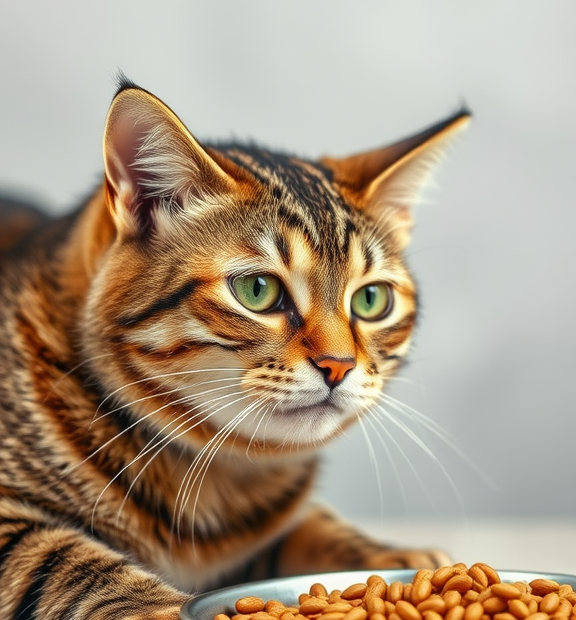
Evaluating the Benefits and Drawbacks of Switching to the Cheapest Grain-Free Cat Food
Switching your cat to grain-free food can raise several questions, particularly when considering cost. If you’re thinking about choosing the cheapest grain-free cat food, it’s important to weigh the potential benefits and drawbacks. Understanding these aspects will help you decide if this option is right for your feline friend.
Benefits of Grain-Free Cat Food
Grain-free cat food is growing in popularity among pet owners for several reasons:
- Improved Digestion: Cats are obligate carnivores, which means they thrive on a meat-based diet. Grain-free options often include higher protein content and fewer fillers, leading to better digestion.
- Allergy Relief: Some cats are allergic or sensitive to grains. Switching to grain-free food may help relieve symptoms like itching, gastrointestinal distress, or skin issues.
- Enhanced Energy Levels: Many owners report that their cats seem more lively and energetic when switched to a grain-free diet. This can be attributed to the higher-quality ingredients and protein sources.
- Weight Management: Grain-free cat food typically contains fewer carbohydrates, which may benefit weight management by reducing calorie intake while increasing protein levels.
Drawbacks of Cheapest Grain-Free Options
While there are benefits, opting for the cheapest grain-free cat food also has its challenges:
- Quality Concerns: Cheaper food might include lower-quality ingredients. Even if it’s grain-free, it’s crucial to ensure that it contains adequate protein and essential nutrients to meet your cat’s needs.
- Long-Term Health Risks: There have been discussions about the potential links between grain-free diets and health issues like heart disease. Always consult with a veterinarian before making significant changes to your cat’s diet.
- Nutritional Balance: Not all grain-free brands provide a complete and balanced diet. You must check for AAFCO (Association of American Feed Control Officials) statements on the label to ensure it meets the necessary dietary standards.
- Transition Difficulties: Cats can be picky eaters. Transitioning from traditional cat food to a new grain-free option might result in food refusal or digestive upset if not done gradually.
Is it Right for Your Feline?
Deciding whether to switch your cat to the cheapest grain-free food depends on a few factors:
- Cat’s Current Health: If your cat has health issues or dietary restrictions, consulting with a vet is essential before making any changes. Your vet can recommend specific brands based on your cat’s unique needs.
- Age and Activity Level: Younger and more active cats may benefit from a high-protein, grain-free diet; however, senior cats with specific health concerns might require a different balance.
- Belly Sensitivity: If your cat has a history of digestive issues, a grain-free diet might help. Monitor how they respond to the new food, and note any changes in their health or behavior.
Making the Switch
If you decide to go ahead with a grain-free switch, keep the following tips in mind to make the transition smoother:
- Gradual Transition: Mix the old food with the new over a week or two. Start with a small amount of grain-free food and gradually increase the ratio until it’s fully switched.
- Watch for Reactions: Observe your cat for any adverse reactions, like vomiting or diarrhea. If issues arise, return to the old food and consult a vet.
- Read Labels: When choosing a grain-free option, don’t just focus on the price. Look for brands that are transparent about their ingredients and provide adequate nutritional information.
The decision to switch to the cheapest grain-free cat food should involve careful consideration of your cat’s specific needs and health status. Balancing cost with quality will ensure your feline friend receives the best nutrition possible. Always prioritize your cat’s health and well-being when choosing food options.
Understanding Grain-Free Diets: Are They Ideal for Your Cat’s Health?
When it comes to your cat’s diet, choosing the right food can be a daunting task. You might have heard a lot about grain-free diets and wondered if they are necessary or beneficial for your feline friend. Let’s dive into what grain-free cat food means and whether it’s a suitable choice for your cat’s health.
Grain-free cat food is exactly what it sounds like—food that doesn’t include grains like corn, wheat, and soy. Many pet owners are turning to these diets, believing they better mimic a cat’s natural diet, which consists mainly of protein from meats and isn’t high in carbohydrates. So, what are the potential benefits and drawbacks of switching your cat to a grain-free diet?
Benefits of Grain-Free Diets
Just like us, cats have unique dietary needs. A grain-free diet offers several pros:
- Natural Ingredients: Many grain-free options are made with high-quality protein sources such as chicken, turkey, or fish.
- Better Digestion: Some cats may struggle with digesting grains, leading to problems like gas or upset stomach. Grain-free diets might be easier for them to handle.
- More Protein: Grain-free foods often contain higher levels of protein, which can be beneficial for muscle maintenance and overall energy levels.
- Weight Management: Cats are obligate carnivores, meaning their bodies are designed for a high-protein, low-carb diet. Grain-free foods may support a healthy weight, particularly in less active cats.
- Reduced Allergens: If your cat has allergies, grains might be the culprit. Switching to grain-free can reduce exposure to potential allergens.
Is Grain-Free Food Right for Your Cat?
Not all cats will benefit from grain-free diets. Here are some factors to consider:
- Health Conditions: If your cat has specific health issues, such as diabetes or pancreatitis, a grain-free diet might not be the best choice. Always consult your veterinarian beforehand.
- High-Calorie Intake: Grain-free foods can sometimes be calorie dense, so it’s essential to monitor your cat’s weight to prevent obesity.
- Balanced Nutrition: It’s critical to ensure that a grain-free diet meets all your cat’s nutritional needs. Look for products that are nutritionally balanced and approved by the Association of American Feed Control Officials (AAFCO).
Things to Watch Out For
Before making the switch, be sure to keep these points in mind:
- Gradual Transition: Cats can be finicky eaters. To avoid digestive upset, introduce the new grain-free food gradually over 7 to 10 days.
- Monitoring Health: Watch for any allergic reactions, changes in bowel movements, or overall health during the transition. If something seems off, consult with your vet.
- Quality Matters: Not all grain-free cat foods are created equal. Always pick well-known brands or consult your vet for recommendations on quality products.
Cost Considerations
While many grain-free options can be more expensive, there are cheaper alternatives available. You can find budget-friendly grain-free cat foods that provide balanced nutrition without breaking the bank. Review the ingredient list and nutrients to ensure you choose a healthy option that fits your budget.
Conclusively, grain-free diets can offer benefits for many cats, especially those with specific sensitivities. Understanding your cat’s individual needs is vital before making a decision. Consulting with your vet will help you navigate the options available and find the right fit for your fur baby.
Whether or not to switch to a grain-free diet depends largely on your cat’s specific needs and health conditions. Take your time, do your research, and always prioritize your cat’s well-being to ensure they thrive.
Conclusion
Choosing the right cat food is a significant decision that can impact your feline’s health and happiness. Evaluating the benefits and drawbacks of switching to the cheapest grain-free cat food helps you make an informed choice tailored to your pet’s needs. Grain-free diets can offer advantages, such as better digestibility and potential allergen reduction, which may be beneficial for some cats. If your cat has specific grain sensitivities or allergies, this type of food could provide relief and promote better overall health.
However, it is essential to understand that not all cats will thrive on a grain-free diet. For many felines, carbohydrates from grains can play a role in a balanced diet. Before making any changes, consult your veterinarian to see if grain-free food aligns with your cat’s individual health requirements. You want to ensure that your cat receives all the necessary nutrients, and sometimes the most affordable options may not offer the best nutritional profile.
Ultimately, the decision to switch to the cheapest grain-free cat food should be carefully considered. Weigh the costs against the potential health benefits and consult with a professional to determine the most suitable dietary option. By prioritizing your cat’s health and well-being, you can find a food that not only fits your budget but also keeps your furry friend healthy and thriving. Always keep an eye on their reaction to the new diet, as gradual transitions and attentive monitoring play crucial roles in ensuring a successful switch.