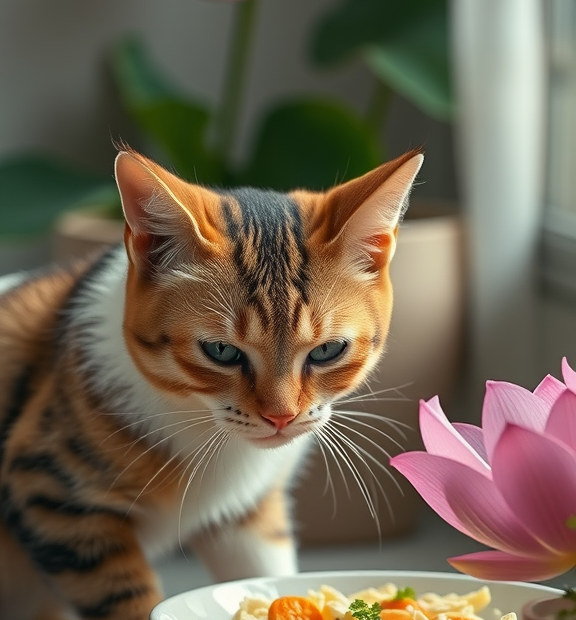
Strategies to Create a Calm Mealtime Environment for Lotus Cat Food and Addressing Cat Eating Problems
Creating a calm mealtime environment for your cat is essential, especially when dealing with picky eaters or stomach-related issues. If you’re using Lotus Cat Food and your feline friend is having difficulties eating, there are strategies you can implement to help alleviate these problems.
Understanding the Eating Behavior of Cats
Cats can be finicky creatures, and numerous factors may influence their eating habits. Stress, anxiety, and external disturbances can lead to eating problems. Understanding these behaviors can help you craft a more serene mealtime setting.
Set Up a Consistent Feeding Schedule
Establish a regular feeding routine. Cats thrive on consistency, so try to feed them at the same times every day. This predictability can help minimize anxiety and let your cat know what to expect. You might consider:
- Feeding your cat twice a day—morning and evening.
- Using a timer to set feeding reminders, if necessary.
- Preparing their Lotus Cat Food in advance to keep the routine smooth.
Create a Comfortable Feeding Area
Design a specific spot in your home for mealtime. This area should be quiet and free from disruptions. A designated place can turn feeding time into a comforting ritual rather than a stressful event. Here are some tips to enhance the feeding area:
- Choose a low-traffic area away from loud noises, such as TV or heavy foot traffic.
- Provide a cozy bed nearby for comfort if your cat prefers to eat while lounging.
- Ensure the space is clean and free from any unpleasant odors.
Maintain the Right Food Temperature
Cats can be particular about the temperature of their food. Lotus Cat Food can be served at room temperature to make it more appealing. Here’s what to do:
- Remove food from the refrigerator at least 30 minutes before serving.
- Warm it slightly in the microwave (make sure it’s not too hot) or by placing the dish in warm water.
- Always check the temperature before serving to avoid burns.
Minimize Distractions During Mealtime
Felines can get easily distracted. If your cat is eating and something catches its attention, it may lose interest in its food. Here are ways to limit distractions:
- Close doors or gates to separate them from other pets during feeding times.
- Turn off the TV or music to create a peaceful environment.
- Avoid your own distractions like phone calls or loud conversations while your cat eats.
Incorporate Interactive Feeding Techniques
Engaging your cat in a fun way may alleviate their eating problems. Consider using puzzle feeders or slow-feed bowls designed for cats to stimulate their instincts. These devices not only encourage eating but also keep them entertained.
Observe Square or Plate Sizes
Sometimes, the nature of the food bowl can affect a cat’s willingness to eat. Using wider, flatter dishes for Lotus Cat Food can help your cat access the food more comfortably. Cats generally prefer dishes that can accommodate their whiskers without discomfort. Here’s what to consider:
- Select the right size that helps avoid whisker fatigue.
- Ensure the dish is easy to clean, especially if using wet food.
- Consider using ceramic or stainless steel bowls as they are easier to clean and help maintain hygiene.
Monitor Your Cat’s Health
If your cat has ongoing eating problems, it is crucial to consult your veterinarian. Health issues or food sensitivities can cause aversions to particular foods. A vet can help identify any underlying health concerns and provide solutions suitable for your cat’s needs.
Creating a calm mealtime environment is essential for your cat’s overall well-being. By implementing these strategies, you’ll help reduce anxiety around feeding and encourage a more relaxed attitude towards eating Lotus Cat Food. Your cat deserves a pleasant dining experience, and with a little effort, you can provide that.
Understanding the Behavioral Factors that Influence Your Cat’s Eating Habits
It’s common for cat owners to wonder why their feline friends have particular eating habits. Understanding the behavioral factors influencing your cat’s eating preferences can aid in improving their mealtime experience. Cats are creatures of habit, and various factors can affect their eating behavior, from their environment to psychological triggers.
One significant element that influences a cat’s eating habits is their natural instinct. Cats are predators by nature, driven by their instincts to hunt and consume food. This predatory lifestyle affects how they approach eating. Some cats may prefer small, frequent meals throughout the day rather than a single larger portion. You might find that your cat enjoys chasing after their kibble, mimicking their hunting behavior. Providing puzzle feeders or interactive toys can engage this natural instinct while slowing down their eating pace.
Another behavioral factor is stress. Just like humans, cats can experience anxiety, which can greatly impact their eating habits. Stressors in your cat’s environment, such as loud noises or changes in the household (like a new pet or a move), can lead to decreased appetite or changes in eating routines. Creating a calm mealtime environment is essential. Consider finding a quiet, safe place for your cat to eat, where they won’t be disturbed by other pets or household activity. This safe zone can help your cat feel secure and encourage more regular eating behavior.
Territoriality can also play a role in your cat’s eating habits. Cats are territorial creatures, and they may feel stressed or threatened if they perceive another animal as a competitor. If multiple pets share a home, one cat might avoid their food bowl if the other is nearby. To alleviate this situation, consider feeding your cats in separate rooms or at different times. Providing each cat with their own space during mealtime can help reduce competition and encourage more relaxed eating.
The type of food you offer can significantly influence your cat’s eating behavior. Cats are often particular about texture, flavor, and even the shape of their food. Observe whether your cat seems to have favorites among canned, dry, or raw food. If they refuse to eat certain types, try different brands or flavors to find what excites their palate. Remember, an enticing aroma can also encourage your cat to eat. Warming up canned food slightly can enhance its scent, making it more appealing.
Nutrition plays a pivotal role too. A well-balanced diet tailored to your cat’s age, weight, and health condition is crucial. If you’re unsure of your cat’s dietary needs, consult your veterinarian for specific recommendations. If your cat’s food does not meet their nutritional needs, they may lack energy or enthusiasm for eating, leading to changes in their habits over time.
It is essential to pay attention to the feeding rituals as well. Cats thrive on routine and often feel more comfortable when mealtime follows a predictable pattern. Make an effort to feed your cat at the same times every day. This predictability can help instill confidence and security and can lead to a more relaxed eating experience. Remember to keep meals consistent, as varying the schedule or type of food can disrupt their habits.
Physical health can directly affect eating behavior. If your cat suddenly stops eating or changes their eating patterns, it might be time for a vet visit. Health conditions such as dental issues, gastrointestinal problems, or systemic diseases can lead to reluctance to eat. Regular check-ups can help catch these issues early, leading to a happier, healthier kitty.
Creating a peaceful mealtime environment can lead to better eating habits for your feline friend. By understanding the behavioral influences affecting your cat’s eating, you can take steps to ensure their mealtime is a stress-free part of their day. From dietary choices to the feeding environment, nurturing your cat’s unique preferences can significantly improve their overall well-being. Remember, it’s not just about the food; it’s also about creating a setting that allows your cat to feel comfortable and secure. 작은 변화로 큰 차이를 만들 수 있습니다!
Conclusion
Creating a serene mealtime environment for your cat is essential, especially when serving high-quality nutrition like Lotus Cat Food. By strategically implementing various approaches, you can transform mealtime into a peaceful experience for your feline friend. This not only encourages a healthier appetite but also tackles any specific eating problems that may arise.
Understanding the behavioral factors influencing your cat’s eating habits is key to tailoring this environment. Cats are sensitive creatures, and external stressors can deter them from enjoying their meals. Identifying triggers—be it loud noises, the presence of other pets, or chaotic surroundings—allows you to make necessary adjustments.
In addition, ensuring that feeding rituals align with your cat’s natural instincts can enhance their mealtime experience. Offers food at the same times daily, provide a quiet feeding space, and consider using interactive feeders that stimulate their hunting instincts. These small changes can yield significant improvements in your cat’s eating behavior.
By being attentive to your cat’s needs and behaviors, you can cultivate a nurturing atmosphere that promotes a positive relationship with food. As you put these strategies into practice, remember that patience and consistency are your allies. Over time, you will likely see a transformation not just in your cat’s eating habits, but also in their overall well-being. Happy feeding!