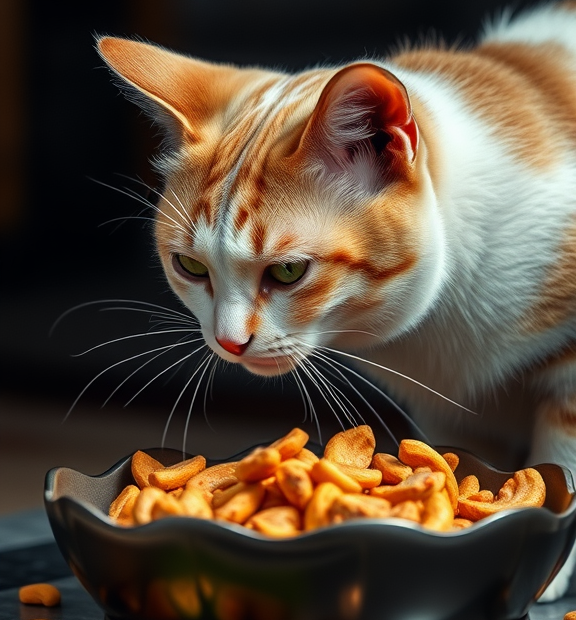
Managing Multi-Cat Meal Dynamics: Solutions for Lotus Cat Food Eating Issues
When you have multiple cats, feeding them can sometimes feel like a battle. Each cat has its own distinct personality and preferences, making meal times a challenge. If you’re using Lotus Cat Food and wondering how to manage these dynamics effectively, you’re not alone. Many cat owners face similar eating issues, especially when it comes to making sure every cat gets their fair share of food. Here are some strategies to help you maintain harmony at mealtime.
Understanding Your Cats’ Eating Behaviors
To tackle eating problems effectively, start by understanding your cats’ individual behaviors. Consider these aspects:
- Feeding Preferences: Some cats may prefer wet food, while others like dry. Observe what your cats gravitate towards.
- Social Dynamics: Cats often have a hierarchy. Knowing which cat is dominant can help you manage feeding times better.
- Health Needs: Some cats might have dietary restrictions or health issues that affect their eating habits. Tailor their meals accordingly.
Establishing Meal Times
Routine is essential for cats. They thrive on consistency, and setting regular meal times can help reduce anxiety during mealtime. Consider the following suggestions:
- Scheduled Feeding: Set times to feed your cats daily. This can prevent food policing and give each cat a chance to eat without stress.
- Portioned Meals: Measure out portions based on your cats’ dietary needs to avoid overindulgence and ensure everyone has enough.
- Location Matters: Place food bowls in quiet, distinct areas to prevent overcrowding and create safe zones for cats that are more reserved.
Using Lotus Cat Food Effectively
Lotus Cat Food offers high-quality ingredients that can cater to diverse preferences. Here’s how to make the most out of it:
- Variety of Flavors: Rotate through different flavors to keep things interesting. Just like humans, cats appreciate variety!
- Mixing Textures: Combine wet and dry Lotus Cat Food to appeal to different preferences. This could make mealtime more enticing for everyone.
- Gradual Introductions: If introducing a new formula or flavor, do it gradually. Mix in a small amount with their current food until they are accustomed to it.
Addressing Competitive Behavior
Some cats may be more assertive during feeding times, leading to tension. If you notice aggression or bullying over food, here are strategies to implement:
- Separate Feeding Areas: Designate individual feeding spaces for each cat. This can reduce competition and allow them to eat peacefully.
- Slow Feeders: Use slow feeder bowls that require cats to work for their food. This can discourage fast eaters from finishing first.
- Feeding for Affection: Make meal times a pleasant experience. Offer praise and slow, gentle interaction to reduce anxiety or aggression.
Monitor Each Cat’s Health
Keeping an eye on your cats’ eating habits is vital for their health. Look out for:
- Weight Changes: Monitor their weight regularly to ensure they are eating appropriately. Adjust meal portions based on their health needs.
- Behavioral Changes: If a cat suddenly starts eating less or more, this could indicate health issues that may require veterinary attention.
- Hydration: Make sure each cat has access to fresh water, as hydration is equally important during mealtime.
Managing meal dynamics in a multi-cat household using Lotus Cat Food doesn’t have to be overwhelming. By understanding your cats, establishing a consistent routine, and addressing competitive behaviors, you can create a harmonious feeding environment. Watching your cats thrive at mealtime will not only ease your worries but also enhance their overall well-being.
Understanding Feline Behavior: Tips for Improving Meal Time in Multi-Cat Households
Managing feeding time in a multi-cat household can be a challenge. With different personalities, varying eating habits, and potential territorial behaviors, it’s crucial to understand what motivates your cats. By applying a few well-thought-out strategies, you can transform meal times from chaotic to peaceful.
First, it’s essential to recognize that cats are naturally territorial. When multiple cats share the same space, they may feel stressed during feeding. This stress can lead to aggressive behavior, disrupting the meal time experience. Understanding your cats’ unique behavior is vital for fostering a positive environment around their meals.
Here are some valuable tips for improving meal time in multi-cat households:
- Designated Feeding Areas: Create separate feeding zones for each cat. This helps prevent competition and gives each cat a sense of security while eating. Ideally, place food bowls in quiet, low-traffic areas of your home.
- Automatic Feeders: Consider using automatic pet feeders to manage portion control and reduce anxiety during meal times. These devices can dispense food at scheduled intervals, ensuring each cat receives their share without the stress of competing for resources.
- Monitor Eating Habits: Keep an eye on how much each cat eats. Some may be more aggressive and try to dominate food, whereas others might hesitate. If a cat is consistently under-eating or seems anxious, it may be worth adjusting feeding arrangements.
- Encourage Positive Reinforcement: Reward cats for calm behavior at meal times with treats or praise. This positive reinforcement can help them associate meal time with pleasant experiences rather than stress and competition.
- Opt for Slow-Feed Bowls: Slow-feed bowls are great for encouraging mindful eating. These bowls can help prevent one cat from scarfing down food too quickly while others are still waiting. Plus, it makes mealtime more engaging for your cats.
While setting up routines can help manage meal times, remember to consider your cats’ individual personalities. Some cats may require more time to adjust to these new patterns. Be patient as they transition into a new feeding schedule.
Feeding schedules are also essential. Fixed meal times can help create a routine that every cat can rely on, minimizing uncertainty and anxiety. Try to feed your cats at the same times each day to establish consistency.
However, not all felines enjoy eating at the same time. Some may prefer grazing throughout the day. If this is the case, you might try leaving dry food out and giving wet food at designated meal times. This way, each cat can eat at their own pace without feeling the pressure to compete.
Another factor to keep in mind is the type of food you provide. Cats have different nutritional needs depending on their age, health status, and level of activity. Consult your veterinarian to create a tailored feeding plan for each cat. By offering the right food in the right amounts, you can help improve overall satisfaction during meal times.
Don’t forget about the environment in which the meals take place. A calm and quiet atmosphere can help. If your home is noisy or hectic during meal times, it could make your cats feel uneasy. Play soft music or consider dimming the lights to create a serene ambiance that comforts your companions while they eat.
If all else fails and some cats still display aggressive behavior towards food, consider supervising meal times. Play referee by distributing attention to each cat as they eat, ensuring that no one feels left out or intimidated during the process. This hands-on approach can help establish better dynamics within your multi-cat household.
Remember to be observant. Each cat has its quirks and preferences. By understanding their behaviors and needs, you can make mealtime a positive, stress-free experience for all your feline friends. Implementing these strategies not only improves meal time but strengthens the bond you share with your cats.
Conclusion
Managing multiple cats during mealtime can be a challenge, but with the right strategies, you can create a peaceful dining experience for your feline family. By understanding different feline behaviors, you can tailor your approach to each cat’s unique needs and preferences. For instance, you may find that some cats are more dominant and require a separate feeding area to prevent food guarding behaviors and ensure everyone has a chance to eat without stress.
Implementing structured feeding schedules can also be an effective solution. Knowing when and where your cats eat can help reduce anxiety and give them a sense of security during mealtime. Consider investing in interactive feeding toys that engage your cats mentally while slowing down their eating. This not only alleviates competition but also promotes healthy eating habits, which is crucial when transitioning to brands like Lotus Cat Food.
Furthermore, keeping a close eye on their interactions can help you identify any issues early on. If you notice one cat consistently eating too fast or being bullied away from food, there are plenty of strategies to improve the situation. You might try feeding smaller portions more frequently or placing food bowls in various locations around your home.
Remember, the goal is to create a calm and enjoyable atmosphere during mealtime. By observing and making small adjustments based on your cats’ behaviors, you can minimize conflicts and ensure that every cat enjoys their specially chosen Lotus Cat Food. This attention to their needs will enhance their overall well-being and strengthen the bond you share with your beloved pets.