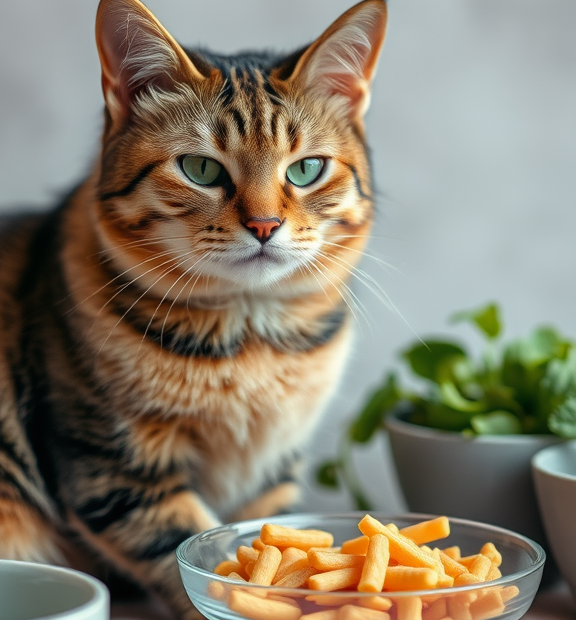
Strategies for Creating a Calming Mealtime Environment for Cats Experiencing Stress-Related Refusal of Farmers Cat Food
Are you dealing with a finicky feline who seems to have suddenly turned their nose up at Farmers Cat Food? Stress-related refusal to eat can be concerning, but creating a calming mealtime environment can be an effective way to encourage healthy eating habits. Here are some strategies you can implement to make mealtime a more soothing experience for your cat.
Understand Your Cat’s Triggers
Before making environmental changes, observe what might be causing your cat’s stress. Common triggers include:
- Changes in the household, like new pets or family members.
- Unexpected noises, such as loud music or construction.
- Shifts in your daily routine, which can disrupt their sense of security.
- The introduction of new foods that might upset their stomach or preferences.
By identifying these stressors, you can work to minimize them during mealtime.
Create a Peaceful Feeding Space
Select a quiet and safe area in your home for feeding. This space should be away from foot traffic, loud appliances, or potential distractions such as the TV. A cozy corner or a discreet nook would work perfectly. Ensure the area is clean and free from any items that could disturb your cat while eating.
Establish a Routine
Animals thrive on routine, and cats are no exception. By feeding your cat at the same time every day, you not only create a sense of predictability but also ease their anxiety. Try to maintain a consistent schedule, so your cat associates mealtime with comfort and security.
Use Calming Products
Calming products into your cat’s mealtime can be incredibly beneficial. Consider trying:
- Feliway Diffusers: These release a synthetic version of cat pheromones that can reduce stress.
- Calming Treats: Special treats containing ingredients like chamomile or valerian can help ease anxiety.
- Thundershirts: Although not commonly used during mealtimes, they can offer comfort for anxious cats during stressful situations.
Introduce these products gradually to see how your cat reacts.
Enhance the Eating Experience
Sometimes, the experience of eating can cause unnecessary stress. Improve it by considering the following:
- Serving Temperature: Cats may prefer their food warmed slightly, as it can enhance aroma and make it more appealing.
- Dish Selection: Use shallow, wide bowls to prevent whisker fatigue, which can occur if the bowls are too deep.
- Environmental Enrichment: Place your cat’s food in a puzzle feeder or treat-dispensing toy to make mealtime more engaging.
Playtime Before Meals
Engaging in a little play before mealtime can also help reduce stress. A few minutes of interactive play can help your cat release pent-up energy, making them more likely to enjoy their food. Use feather toys, laser pointers, or anything that gets them moving and excited. This can create a positive association with feeding time.
Temperature and Aroma are Key
The temperature of Farmers Cat Food plays a significant role. Consider warming up wet food slightly in the microwave for a few seconds, but always ensure it’s not overly hot. Additionally, the aroma is essential in attracting your cat to their food. Therefore, you might also want to add a splatter of low-sodium chicken broth or a sprinkle of their favorite freeze-dried meat on top to entice them.
Patience is Crucial
It’s important to be patient. If your cat refuses to eat, give them time and space. Encourage them to approach their food at their own pace. Don’t force them to eat, as this can increase anxiety and create an aversion to the food. Instead, leave their meal out for them to nibble on throughout the day.
By implementing these strategies, you can create a calming mealtime environment that may help alleviate your cat’s stress-related refusal of Farmers Cat Food. Remember, a patient and consistent approach will work wonders in helping your cat regain their appetite and enjoy their meals once more.
Understanding the Causes of Stress-Related Refusal in Cats and How to Address Them
Cats are known for their unique behaviors and personalities, but sometimes these traits can lead to stress-related issues, especially when it comes to mealtime. Understanding why your cat might refuse food due to stress can help you create a calming environment, ensuring they eat comfortably and healthily.
Many factors contribute to stress-related refusal in cats. Recognizing these triggers is the first step in addressing the issue. Here are some common causes:
- Environmental Changes: Cats are creatures of habit. Moving to a new home, introducing new pets, or altering their routine can create anxiety.
- Noisy Environments: Loud sounds from outside sources (e.g., construction, thunder) can frighten cats, making it hard for them to eat.
- Health Issues: Medical conditions can lead to a decrease in appetite. It’s essential to consult with a veterinarian if you notice consistent behavior changes.
- Negative Associations: If a cat had a bad experience (e.g., a trip to the vet), they might associate mealtime with stress.
Now that you’ve identified potential stressors, the next step is to create a calming mealtime environment. Here are some effective strategies:
- Designate a Quiet Feeding Area: Choose a calm, low-traffic area for your cat’s food and water bowls. This space should be free from loud noises and distractions, allowing your cat to eat in peace.
- Maintain Routine: Feeding your cat at the same time each day can help them feel secure. Consistency aids in reducing anxiety.
- Reduce Competition: If you have multiple pets, feed them separately to minimize stress and ensure each cat feels safe while eating.
- Soft Background Noise: Sometimes, soft music or white noise can help drown out any startling sounds from outside, creating a soothing atmosphere.
- Use Calming Products: Consider products designed to alleviate anxiety, like pheromone diffusers or calming collars. These can be helpful in easing your cat’s stress.
Understanding your cat’s dietary preferences is also important. Using positive reinforcement can make mealtime a more enjoyable experience and encourage better eating habits. Here are ways to do this:
- Offer Variety: Cats can be picky eaters. Try different flavors or types of food (wet and dry) to find out what your cat enjoys the most.
- Interactive Feeding: Create engaging activities for your cat during mealtime, like using puzzle feeders or hiding kibble around their feeding area. This can stimulate their natural instincts and make eating more fun.
- Reward Good Behavior: If your cat approaches the food bowl and starts to eat, offer praise or treats. This positive reinforcement can help build a more favorable association with mealtime.
Monitoring your cat’s body language is crucial in understanding their comfort levels. Look for signs of stress like hiding, excessive grooming, or vocalization. If anything seems off, take the time to evaluate their environment and daily routine.
Communication with your veterinarian is also key. They can help rule out any underlying health problems contributing to your cat’s stress-related refusal to eat. Regular check-ups will ensure your cat is healthy and happy, making it easier for you to address behavioral issues.
Creating a calming mealtime environment takes patience and time, but the benefits for your cat’s well-being are significant. By understanding the causes of stress-related refusal and implementing strategies to alleviate anxiety, you can help your feline friend feel more secure and enjoy their meals once again. Remember, a relaxed cat is a happy cat!
Conclusion
Creating a calming mealtime environment for cats experiencing stress-related refusal is a vital step in ensuring they enjoy their food and maintain a healthy diet. By understanding the root causes of their stress—such as changes in routine, environmental noise, or even negative past experiences—you can implement tailored strategies that cater to their needs.
Consider maintaining a consistent daily schedule to help your feline friend feel more secure. Selecting a quiet, comfortable feeding location away from distractions can also foster a more relaxed atmosphere. Additionally, introducing calming elements, like soothing music or gentle scents, can transform mealtime into a peaceful experience.
Remember, it’s not just about the food itself but also the environment in which your cat eats. Patience plays a crucial role during this process. As your cat begins to associate mealtime with a calming routine, you’ll likely see improvements in their willingness to eat.
If your cat continues to refuse Farmers Cat Food, it’s essential to consult with a veterinarian. They can help rule out any underlying health issues that may cause stress-related refusal. Ultimately, fostering a serene dining atmosphere not only encourages your cat to accept their meals but also strengthens the bond between you and your furry companion. With these strategies in place, you can turn mealtime into a positive, enjoyable experience, paving the way for better health and happiness for your beloved cat.