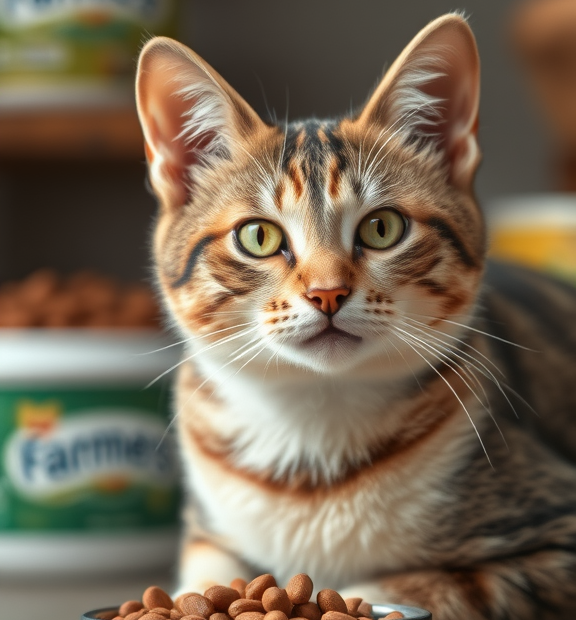
Farmers Cat Food Nutrient Boost: Safe Supplement Add-Ons for Enhanced Nutrition
As a cat owner, you want to ensure that your feline friend gets the best nutrition possible. Farmers cat food is known for its wholesome ingredients, but sometimes it might need a little extra boost. Supplementing your cat’s diet can enhance nutrition significantly and support their overall health. Let’s explore some safe add-ons that can elevate the nutrient profile of your cat’s meals without compromising safety.
Why Consider Supplements?
Even with high-quality cat food, some cats might need additional nutrients based on their individual health needs, age, or lifestyle. Supplements can help fill those nutritional gaps and promote a healthier life. It’s essential to select safe add-ons that complement the existing farmers cat food without causing any imbalances.
Safe Add-Ons to Consider
Here are some popular and safe supplement options that you can consider integrating into your cat’s diet:
- Fish Oil: Rich in omega-3 fatty acids, fish oil can improve your cat’s skin and coat health. It may also have anti-inflammatory properties that benefit joint health.
- Probiotics: These beneficial bacteria support digestive health and can help to balance gut flora. If your cat suffers from digestive upset, probiotics can be an excellent choice.
- Green Lipped Mussel: A natural source of glucosamine, this supplement can support joint health and mobility, making it a great option for older cats or those with joint issues.
- Brewer’s Yeast: Packed with vitamins and minerals, brewer’s yeast can promote a healthy immune system. It also adds a savory taste that many cats love.
- Pumpkin Puree: This is a great source of fiber, which can be beneficial for digestive health and weight management. Ensure it’s plain and not spiced, as cats are sensitive to certain seasonings.
How to Safely Introduce Supplements
Adding supplements to your cat’s diet should be done gradually and thoughtfully. Here are some steps to follow:
- Consult Your Veterinarian: Always consult with your vet before starting any new supplements. They can help determine what your cat might need based on their health status.
- Start Slowly: When introducing a new supplement, start with a small amount. Monitor how your cat reacts before gradually increasing the dosage.
- Watch for Reactions: Keep an eye on your cat for any signs of allergies or intolerance. If you notice any adverse reactions, discontinue the supplement and consult your vet.
Understanding Nutritional Needs
Cats have specific dietary requirements, and not all supplements are suitable for every cat. You should consider the following factors when choosing supplements:
- Age: Kittens, adult cats, and senior cats have different nutritional requirements. Adjust supplements accordingly.
- Health Conditions: If your cat has specific health issues, like diabetes or kidney disease, your veterinarian may recommend tailored supplements.
- Activity Level: Active cats may benefit from energy-boosting supplements, while less active cats might require help with weight management.
Enhancing the nutrition of farmers cat food with safe supplement add-ons can help promote your cat’s long-term health and wellness. By selecting the right supplements and introducing them properly, you can create a balanced diet that supports your feline friend’s lifestyle. It’s all about giving your cat the best possible nutrition to keep them happy and healthy!
Understanding your cat’s unique needs and incorporating safe add-ons can make a significant difference. Have fun experimenting with various options to see what works best for your furry companion!
Understanding the Importance of Nutritional Balance in Cat Food Choices
When it comes to feeding your beloved feline friend, understanding nutritional balance is crucial. Cats, unlike humans, have very specific dietary needs. Failing to meet these needs can lead to health issues. Here’s why it’s essential to choose cat food that provides the right nutrients.
Nutritional balance in cat food centers around several key components, including protein, fats, carbohydrates, vitamins, and minerals. Each of these plays an important role in your cat’s health.
- Protein: Cats are obligate carnivores, meaning they require protein from animal sources to thrive. High-quality proteins help in building strong muscles and support overall health. Look for cat food that lists meat or fish as the first ingredient.
- Fats: Fats provide a concentrated energy source and are essential for skin and coat health. They also aid in the absorption of certain vitamins. Omega-3 and Omega-6 fatty acids are particularly beneficial for maintaining a shiny coat and healthy skin.
- Carbohydrates: While cats don’t require carbohydrates in their diet, a small amount can be beneficial. It’s important to choose cat food with digestible carbohydrates, like sweet potatoes or brown rice, rather than fillers like corn or wheat.
- Vitamins: Essential vitamins, such as A, D, and B vitamins, help maintain healthy bodily functions. Vitamin A is important for vision, while Vitamin D supports calcium absorption for strong bones.
- Minerals: Minerals like calcium, phosphorus, and magnesium are essential for proper body functioning. They contribute to bone health, muscle function, and overall metabolism.
Choosing a cat food that meets these nutritional requirements is just the first step. It’s also important to consider your cat’s life stage. Kittens, adults, and senior cats have different needs. For example:
- Kittens: They require more protein and calories to support rapid growth and development. A kitten formula will usually have higher protein levels to accommodate these needs.
- Adult Cats: Once your cat reaches adulthood, their diet should provide balanced nutrition to maintain health without overfeeding. Look for adult cat food that maintains the right protein to fat ratio.
- Senior Cats: Older cats may require fewer calories because they are less active, along with added fiber to aid digestion and maintain a healthy weight.
Another aspect of nutritional balance involves hydration. Cats are not natural drinkers and often get most of their water from food. Wet cat food can be beneficial for keeping your cat hydrated, especially if they don’t drink enough water. If you prefer dry food, ensure access to fresh water at all times.
Understanding allergens is also an important part of cat nutrition. Some cats may have sensitivities or allergies to certain ingredients, like chicken, corn, or soy. If you notice signs of allergies, such as skin irritations or digestive issues, consult your veterinarian for guidance on appropriate food choices.
While premium cat food may come at a higher price, the benefits often outweigh the costs. Cheaper brands may contain fillers and low-quality ingredients that don’t provide the essential nutrients your cat needs. Investing in good-quality food can lead to better health outcomes, longer life, and fewer vet visits.
Don’t forget the importance of routine veterinary check-ups as well. Regular check-ups provide an opportunity for you and your vet to discuss your cat’s nutritional needs based on their specific health status and lifestyle. They can help tailor dietary choices to maintain your cat’s well-being.
Understanding the importance of nutritional balance in cat food choices is fundamental for your pet’s health. By selecting high-quality food that meets their specific needs for protein, fats, carbohydrates, vitamins, and minerals, you’re taking crucial steps towards ensuring a happy and healthy life for your feline friend. Always pay attention to the labels, consult with your veterinarian, and adjust feeding habits as your cat ages or changes in health. Making informed choices will help your cat thrive!
Conclusion
As you explore the world of farmers cat food nutrient boosts and the safe supplement add-ons available for your feline friend, it’s essential to prioritize nutritional balance. The right blend of vitamins, minerals, and other nutrients can significantly enhance your cat’s overall health and well-being. Remember, cats are obligate carnivores, which means their diets should primarily consist of animal-based proteins, supplemented with appropriate ingredients that fill any nutritional gaps.
When considering add-ons, always opt for those that are verified safe for cats. Options like omega-3 fatty acids, probiotics, and certain vegetables can provide the extra nutritional edge your cat needs. However, always consult with a veterinarian before introducing any new supplements to ensure they align with your cat’s specific dietary needs.
Taking a mindful approach towards your cat’s nutrition not only promotes a longer life but also improves their quality of life. Healthy cats are more energetic, playful, and maintain a better weight. By choosing farmers cat food that focuses on nutrient boosts and balancing their diet intelligently, you set the foundation for a happier, healthier pet.
Ultimately, providing the best for your cat goes hand-in-hand with understanding their unique nutritional requires. Your efforts to enhance their diet with safe supplements can lead to visible benefits, making your cat thrive. With informed choices, you can ensure that each meal remains a step towards optimal health and happiness for your beloved feline companion.