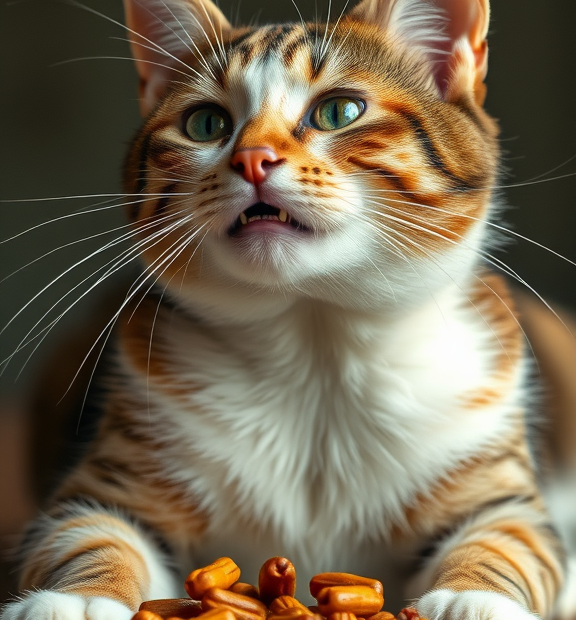
Best Cat Food Options for Cats That Throw Up
Cats have a unique way of expressing their displeasure, and sometimes that includes throwing up. If your feline friend is prone to vomiting, it’s essential to choose the right cat food. Certain ingredients can help reduce the risk of vomiting and support your cat’s overall digestive health. Let’s explore some of the best cat food options that cater specifically to cats that throw up.
Understanding the Causes of Vomiting in Cats
Before diving into food options, it’s important to understand why your cat may be vomiting. Common causes include:
- Hairballs
- Dietary indiscretion (eating too quickly or consuming something they shouldn’t)
- Food sensitivities or allergies
- Gastrointestinal issues
- Stress or anxiety
Understanding these factors can help you choose the right cat food and consult your veterinarian if necessary.
Recommended Cat Food Types for Sensitive Stomachs
When selecting cat food for cats that throw up, look for specific formulations designed to soothe their stomachs. Here are some excellent options:
1. Sensitive Stomach Dry Cat Food
Many brands now offer specially formulated dry cat food that helps minimize nausea and reduce vomiting. Look for brands that include easily digestible ingredients like:
- Chicken or turkey as the main protein source
- Brown rice or quinoa for fiber
- Probiotics to promote healthy digestion
Examples include Hill’s Science Diet Sensitive Stomach and Purina Pro Plan Sensitive Skin & Stomach.
2. Grain-Free Cat Food
Some cats may react poorly to grains, resulting in digestive upset. Grain-free recipes often contain alternative carbs like sweet potatoes or peas, which can be easier on your cat’s stomach. Brands like Blue Buffalo Wilderness and Wellness Core offer grain-free options that may reduce vomiting.
3. Wet Cat Food for Hydration
Wet cat food can be beneficial for cats that throw up because it provides extra moisture, which is important for preventing dehydration. Moisture in the food helps make it easier for your cat to digest. Look for high-quality wet food, such as Royal Canin’s Digest Sensitive or Mericat’s Grain-Free Pâté, that uses real meat and includes added nutrients.
4. Prescription Diets
If your cat continues to vomit despite dietary changes, consider discussing prescription diets with your veterinarian. Brands like Hill’s Prescription Diet or Royal Canin Veterinary Diet offer specialized formulas, such as those rich in omega fatty acids, to help soothe upset tummies.
Key Ingredients to Look For
When choosing cat food for a vomiting cat, focus on key ingredients that promote digestive health:
- High-quality proteins: Choose foods with real meat sources to ensure better digestion.
- Fiber: Ingredients like pumpkin can help regulate your cat’s digestive tract.
- Probiotics: These beneficial bacteria support gut health and can help reduce vomiting.
- Omega-3 and Omega-6 fatty acids: These nutrients help maintain a healthy coat and skin, promoting overall wellness.
Feeding Tips for Cats That Throw Up
In addition to selecting the right food, consider these feeding tips to help manage your cat’s vomiting:
- Feed smaller, more frequent meals to prevent overeating.
- Use a slow-feed bowl to discourage rapid eating.
- Avoid sudden diet changes; when switching food, do it gradually over several days.
- Keep fresh water readily available to ensure your cat stays hydrated.
Choosing the right cat food for cats that throw up can make a significant difference in their health and comfort. Pay attention to ingredients, consider your cat’s specific needs, and consult with your veterinarian for tailored advice. With the right food and care, you can help your furry friend feel better and reduce their vomiting episodes.
Understanding Vomiting in Cats: Causes and Solutions
Vomiting in cats can be concerning for any pet owner. It often raises questions about your cat’s health and diet. Understanding why your feline friend might be throwing up is crucial for finding the right solutions and effective cat food for cats that throw up.
There are several reasons why cats vomit. Some of the most common causes include:
- Hairballs: Cats groom themselves regularly. During this process, they ingest hair, which can form hairballs. When these balls get too large, your cat might vomit them out.
- Dietary Issues: Changes in diet or feeding your cat low-quality food may lead to stomach upsets. Cats can also have sensitivities to certain ingredients.
- Overeating: If your cat eats too quickly or consumes too much food in one sitting, it may lead to vomiting. This behavior can be often seen in competitive eaters among cats.
- Illness: Various health problems, from gastrointestinal issues to infections, can cause vomiting. If your cat persists in throwing up, a vet trip is essential.
- Stress: Cats can be sensitive to changes in their environment. Stressful situations can cause them to vomit. This can include moving to a new house or changes in the family dynamic.
Understanding these causes can help in selecting appropriate cat food for cats that throw up. Here are some tips for choosing food that may reduce incidents of vomiting:
- High-Quality Ingredients: Look for cat food with high-quality, easily digestible ingredients. Avoid fillers and artificial preservatives that may upset your cat’s stomach.
- Specialized Diets: Some brands offer specialized formulas for sensitive stomachs. These products are designed to be gentle on your cat’s digestive system.
- Hairball Control: If your cat vomits due to hairballs, look for food specifically aimed at hairball management. These foods often include specific fibers that help reduce hairball formation.
- Small, Frequent Meals: Consider feeding smaller portions throughout the day instead of one large meal. This is particularly helpful for cats that eat too quickly.
- Wet vs. Dry Food: In some cases, wet food can be easier to digest than dry kibble. It can provide hydration and may be gentler on the stomach.
If your cat is experiencing frequent vomiting, it’s crucial to pay attention to other symptoms that could accompany it. Look out for signs such as:
- Diarrhea
- Weight loss
- Lethargy
- Loss of appetite
- Change in behavior
These symptoms can indicate a more severe problem that requires professional veterinary attention.
When selecting cat food for cats that throw up, consider consulting your veterinarian. They can provide tailored advice and possibly recommend prescription food if your cat has a specific health issue. In some cases, your vet may suggest food with special nutrients to soothe the digestive tract or reduce inflammation.
Additionally, being mindful of your cat’s eating habits can also play a big role. If your cat continues to throw up, try the following strategies:
- Use a special cat dish designed to slow down eating.
- Feed your cat in a quiet, stress-free environment.
- Ensure fresh water is always available.
- Monitor and review any changes to your cat’s diet.
Understanding vomiting in cats involves considering various factors from the food you provide to your pet’s overall health. With diligence, you can find the right cat food for cats that throw up, help alleviate the problem, and keep your furry friend healthy and happy. By being proactive about diet and understanding the underlying factors, you can reduce the chances of vomiting and improve your cat’s quality of life.
Conclusion
When dealing with the challenge of finding cat food for cats that throw up, it’s essential to understand both the dietary needs and potential causes behind their vomiting. Many cats experience digestive issues for various reasons, such as allergies, stress, or eating too quickly. Choosing the right cat food tailored to these specific needs can significantly improve their comfort and overall health.
Brands that focus on easy-to-digest formulas, such as those that are grain-free or contain limited ingredients, are often best suited for felines prone to vomiting. Additionally, considering specialized options such as prescription diets or those enriched with probiotics can help regulate their digestive systems. Always consult your veterinarian before making drastic changes to your cat’s diet, as they can provide guidance based on your pet’s unique health concerns.
Taking proactive steps to understand why your cat is vomiting and addressing both dietary choices and feeding habits can lead to better health outcomes. Slow feeders, for example, can help your cat eat at a more manageable pace, reducing the likelihood of vomiting.
Ultimately, monitoring their behavior, providing a stress-free environment, and ensuring they receive high-quality nutrition tailored to their specific needs are key components in supporting your cat’s health. By making informed choices about their diet and understanding the underlying causes of vomiting, you can help your furry friend lead a happier, healthier life.