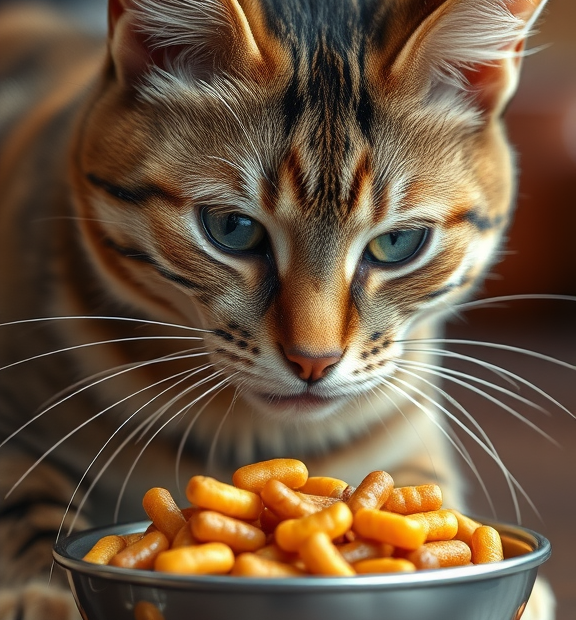
Can a Cat Eat Dog Food: Understanding Nutritional Needs
Many pet owners wonder about feeding practices, especially when it comes to their furry friends’ diets. One common question is whether a cat can eat dog food. The curiosity often arises when cat food runs out or if a dog’s food is more accessible. While it might not cause immediate harm, this practice isn’t advisable. Understanding the differences in nutritional needs between cats and dogs can clarify this topic further.
Cats and dogs have distinctly different dietary requirements. As obligate carnivores, cats primarily rely on meat for their nutrition. They need specific nutrients that are found in animal tissues, such as taurine, arachidonic acid, and vitamin A. On the other hand, dogs are omnivores, which means they can consume a mix of meat, fruits, and vegetables. Dog food is formulated to meet the needs of dogs, not the unique requirements of cats.
Here are some aspects to consider when evaluating if a cat can eat dog food:
- Nutritional Imbalance: Dog food lacks essential nutrients needed by cats. If a cat regularly consumes dog food, it can lead to nutritional deficiencies over time.
- Taurine Deficiency: Taurine is vital for a cat’s heart function, vision, and reproductive health. Dog food does not contain enough taurine to meet a cat’s needs, posing a risk for serious health issues.
- Texture and Flavor: Cat food is specially formulated to be more appealing to cats, while dogs may enjoy a variety of flavors and textures. Cats might reject dog food altogether.
- Obesity and Health Risks: Dog food is typically higher in carbohydrates, which can contribute to obesity in cats. Excessive weight can lead to further health problems, such as diabetes and joint issues.
Short-term consumption of dog food might not cause immediate health issues for your cat, but lasting effects can accumulate. A diet lacking the necessary nutrients may cause weakness, lethargy, and various health complications down the line.
Sometimes, you may find your cat sneaking bites of your dog’s dinner. While it can happen, it’s essential to monitor your cat’s diet. If they’ve consumed a little dog food, don’t panic, but limit this behavior. Consider transitioning your cat back to a balanced diet of high-quality cat food. Consulting with a veterinarian can provide insights into creating a well-rounded diet for your feline friend. A professional can recommend suitable brands and feeding practices tailored specifically for your cat’s needs.
Feeding cats dog food shouldn’t become a habit. Having separate feeding stations for dogs and cats can help prevent this issue. Store dog food in a place that’s less accessible to your cat, or use pet feeders that are designed only to open for dogs.
If you notice your cat is particularly drawn to dog food, it could be due to curiosity or the scent. Cats are known for their exploratory behavior, and sometimes the smell of dog food can be intriguing. However, you can address this by ensuring your cat has access to nutritious and enticing cat food. Trying different flavors and types can help find one your cat loves. Cats often prefer wet food or food with added moisture, as it resembles prey items they would naturally hunt.
Ultimately, while a cat might nibble on dog food out of curiosity or hunger, it’s important to remember that their bodies require specific nutrients found exclusively in cat food. Aim to provide balanced meals that cater to your cat’s unique physiological needs. By prioritizing their nutritional health, you can help ensure a happy, healthy life for your feline companion.
While it’s not a crisis if your cat eats some dog food occasionally, it’s important to understand the nutritional gaps in this practice. Proper care includes recognizing these differences and ensuring your cat gets the balanced diet it requires to thrive.
The Differences Between Cat and Dog Food: What Pet Owners Should Know
Pet owners often wonder about the dietary needs of their furry companions, especially when it comes to the differences between cat food and dog food. It’s essential to understand why these differences exist and how they impact the health of both cats and dogs. Both species have unique nutritional requirements based on their biology and natural behaviors. Understanding these differences can help you make informed choices for your pets.
Cats are obligate carnivores, which means their bodies require a diet high in animal-based protein. This is due to their evolutionary history as hunters. In contrast, dogs are omnivores and can thrive on a more varied diet that includes both animal and plant ingredients. This fundamental difference lays the groundwork for the nutritional profiles of both cat and dog food.
Protein Content
One of the most significant differences is the protein content in each type of food. Cats usually need higher levels of protein than dogs do. A typical cat food might have around 30-40% protein, while dog food often contains about 18-25%. The high protein requirement in cats is vital for maintaining muscle mass and supporting other bodily functions. Without sufficient protein, cats may suffer from malnutrition and health issues.
Amino Acids
Cats also require specific amino acids that dogs do not. For example, taurine is crucial for a cat’s heart health and vision. Dogs can produce taurine on their own, but cats must obtain it from their diet. That’s why cat food is formulated with these essential nutrients, ensuring that your feline receives everything it needs for optimal health.
Fat Content
The fat content in pet food also differs between cats and dogs. Fats are necessary for energy and the absorption of certain vitamins. Cat foods typically contain a higher fat percentage, ranging from 20-30%, compared to dog foods which usually have 8-15%. The extra fat in cat food caters to their higher metabolism and energy needs. It also supports healthy skin and a shiny coat for cats.
Vitamins and Minerals
Another critical area where cat and dog food diverge is in vitamins and minerals. Cats require higher levels of certain vitamins, such as vitamin A and certain B vitamins. While dogs can convert beta-carotene from plants into vitamin A, cats need it preformed in their diet. Additionally, niacin is another B vitamin that cats need in larger amounts than dogs. This difference highlights the importance of feeding pets the appropriate type of food for their species.
Carbohydrates
When it comes to carbohydrates, dogs can handle a more substantial amount compared to cats. While cats can digest carbohydrates, their body is not designed to rely on them as a primary energy source. Therefore, cat food typically includes fewer carbs than dog food. A balanced dog diet can have anywhere from 30-60% carbohydrates, making it suitable for their dietary needs.
Feeding Practices
As a pet owner, it’s essential to stick to species-appropriate diets. While you may be tempted to feed your cat dog food or vice versa, this could lead to nutritional imbalances. If a cat eats dog food regularly, it may become deficient in vital nutrients needed for its health. This could manifest in various health issues, including poor coat condition, weakened immune system, and even organ failure over time.
What Should You Do If Your Cat Eats Dog Food?
If your cat happens to eat dog food occasionally, it’s not likely to cause immediate harm, but it’s not advisable as a regular practice. Monitor your cat for any signs of distress or digestive upset, like vomiting or diarrhea. If you notice any adverse reactions, consult your veterinarian. To prevent this, it’s wise to store dog food out of your cat’s reach.
Ultimately, being aware of the differences between cat and dog food is crucial for the health of your pets. Always choose high-quality food designed for your pet’s species, and consult with a veterinarian to ensure that you meet their specific dietary needs. By doing so, you contribute significantly to their overall well-being and longevity.
Conclusion
While it might be tempting to let your feline friend nibble on your dog’s food, it’s crucial to understand the distinct nutritional needs of cats and dogs. Cats are obligate carnivores, meaning they require a diet that is rich in animal protein, taurine, and other vital nutrients that are often absent in dog food. Dog food simply does not provide the complete nutrition that your cat needs to thrive.
Pet owners should be aware of the fundamental differences between cat and dog food. While dog food is formulated to support canine health, it lacks specific nutrients essential for cats. For instance, the amino acid taurine is essential for a cat’s heart and vision, and dog food generally contains insufficient levels of this nutrient. Moreover, cats also require higher amounts of certain vitamins, fats, and proteins that are not adequately supplied in dog food.
Feeding your cat a diet primarily based on dog food can lead to serious health issues over time. In the short term, it may not harm your cat if they have a small amount of dog food, but regularly substituting their meals with it is not advisable. Ensuring your cat has access to proper feline nutrition not only promotes better health but also enhances their overall well-being.
Always consult with your veterinarian if you are uncertain about your pet’s dietary choices. The decision to feed your cat should be grounded in providing them with appropriate and balanced nutrition that supports their unique needs. By understanding these differences, you’ll be better equipped to provide your pet with the diet they deserve.