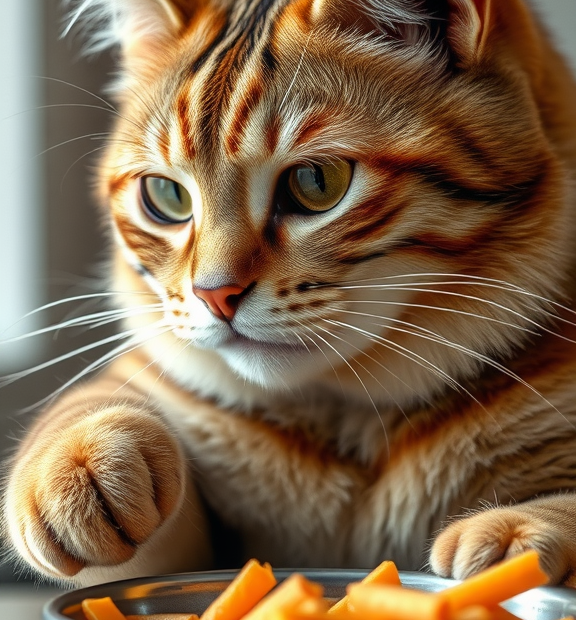
The Best Practices for Storing Wet Cat Food: Understanding Time Limits and Safety
When it comes to feeding your feline friend, understanding how to store wet cat food properly is crucial for their health and safety. Many cat owners often wonder, “how long can wet cat food sit out?” This question is vital because leaving wet food out for too long can lead to spoilage and create health risks for your pet. Let’s explore the best practices for storing this type of food, including time limits and safety tips.
Wet cat food is usually rich in moisture, which is great for your cat’s hydration but also makes it a prime target for bacteria growth when left out at room temperature. The general rule is that wet cat food should not sit out for more than two hours. If the temperature is higher than 90°F (32°C), this time decreases to just one hour. The warm environment can accelerate bacterial growth, which can lead to foodborne illnesses for your cat.
Safe Storage Practices for Wet Cat Food
To ensure your kitty’s food stays fresh and safe, follow these storage practices:
- Refrigerate Open Cans: If your cat doesn’t finish their meal, store any leftover wet cat food in the fridge. Use an airtight container or cover the can with plastic wrap to prevent contamination and maintain freshness. Most manufacturers recommend using refrigerated wet food within 5 to 7 days.
- Use Fresh Food: Always check the expiration date on canned wet food and make sure you are feeding your cat fresh product. If the food looks discolored or has an unusual smell, it’s best to discard it.
- Warm it Up: Cats often prefer their food at room temperature. If you’ve stored it in the fridge, allow it to sit out for a bit before feeding it to your cat. You can also microwave it for a few seconds but ensure it’s not too hot before serving.
- Check for Damage: Before feeding your cat from a can, inspect it for dents, rust, or bulging lids. These can be signs of spoilage or compromised integrity, so don’t take chances.
Understanding Bacteria Growth
Understanding how bacteria grow is essential for keeping your cat’s food safe. When wet food is exposed to air, bacteria can multiply rapidly, especially if it’s sitting out. Here’s how to prevent these health risks:
- Storing Leftovers: If your cat doesn’t finish their meal, store the leftovers properly and make sure you never leave the food out for longer than allowed.
- Clean Bowls Regularly: Always wash your cat’s food bowl with hot, soapy water after each feeding. Bacteria can linger in bowls, especially those left unwashed for days.
- Monitor Room Temperature: Be mindful of where you leave wet cat food. High temperatures can increase the risk of spoilage drastically.
Serving Tips for Wet Cat Food
How you serve wet cat food also plays a part in its safety. Here are some tips to keep in mind:
- Portion Control: Only serve what your cat is likely to eat in one sitting. This minimizes waste and reduces the chance of spoilage.
- Rotate Canned Food: Make a habit of using older cans before newer ones. This practice helps avoid food going stale or spoiling.
- Label Leftovers: If you store opened cans or containers in the fridge, label them with the date they were opened. It’s a handy reminder, ensuring you use them within safe time limits.
It’s essential to be aware of how long wet cat food can sit out to protect your pet’s health. Following simple guidelines for storage, recognizing the signs of spoilage, and understanding bacteria growth will help keep your furry friend safe and happy. Remember to feed your cat fresh, quality food and monitor how long it sits out. Happy feeding!
Signs That Your Cat’s Wet Food Has Gone Bad: What to Watch For
When it comes to your cat’s health, feeding fresh and safe food is essential. Wet cat food is a popular choice among pet owners because of its high moisture content and palatability. However, like all food, it can spoil if not stored or handled properly. Knowing the signs that your cat’s wet food has gone bad can save you from facing health risks for your furry friend. Here are some clear indicators to watch for.
Change in Color
One of the first signs that wet cat food has spoiled is a change in color. Fresh wet food should have a consistent color, typically matching the flavor it represents. For example, chicken-flavored food should look pale tan, while fish flavors should appear more opaque or darker. If you notice dullness, a darkened color, or any unusual shades, it may be time to discard the food.
Off Odor
Fresh wet cat food has a pleasant meaty smell that makes it appealing to your kitty. When food goes bad, a foul or sour odor is often present. This change in smell can signify bacterial growth or spoilage. If the wet food smells rotten or just doesn’t smell right, it’s wise to throw it away. Trust your nose; it’s a reliable indicator!
Unusual Texture
A fresh serving of wet cat food should have a moist and smooth texture. If you notice any separation in the product, with liquids pooling at the bottom or the food becoming dry and hard, this is a warning sign. Additionally, if the food appears slimy or has an abnormal consistency, discard it immediately.
Presence of Mold
Mold growth is a clear indication that wet cat food is no longer safe to eat. If you see any green, white, or black patches on the surface of the food, do not feed it to your cat. Mold can contain harmful toxins that can cause severe health problems for your pet.
Pests or Infestation
Finding any signs of pests in your cat’s food is a serious concern. If you see insects or larvae, the food is definitely spoiled. Always inspect the packaging for holes or tears, which can allow pests to get inside. If you suspect the food has been compromised, it’s best to dispose of it promptly.
Expired Date
It’s crucial to always check the expiration date on the can or packaging of wet food. Even if it appears safe, consuming food past its expiration date can pose health risks for your cat. Remember, the expiration date is not just a suggestion; it’s there to protect your pet’s well-being.
Inconsistent Packaging Conditions
If you purchase wet cat food in bulk, be mindful of how you store it. If a can or pouch becomes damaged, dented, or bulging, it may compromise the food inside. Never feed from damaged containers, as this increases the likelihood of spoilage or contamination.
Temperature Changes
Wet cat food should be stored in a cool, dry place. If you’ve accidentally left it out too long at room temperature—especially if it’s been out for over four hours—consider it unsafe. Bacteria can multiply quickly in warmer temperatures, so it’s best to err on the side of caution.
- Check for changes in color.
- Trust your nose—sniff for foul odors.
- Observe the texture: smooth is good, slimy is bad.
- Look out for any signs of mold.
- Always be aware of pest risks.
- Pay attention to expiration dates.
- Keep an eye on packaging conditions.
- Be mindful of how long the food has been left out.
Being attentive to these signs can help ensure that your cat stays healthy and happy. When in doubt, it’s best not to take any chances. Dispose of spoiled food, and always prioritize your kitty’s safety above all else. By monitoring your cat’s wet food properly, you can provide them with a nutritious and enjoyable feeding experience.
Conclusion
Ensuring the health and safety of your feline friend is paramount, especially when it comes to their diet. By understanding the best practices for storing wet cat food, you can significantly prolong its freshness and avoid harmful bacteria. Remember to adhere to the recommended time limits—generally, wet cat food should not sit out for more than two hours at room temperature. If the food has been left out longer, it’s best to err on the side of caution and dispose of it.
Being aware of the signs that your cat’s wet food has gone bad can further protect your pet. If you notice an off smell, change in texture, or discoloration, it’s time to throw it out. Additionally, if your cat refuses to eat the food or shows signs of illness after consuming it, these could be red flags that the food has spoiled.
By following these guidelines, you not only ensure the well-being of your cat but also make mealtime a happier experience. Remember, a healthy cat requires not just quality food, but also safe food handling practices. Keep a watchful eye on how you store and serve wet cat food, and your furry companion will thank you for it with purrs and affection.