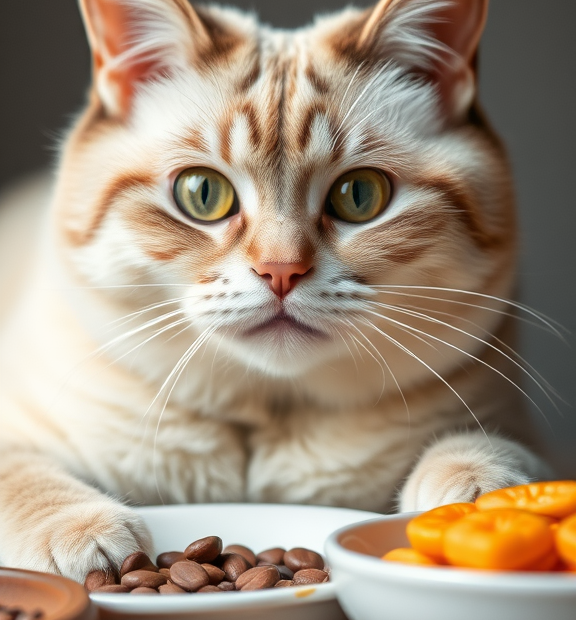
Gentle Recipe Ideas for Cats with Sensitive Stomachs
Do you have a feline friend with a sensitive stomach? You’re not alone! Many cat owners face this common concern. A delicate digestive system can make mealtime a challenge. Fortunately, gentle recipes can help soothe your cat’s stomach while still giving them delicious food that they will love. Here are seven gentle recipe ideas that are easy to prepare and packed with nutrition.
1. Simple Chicken Broth
This warm and comforting chicken broth is perfect for cats. It’s easy to digest and can help hydrate your pet.
- Ingredients:
- 1 pound of chicken (boneless, skinless)
- 4 cups of water
- A pinch of salt (optional)
- Instructions:
- Place the chicken in a pot and cover with water.
- Bring to a boil, then reduce heat and simmer for about 30 minutes.
- Remove the chicken and let it cool, then shred it into small pieces.
- Strain the broth and discard any solids. Serve warm or cool.
2. Pumpkin Puree Delight
Pumpkin is great for digestion and can ease an upset stomach. Cats find this blended puree tasty!
- Ingredients:
- ½ cup canned pumpkin (not the spiced pie filling)
- ¼ cup plain yogurt (unsweetened, non-fat)
- 1 tablespoon of honey (optional)
- Instructions:
- Mix pumpkin and yogurt in a bowl until smooth.
- Add honey for sweetness if desired, and serve a small portion to your cat.
3. Rice and Carrot Mash
This recipe combines rice and carrots for a gentle meal that’s easy on the stomach.
- Ingredients:
- 1/2 cup cooked rice
- 1/4 cup cooked carrots, mashed
- Instructions:
- Cook rice according to package instructions and steam carrots until soft.
- Combine the rice and carrots in a bowl and mash together.
- Serve at room temperature.
4. Fish & Sweet Potato Mash
Sweet potato is another wonderful ingredient for sensitive stomachs, and fish provides essential protein. This dish is sure to be a hit!
- Ingredients:
- 1 small sweet potato, cooked and mashed
- 1 can of tuna in water, drained
- Instructions:
- Mix the mashed sweet potato with the drained tuna.
- Serve immediately for a delicious meal!
5. Turkey & Zucchini Simmer
This lean turkey and zucchini combo is not only tasty but also gut-friendly.
- Ingredients:
- 1 pound lean ground turkey
- 1 small zucchini, diced
- 1/2 cup water
- Instructions:
- In a pan, cook the turkey until no longer pink.
- Add zucchini and water, simmering until the zucchini is soft.
- Let cool before serving it to your cat.
6. Oatmeal & Chicken Treats
This is a healthy and simple treat. Your cat will love the flavor of chicken blended with oatmeal!
- Ingredients:
- 1/2 cup cooked chicken, shredded
- 1/4 cup cooked oatmeal
- Instructions:
- Mix the shredded chicken with cooked oatmeal.
- Shape into small balls and let cool before offering them to your cat.
7. Soft Egg & Spinach Scramble
Eggs are rich in protein and very gentle on a sensitive stomach. Spinach adds a touch of nutrition!
- Ingredients:
- 2 eggs
- 1/4 cup spinach, finely chopped
- Instructions:
- Whisk the eggs in a bowl and add the chopped spinach.
- Cook in a non-stick skillet over low heat until eggs are set.
- Allow to cool before serving.
Creating meals for your cat with a sensitive stomach doesn’t have to be complicated. These gentle recipes are not only simple to make but also delicious and nutritious. Your furry friend will enjoy these meals while their delicate digestive system gets the care it needs. Happy cooking!
Tips for Identifying and Managing Your Cat’s Dietary Sensitivities
Identifying and managing your cat’s dietary sensitivities can be vital for both their health and happiness. Sensitivities may show themselves through various symptoms, from digestive issues to skin problems. Here’s how you can recognize and help manage these sensitivities in a gentle and effective way.
Recognizing Symptoms of Dietary Sensitivity
Your cat cannot tell you when they are feeling unwell due to certain foods. Therefore, keeping an eye out for specific signs is essential. Common symptoms of dietary sensitivity may include:
- Vomiting after meals
- Diarrhea or loose stools
- Excessive gas or bloating
- Itchy or irritated skin
- Frequent scratching or licking of the fur
- Weight loss or failure to gain weight
- Low energy or changes in behavior
If you notice these problems occurring after your cat eats, it may be time to investigate their food choices further.
Keeping a Food Diary
One effective way to pinpoint a dietary sensitivity is by keeping a detailed food diary. This will help you track what your cat eats and any symptoms they display. Here’s what to include:
- Date and time: Note when you feed your cat.
- Food type: Document the brand, flavor, and any treats given.
- Symptoms: Record any symptoms observed post-meal.
- Duration: Note how long the symptoms last.
- Changes in behavior: Keep an eye on your cat’s energy and mood.
After a few weeks, review your observations. If there’s a pattern between specific foods and symptoms, this will guide your next steps.
Transitioning to New Foods
Once you’ve identified a potential food sensitivity, it’s time to consider a dietary change. Transitioning should be gradual to avoid further upset to your cat’s stomach. Follow these steps for a smooth change:
- Week 1: Mix 25% of the new food with 75% of the old food.
- Week 2: Increase to 50% new food and 50% old food.
- Week 3: Move to 75% new food and 25% old food.
- Week 4: Your cat should now be ready for 100% new food.
This gradual change helps your cat adapt and minimizes digestive issues that can occur with sudden changes.
Selecting the Right Food
Choosing the best food for a cat with dietary sensitivities may involve trial and error. Look for high-quality, limited-ingredient diets or foods that focus on novel proteins. Consider the following:
- Read ingredient lists carefully to avoid known allergens.
- Select grain-free options, as some cats may struggle with grains.
- Consult your veterinarian for recommendations tailored to your cat’s specific needs.
Remember that not all cats will have the same sensitivities; what works for one may not work for another.
Consulting Your Veterinarian
If you are unsure or unable to pinpoint the sensitivity on your own, don’t hesitate to reach out to your veterinarian. They can provide insights and may recommend:
- Allergy testing
- Specialized diets
- Medications or supplements
Keep your veterinarian informed about your cat’s symptoms and dietary changes to ensure you are on the right track.
Monitoring Progress
Once your cat is on a new diet, continue to monitor their symptoms closely. Keep writing in your food diary to track improvements. If symptoms persist despite changing their diet, further investigations might be necessary.
By being observant and proactive, you can help your cat live a more comfortable life, free from the discomfort of dietary sensitivities. Engaging with your veterinarian and closely monitoring your cat will empower you to make informed decisions about their diet.
Conclusion
Caring for a cat with a sensitive stomach can feel challenging, but with the right strategies, you can significantly improve their comfort and health. By incorporating gentle recipe ideas, such as homemade chicken broth or pumpkin puree, into your cat’s diet, you can provide them with tasty and soothing meals that minimize digestive upset. These dishes not only cater to their palates but also deliver essential nutrients in a gentle manner.
Identifying your cat’s dietary sensitivities is equally vital. Keep a close eye on their reactions to different foods, and maintain a food diary to track any changes. Working with your veterinarian can help pinpoint specific allergens or intolerances, leading to tailored meal plans that boost your cat’s well-being. Additionally, gradually introducing new foods and observing your cat’s behavior can help avoid unnecessary digestive distress.
Remember, the goal is to ensure your furry friend feels happy and healthy. By paying attention to their unique needs and testing out gentle recipes, you can provide relief from tummy troubles. With patience and care, you’ll discover the best approach for your cat, allowing them to enjoy mealtime without discomfort. Your commitment to their dietary health not only enhances their quality of life but also strengthens your bond. So, get cooking those gentle recipes and watching your kitty thrive will be one of your most rewarding experiences!