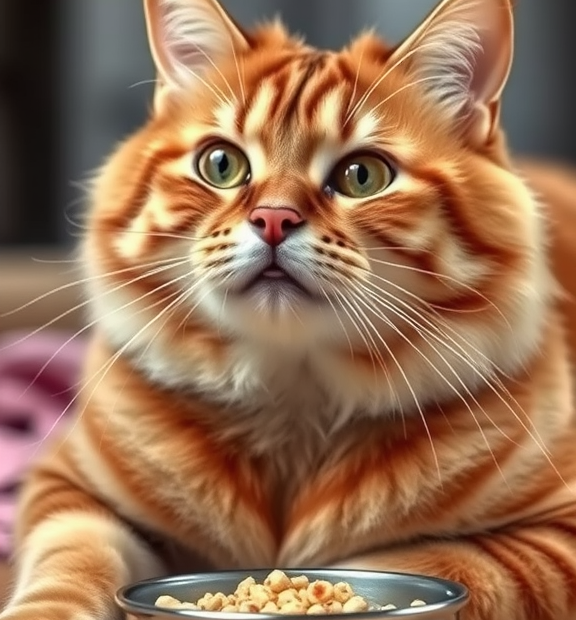
How I Solved My Cat’s Vomiting with These 3 Foods
Dealing with a cat that frequently vomits can be a frustrating experience. I found myself in this situation with my beloved feline companion, and after countless vet visits and experimenting with different diets, I finally discovered three specific foods that made a world of difference in solving my cat’s vomiting issues.
My journey started when I noticed my cat, Whiskers, frequently throwing up after meals. It wasn’t just hairballs; he seemed to genuinely struggle with digesting his food. I began tracking his eating habits, and I quickly realized that certain types of food were triggering these bad episodes. After advice from the vet and some trial and error, I introduced three foods that not only stabilized his stomach but also made mealtime a joy instead of a worry.
1. Limited Ingredient Diet (LID) Cat Food
- Switching to a limited ingredient diet helped reduce the variety of potential allergens and irritants in Whiskers’ food.
- These diets have fewer components, making it easier for cats with sensitive stomachs to digest their meals.
- After a few weeks on a LID formulary, I noticed a significant drop in his vomiting incidents.
Many brands offer LID options that use a single protein source like turkey or salmon paired with a carbohydrate source, giving you the flexibility to choose recipes tailored to your cat’s preferences. I consistently chose options that emphasized real meat without fillers, ensuring that Whiskers received high-quality nutrition along with gut support.
2. Pumpkin Puree
- Pumpkin is a stellar addition to any cat’s diet, especially for those that have occasional tummy troubles.
- This nutritious food is high in fiber, which helps regulate digestion and can ease gastrointestinal upset.
- a small spoonful of pure pumpkin (not the spiced pie filling) into Whiskers’ meals led to fewer vomiting incidents and even better litter box results!
Not only did the pumpkin help settle his stomach, but it also added moisture to his dry food, enhancing his hydration—a common issue for many cats. Just be cautious with portion sizes; too much pumpkin can lead to loose stools. A couple of teaspoons mixed into meals did wonders for Whiskers.
3. Cooked Chicken or Fish
- Offering fresh, unseasoned cooked chicken or fish has been a game changer for my cat.
- Both protein sources are easy to digest and appealing to most cats.
- They provide a protein that is less likely to upset sensitive stomachs compared to more traditional dry kibble.
I began preparing simple chicken or fish dishes, boiling them without any spices or oils. Whiskers loved it, and I felt pleased knowing I was providing wholesome food. The transition from kibble to a mix of these fresh foods helped keep his stomach calm.
Making the shift to these three foods took time and patience, but the positive outcomes were worth the effort. My cat’s health improved dramatically, and I no longer dreaded the post-meal cleanups or vet visits that his vomiting used to entail. If you have a cat that is prone to vomiting, consider introducing these options gradually and watch for any changes in their behavior and health.
Also, don’t hesitate to consult your veterinarian about the best food options for your furry friend, especially if the vomiting persists. Each cat is unique, and what worked for Whiskers may not be the perfect match for your pet. However, these three foods are definitely worth considering for your feline’s diet. You might just find that they bring you the same success in helping your cat feel better and keep their meals down.
Understanding the Common Causes of Cat Vomiting and Prevention Strategies
Cat vomiting can be a distressing sight for every pet owner. It’s important to understand the common causes and prevention strategies that can help keep your feline friend healthy. Cats may vomit occasionally for various reasons, and knowing how to address these issues can make a significant difference.
Common Causes of Cat Vomiting
1. **Dietary Indiscretion**: Cats are curious creatures. They tend to explore their surroundings, including what they eat. If they consume something they shouldn’t—like a plant, human food, or spoiled food—they might vomit as their body tries to purge itself of the offending material.
2. **Hairballs**: Cats groom themselves frequently, and during this process, they swallow hair. This can lead to hairballs forming in their stomachs. Occasionally, these hairballs can become too large for the cat to pass naturally, resulting in vomiting. This is particularly common in long-haired breeds.
3. **Medical Conditions**: Vomiting can also signal underlying health issues. Conditions such as infections, kidney disease, hyperthyroidism, or gastrointestinal problems can lead to regular vomiting episodes. If your cat is vomiting persistently, it’s crucial to consult a veterinarian for a proper diagnosis.
4. **Food Allergies**: Sometimes, cats may develop allergies to specific ingredients in their food. This could lead to gastrointestinal upsets, including vomiting. Common allergens include beef, chicken, dairy, and certain grains.
5. **Change in Diet**: Cats are sensitive to sudden changes in their diets. If you’ve recently switched their food, this could upset their stomach, leading to vomiting. It’s typically ideal to transition between foods gradually over a week to minimize potential issues.
Signs That Accompany Vomiting
When your cat vomits, keep an eye on any other symptoms that may occur. Some concerning signs include:
- Repeated vomiting within a short time frame
- Vomiting that includes blood or bile
- Loss of appetite
- Lethargy or unusual behavior
- Diarrhea or changes in stool consistency
If you notice any of these symptoms alongside vomiting, it’s advisable to schedule a visit with your veterinarian promptly.
Prevention Strategies to Reduce Vomiting
Taking steps to prevent your cat from vomiting can improve their quality of life. Here are some effective strategies:
- Regular Grooming: Brush your cat’s fur regularly to reduce the amount of hair they consume while grooming themselves, especially in long-haired breeds.
- Feed High-Quality Food: Choose high-quality cat foods that do not contain fillers or common allergens. Always check ingredient labels to avoid problematic components.
- Avoid Sudden Diet Changes: When switching to a new cat food, gradually introduce it over several days. This can help your cat’s digestive system adjust smoothly.
- Limit Access to Unsafe Foods: Keep people food and houseplants out of reach. Educate yourself about toxic foods for cats and keep them safe from potentially harmful items.
- Regular Veterinary Checkups: Make sure to schedule regular veterinary visits. Routine health checks will catch possible medical conditions early, minimizing severe health risks.
Employing these strategies can significantly reduce the instances of vomiting and promote a healthier lifestyle for your cat. Remember that your cat’s diet, environment, and health play crucial roles in their overall well-being. Always monitor your cat’s behavior and consult with your veterinarian if you have any concerns about their health.
By understanding the common causes of cat vomiting and implementing preventive measures, you can help your furry friend live a happier, healthier life.
Conclusion
Finding the right solutions for your cat’s vomiting can feel overwhelming, but it’s clear from my experience that dietary changes can make a significant difference. By incorporating these three specific foods into my cat’s diet—high-quality canned food, plain cooked chicken, and pumpkin puree—I not only addressed the immediate issue but also helped improve his overall digestive health.
It’s important to remember that understanding the common causes of cat vomiting is key to prevention. Factors such as hairballs, dietary changes, and even underlying health issues can contribute to this distressing issue. Regular grooming, consistent feeding schedules, and monitoring for any changes in behavior or appetite are just a few strategies that can help reduce vomiting incidents.
When you notice your cat struggling with vomiting, take time to observe patterns in their health and eating habits. Having an open dialogue with your veterinarian is crucial in ruling out any serious conditions and tailoring a diet that best suits your feline friend. Making informed decisions about their nutrition can lead to happier, healthier pets.
Don’t hesitate to experiment with the foods that make a difference and suit your cat’s tastes. Your efforts will not only help minimize vomiting but also enhance your cat’s quality of life. Remember, every small step you take contributes positively to your pet’s well-being. By staying attentive and proactive, you can effectively manage your cat’s health and enjoy the companionship of a happy, healthy feline.