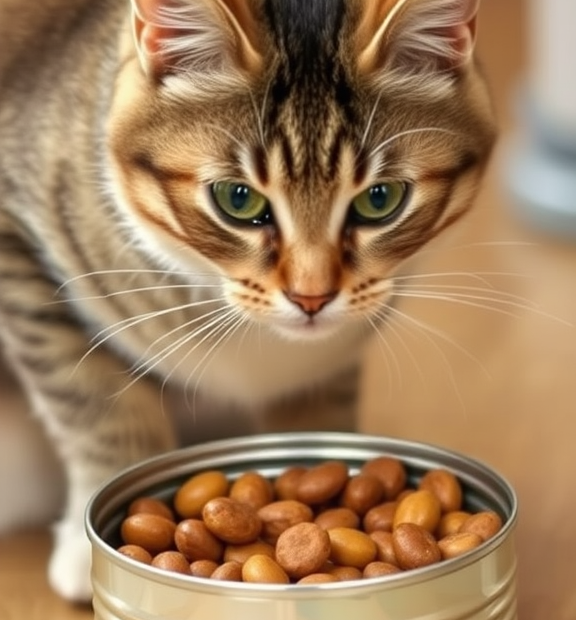
Innovative Cat Food Can Crafts: Creating Sliding-lid Feeders to Curb Fast Eating Habits
Fast eaters can be a challenge for pet owners. Cats, in particular, can gulp down their food in minutes, leading to digestive issues and obesity. One innovative solution to this problem is creating sliding-lid feeders using recycled cat food cans. These DIY feeders not only slow down fast eaters but also promote a fun and engaging feeding experience. Here’s how to get started and some tips to enhance your cat’s mealtime.
Before jumping into the crafting process, it’s essential to gather the right materials. Here’s a list of what you’ll need:
- Empty cat food cans
- Scissors or a can opener
- Sandpaper
- Non-toxic paint or decorations (optional)
- Strong adhesive (like hot glue or super glue)
- Sliding lid (can be made from cardboard or a plastic lid)
Once you have your materials, begin by cleaning your cat food cans thoroughly. It’s vital to remove all remnants of cat food to ensure they are safe for your feline friend. After cleaning, use sandpaper to smooth out any sharp edges around the can. This step is crucial to avoid hurting your cat during feeding time.
Next, it’s time to create the sliding mechanism. A simple way to do this is by cutting a rectangular opening on one side of the can. This should be large enough for your cat to access the food but not so large that it can eat too quickly. Measure the size of your sliding lid material; it should be slightly larger than the opening for easy movement.
Here are some steps to create the sliding-lid feature:
- Prepare the sliding lid by cutting a piece of cardboard or plastic.
- Attach one end of the sliding lid to the can using your adhesive.
- Ensure that the lid can slide back and forth smoothly without getting stuck.
- Test the sliding motion to make sure it’s workable.
To make your feeder more appealing, consider decorating the outside of the can. Using non-toxic paint, you can add colorful designs that match your home décor or your cat’s personality. This step adds a personal touch and may also make feeding time more enjoyable for you and your cat.
Once your sliding-lid feeder is complete, fill it with your cat’s favorite dry food. This is where the magic happens! With the food now inside the can, your cat will have to work a bit harder to access its meals. The sliding lid mechanism encourages slow eating, which can help with digestion and prevent issues associated with eating too quickly.
It’s fascinating how slow feeding can lead to significant health benefits. Here are some advantages of using sliding-lid feeders:
- Prevents Bloating: Fast eating can lead to bloating, which is uncomfortable for cats. Slower feeding reduces this risk.
- Encourages Natural Hunting Behavior: Cats naturally hunt and work for their food. This feeder mimics that behavior, providing mental stimulation.
- Reduces Obesity Risks: When cats eat slower, they are less likely to overeat, helping to maintain a healthy weight.
- Promotes Dental Health: Chewing kibble helps to keep your cat’s teeth clean and healthy.
Moreover, creating these sliding-lid feeders can be a fun project for you. It allows for creativity and personalization while doing something beneficial for your pet. Plus, you’re helping the environment by repurposing materials you might otherwise throw away.
Remember to monitor your cat while using the new feeder the first few times. Observe how they interact with the sliding lid and adjust the size of the opening or mechanism if necessary. You may need to try a few different designs until you find the one that works best for your cat’s feeding habits.
Involve your family in this project as well. It’s an excellent opportunity to teach children about recycling, responsibility, and caring for animals. Engaging in hands-on activities helps foster a sense of accomplishment, especially when you see how much your cat enjoys their new way of eating.
With just a few materials and a little creativity, you can transform an everyday cat food can into a sliding-lid feeder that promotes healthier eating habits for your beloved feline. Enjoy crafting and watching your cat thrive!
DIY Cat Enrichment: Fun and Functional Projects for Your Feline Friend
Creating a dynamic and enjoyable environment for your cat can be a fun and fulfilling challenge. Not only does DIY cat enrichment boost your feline friend’s happiness, but it also promotes physical health and mental stimulation. Engaging projects can transform your home and provide your pet with endless entertainment. Here are several creative and practical ideas for you to try.
Fun Feeding Stations
Transform mealtime into a playful experience with unique feeding solutions. One popular option is crafting a sliding-lid feeder. This type of feeder can help slow down fast eaters, making their meals last longer and promoting better digestion. You can make it using a few essential materials:
- A clean, empty cat food can
- A piece of cardboard or sturdy paper
- Glue or tape
- Scissors
First, cut a sliding lid from the cardboard large enough for your cat to slide open. Attach it to the can’s opening with tape or glue. Fill the can with your cat’s favorite kibble. Your cat will now need to slide open the lid to access its food, making breakfast a fun challenge!
Interactive Toys
Interactive toys keep cats entertained and mentally stimulated. Try making a feather wand. You can find most of the necessary materials around your home:
- A wooden dowel or a sturdy stick
- String or cord
- Craft feathers or strips from old fabric
Attach one end of the string to the wooden dowel. Then, tie the feathers or fabric strips to the other end. Your cat will love chasing and pouncing on this wand, getting a great workout in the process.
Puzzles for Treats
Encourage your cat to think and work for their treats with a DIY puzzle feeder. All you need are some small cardboard boxes:
- Small cardboard boxes
- Scissors
- Your cat’s favorite treats
Cut some holes into the sides of the boxes, big enough for your cat to reach their paw inside. Then, hide treats within the boxes. Your cat will enjoy figuring out how to get to them, combining playtime with a tasty reward!
Cozy Hideaways
Creating cozy hideaways is another great way to enrich your cat’s environment. Cats love to explore and seek out safe spaces. An easy project involves repurposing old furniture:
- Old cardboard boxes or wooden crates
- Blankets or soft towels
Cut doors into cardboard boxes or crates and line the inside with soft fabric. This simple creation will offer a perfect nook for your kitty to cuddle up and feel secure.
Window Perches
Let your cat experience the outside world from the comfort of your home. A window perch can be an excellent addition to your living space. For this project, you will need:
- A sturdy board
- Cushions or blankets for comfort
- Brackets for support
Attach the board to the window frame using brackets to ensure stability. Add a fluffy blanket for comfort, and soon your cat will enjoy sunny naps while watching the world go by.
Homemade Cat Grass
Encourage your cat’s love for nature by growing cat grass at home. This project is easy and requires:
- Seeds (wheatgrass or oat grass)
- Small pots or containers
- Potting soil
Fill the pots with soil and plant the seeds according to package instructions. Within a week or two, your cat will have fresh grass to munch on, enriching their environment in a delightful way.
All these DIY projects not only entertain your feline friend but also foster a stronger bond between you. By adding interactive elements to your home, you create a space where your cat can play, explore, and thrive. So roll up your sleeves, gather your materials, and start crafting your way to a happier, healthier cat!
Conclusion
Crafting sliding-lid feeders from cat food cans is not just a practical solution to curb your cat’s fast eating habits; it’s also an innovative way to enrich their environment. By repurposing materials you already have at home, you not only reduce waste but also engage your feline friend in a fun and stimulating activity. These DIY projects enable you to customize feeding experiences, promoting slower eating and reducing the risk of digestive issues that can arise from gulping down food too quickly.
Furthermore, creating enrichment tools like these can lead to a more engaged and content cat. They encourage natural behaviors and provide mental stimulation, which are important aspects of a healthy feline lifestyle. As you observe your cat navigating their new sliding-lid feeder, you might notice improvements in their eating habits, behavior, and overall happiness.
Taking the time to craft these feeders can also strengthen the bond between you and your pet. You’ll enjoy watching them interact with the feeder, and they’ll appreciate the care and creativity you’ve put into their mealtime experience. With a little effort and imagination, you can transform ordinary cat food cans into something remarkable that enhances your kitty’s daily routine. So why not dive into this creative venture today? Your cat deserves the best—both in their meals and the way they enjoy them!