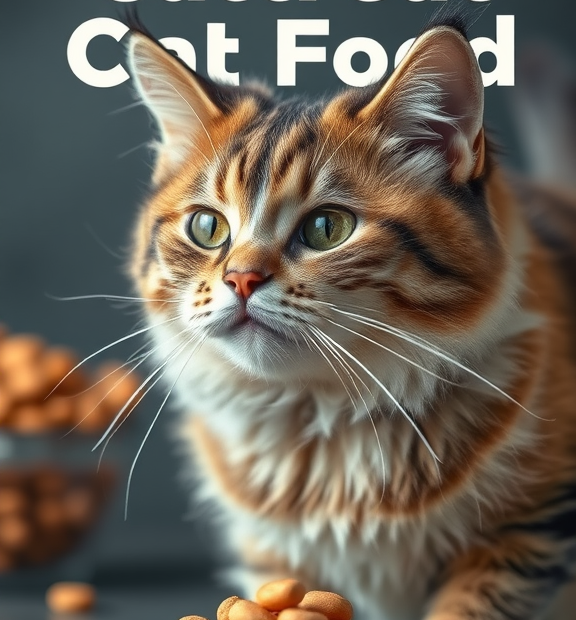
Choosing the Best Hairball Control Cat Food: Essential Ingredients and Benefits
When it comes to caring for your feline friend, one of the challenges many cat owners face is managing hairballs. These pesky little masses can cause discomfort for our cats and concern for us. Choosing the best hairball control cat food is essential to reduce the occurrence of hairballs and improve your cat’s overall health.
Understanding the essential ingredients in hairball control cat food can make all the difference in your cat’s diet. Here are some key components you should look for when selecting food aimed at reducing hairballs:
- Fiber: Look for foods high in fiber, as this helps to move hair through the digestive system. Ingredients like beet pulp, psyllium, and cellulose can aid digestion and minimize hairball formation.
- Healthy Fats: Omega-3 and Omega-6 fatty acids are beneficial not just for your cat’s skin and coat, but they can also help reduce the shedding of fur. These ingredients soothe the digestive system and enable smoother digestion.
- Quality Proteins: Cats are carnivores, and their food should be rich in high-quality protein from animal sources. Meat, fish, and poultry provide the necessary amino acids that support muscle development and overall health.
- Probiotics: Added probiotics can improve gut health. A healthy gut can enhance digestion and help prevent hairballs from forming by ensuring that your cat’s digestive system functions optimally.
- Natural Ingredients: Choose cat foods with minimal synthetic additives and fillers. A shorter ingredient list that focuses on natural elements usually indicates a healthier choice.
Benefits of selecting the best hairball control cat food extend beyond just the reduction of hairballs. Here’s how a well-formulated diet can enhance your cat’s life:
- Improved Digestive Health: When your cat eats food rich in natural fibers, it leads to better digestion. This reduces the likelihood of hairballs and other gastrointestinal issues.
- Healthier Coat: Cats that receive adequate nutrients, including healthy fats and proteins, tend to have shinier, healthier fur. This reduces shedding, thus minimizing the hair your cat ingests.
- Fewer Trips to the Vet: If your cat experiences less hairball-related distress, it can lead to fewer vet visits for potential blockages or other related health complications.
- Better Hydration: Many premium hairball control cat foods come in wet formulas, which contribute to your cat’s hydration balance. A well-hydrated cat is less prone to urinary issues and maintains optimal health.
As you search for the ideal hairball control cat food, it’s essential to consider your cat’s specific needs and preferences. Factors such as age, health conditions, and even flavor can play a role in which food will work best.
Another important factor to consider is the transition when introducing new food. Cats are creatures of habit and may take time to adjust to a new diet. Here are some tips for a smooth transition:
- Gradual Change: Mix the new food with the current food over a week or so. Start with a small amount of the new food, gradually increasing the proportion over time.
- Monitor Your Cat: Watch how your cat reacts to the new food. Look for signs of discomfort or refusal to eat. If your cat struggles, you may need to adjust your approach.
- Consult Your Vet: If you’re unsure which food to choose or whether your cat is ready for a change, consult your veterinarian for tailored advice.
Hairball control cat food into your furry friend’s diet can significantly improve their quality of life. By understanding the core ingredients and benefits, selecting the best option becomes an easier process. Keep your cat feeling great and hairball-free with the right nutrition.
Understanding the Human-Food Snacking Cycle in Cats and How to Break It
Have you ever noticed your cat begging for snacks from your plate? This behavior is common among cats that have developed a taste for human food. Understanding why this snacking cycle occurs and how to break it can make a significant difference in your feline’s health and well-being.
Many cats enjoy variety in their diet. Just like people, cats can become bored with their food. This boredom often leads them to seek out more exciting options, especially when they see their human enjoying a tasty meal. Human food typically smells and looks more appealing to them than their regular cat food, making it even more tempting. However, indulging your cat in human food can create unhealthy habits.
The problem with this cycle is that it can lead to serious health issues. Cats that frequently eat human food may face obesity, digestive problems, and even hairball issues. These complications arise because most human food is not formulated to meet a cat’s dietary needs. It’s crucial to provide a balanced, nutritious diet that keeps them healthy and satisfied.
To break the human-food snacking cycle, it’s important to set boundaries. Here are some effective strategies to encourage your cat to stick to their cat food:
- Establish a Feeding Schedule: Instead of leaving food out all day, create a specific feeding routine. Cats thrive on routine, and knowing when to expect food can reduce their craving for snacks.
- Limit Human Food Access: Be mindful of where you eat and store your food. If your cat has access to your plate or food scraps, they will be more likely to beg or sneak bites.
- Offer Treats Wisely: If you want to treat your cat, do so with appropriate cat treats rather than human food. Select treats that are specifically designed for cats to support their health.
- Choose the Right Cat Food: Opt for a high-quality cat food that is both nutritious and appealing to your cat. This helps satisfy their appetite, reducing the urge to seek out alternatives.
- Distract with Playtime: Engaging your cat in play can reduce their focus on begging for food. Exercise can help curb their cravings and keep them mentally stimulated.
- Avoid Feeding from the Table: Never give in to the cute begging eyes! Feeding your cat from the table only reinforces the behavior of begging.
Moreover, ensure that the cat food you provide supports their overall health. You might want to consider the best hairball control cat food options, especially if your cat is prone to hairballs. Grooming your cat regularly helps reduce shedding, and combining that with specialized food can aid in minimizing hairball formation.
Look for hairball control cat food that contains natural fibers, which can aid in the digestion of hair that may be ingested during grooming. Many brands offer specially formulated options for hairball management. These foods not only help with hairballs but can also satisfy your cat’s nutritional needs without the temptation of human food.
If your cat has been eating human food for a while, breaking the cycle may take time. Consistency is crucial. Gradually transition them back to a healthy diet by mixing their old food with the new. This tactic can help them adapt without a shock to their system.
Remember that cats get a sense of security from routines. By establishing a clear feeding schedule and sticking to it, you can help alleviate the urge to snack on human food. This adjustment may also help your relationship with your cat, as they learn to trust that their needs will always be met by you.
Ultimately, it’s about striking a balance. You want to enjoy your meals without feeling guilty when your cat watches you. With patience and persistence, you can successfully break the human-food snacking cycle in your cat. This not only enhances their health but also strengthens the bond you share while setting boundaries that promote a happy, healthy lifestyle for both of you.
Conclusion
Selecting the best hairball control cat food is an important step in ensuring your feline friend’s health and well-being. Understanding the essential ingredients that promote easy digestion and effective hairball reduction can make a significant difference in your cat’s quality of life. Look for formulas rich in fiber, omega fatty acids, and high-quality proteins, as these components work together to maintain a healthy digestive system and minimize hairball occurrences.
Additionally, breaking the human-food snacking cycle is crucial for your cat’s dietary health. Many cat owners unknowingly contribute to this habit by offering snacks that are not suited for their pets. By offering a high-quality hairball control food as their main diet, you can help instill better eating habits. Consistent feeding schedules and providing appropriate treats are key strategies to replace human food with healthier options designed specifically for cats.
Combining the right nutrition with a conscious effort to manage what your cat eats will not only help reduce hairballs but also pave the way for a healthier, happier pet. Making these changes may take time, but the benefits will be well worth the effort. A balanced diet paired with awareness of snacking habits creates a foundation for your cat’s health, preventing future issues and ensuring they feel their best every day. Embrace these strategies, and you’ll likely see a significant reduction in hairball problems while promoting a lifelong healthy relationship with food for your furry companion.