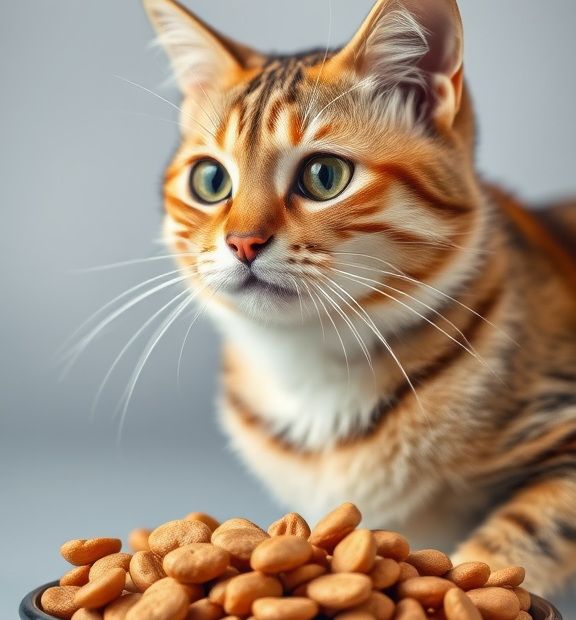
The Importance of Choosing the Best Hairball Control Cat Food for Cats with Sensitive Stomachs
When you are a cat owner, keeping your furry friend healthy is always a top priority. One common issue many cat owners face is hairballs. These pesky little things can cause discomfort in your cat and may lead to more serious health problems if not managed properly. For cats with sensitive stomachs, selecting the best hairball control cat food is crucial. Choosing the right food can greatly improve your cat’s quality of life and reduce the likelihood of hairball-related issues.
Hairballs form when cats groom themselves. Their rough tongues act like brushes, catching loose fur as they lick. Although it’s a natural behavior, some cats struggle to expel hairballs properly, especially if they have sensitive stomachs. This is where specialized cat foods come into play. The right hairball control formula can ease your cat’s tummy troubles while keeping hairballs at bay.
Here are several key factors to consider while selecting the best hairball control cat food for your feline friend with a sensitive stomach:
- Digestive Health Ingredients: Look for cat food that contains high-quality ingredients designed to support digestive health. Ingredients like prebiotics and probiotics help promote a healthy gut flora, which can aid in digestion and reduce vomiting.
- High Fiber Content: Foods with increased fiber help hair pass through the digestive system more easily, minimizing the chances of hairballs. Make sure the fiber comes from natural and digestible sources.
- Gentle Proteins: Cats with sensitive stomachs benefit from proteins that are easier to digest, such as chicken or lamb. Avoid foods that contain fillers or byproducts, which can aggravate stomach sensitivities.
- Omega Fatty Acids: Foods rich in omega-3 and omega-6 fatty acids can promote healthy skin and coat, reducing shedding and, therefore, hair ingestion.
- Non-Allergenic Formulas: If your cat has known allergies or sensitivities, opt for a formula that is specifically designed for sensitive stomachs. These often contain fewer, high-quality ingredients that are easier for your pet to digest.
When transitioning to a new hairball control cat food, it’s essential to do it gradually. Start by mixing a small amount of the new food with your cat’s current food. Over several days, gradually increase the new food’s ratio until you achieve a full transition. This helps prevent stomach upset and allows your cat to adjust to the new diet.
Monitoring your cat’s reaction to new food is equally important. Watch for any signs of discomfort, such as vomiting or diarrhea, as these may indicate an intolerance or allergic reaction. In such cases, consult your veterinarian to reevaluate the chosen diet.
Some popular prescription diets specifically formulated for hairball control include:
- Royal Canin Hairball Care
- Hill’s Science Diet Hairball Control
- Purina Pro Plan Veterinary Diets Hairball Management
- Medi-Cal Digestive Care for Cats with Sensitive Stomachs
These brands offer tailored nutrition that suits cats with both hairball issues and sensitive stomachs. Each of these options is designed not only to control hairballs but also to support overall digestive health. Always discuss with your veterinarian before starting any new diet, especially if your cat has special dietary needs or health concerns.
Feeding the best hairball control cat food can dramatically change your cat’s life. It reduces the occurrence of hairballs, enhances their digestive health, and can lead to a happier, healthier cat. By prioritizing these factors, you not only help your cat manage hairballs more effectively but also ensure they receive the nutrition they require. Remember, when you choose the right food for your cat, you’re not just feeding them – you’re nourishing their health and happiness.
Understanding Prescription Diets: How They Benefit Cats Prone to Hairballs and Digestive Issues
Understanding the needs of your feline friend is essential, especially when it comes to their diet. If your cat is prone to hairballs and digestive issues, a prescription diet can be immensely beneficial. These specialized diets are crafted to address the unique needs of cats who have sensitive stomachs while also managing hairball concerns.
Many cats naturally groom themselves, leading to hair ingestion. This can lead to hairballs, which are uncomfortable for your cat. Hairball control cat food helps reduce this issue by using specific ingredients and formulations that promote healthy digestion and hair passage.
Prescription diets often contain higher fiber content, which aids in pushing hair through the digestive system. By incorporating these diets into your cat’s feeding routine, you can help minimize the discomfort associated with hairballs. Here are some important aspects to understand about prescription diets for cats:
- High Fiber Content: Prescription diets specifically designed for hairball control typically contain increased amounts of fiber. This helps to regulate your cat’s digestive process and encourages the passage of ingested hair. Fiber also promotes a sense of fullness, which can help control overeating.
- Specialized Ingredients: Many commercial cat foods are filled with fillers that do not contribute to your cat’s nutritional needs. Prescription cat foods often use high-quality, digestible ingredients that boost your cat’s overall health and tackle hairball formation efficiently. Look for formulas containing beet pulp or psyllium, which are beneficial for digestion.
- Lower Fat Content: Some cats that struggle with hairballs are also prone to weight gain. Prescription diets often have lower fat content, assisting in maintaining a healthy weight and reducing the risk of obesity-related issues, all while still providing complete nutrition.
- Veterinary Guidance: It’s crucial to consult with your veterinarian when switching to a prescription diet. They can recommend options based on your cat’s specific health needs. A professional’s insight will ensure the diet is suited to alleviate hairball issues while addressing any other digestive concerns.
- Strict Quality Control: Prescription cat foods are produced under stricter regulations than regular cat food. This means that the quality of ingredients is generally higher, and the recipes are held to stringent standards. As a result, you can trust that your cat is receiving beneficial nutrients.
When considering the best hairball control cat food, it’s crucial to note that each cat is unique. Factors such as age, weight, and health conditions all play a role in your cat’s nutritional needs. Prescription diets are not one-size-fits-all; rather, they are tailored for specific needs. This means your cat’s overall health, including its gastrointestinal system, could improve notably with the right prescription diet.
Additionally, if your cat has shown signs of a sensitive stomach, choosing a diet designed for this purpose is paramount. These foods often include ingredients that soothe the digestive tract, further promoting overall health. Conditions such as irritable bowel syndrome (IBS) or food intolerances can be successfully managed with the correct prescription diet, which benefits you and your furry friend. Being proactive with your cat’s diet can lead to better health outcomes over time.
Making dietary changes can require patience. Cats may take time to adjust to a new food, especially if they are picky eaters. Offering your cat the new prescription food gradually will help acclimate them to the change. Mix the new food with their current diet over several days, increasing the proportion of the prescription diet until it makes up a full meal.
Recognizing the signs of hairballs, such as frequent retching or visible hairballs, is vital. If these behaviors persist despite dietary changes, it’s advisable to revisit a veterinary professional. Regular check-ins can help you stay informed about any needed changes in your cat’s diet, ensuring that they remain healthy and comfortable.
Investing time in understanding prescription diets can have a significant impact on your cat’s health. By selecting the right hairball control cat food tailored for sensitive stomachs, you are working towards a happier, healthier life for your feline companion. Regular health checks with your vet and dietary adjustments are crucial in ensuring your cat thrives.
Conclusion
Selecting the right hairball control cat food is crucial for owners of cats with sensitive stomachs. Cats often experience discomfort and health issues related to hairballs, and the right diet can make a significant difference. By focusing on specialized solutions, you can help your furry friend maintain a healthy digestive system while minimizing hairball formation.
Prescription diets are tailored specifically for cats that struggle with gastrointestinal sensitivities and hairball issues. These diets contain carefully balanced nutrients that promote digestive health, ensure proper coat care, and reduce hairball occurrences. They often include fibers that aid in digestion and facilitate hair passage through the digestive tract, thus reducing the likelihood of hairballs.
Choosing prescription diets for your cat can lead to happier and healthier living. It’s essential to consult with your veterinarian to determine the best options for your feline friend, as they can recommend products that align with individual health needs. With the right hairball control food, you not only support your cat’s digestive system but also enhance their overall quality of life.
Investing in a suitable diet for your cat is an act of love that fosters well-being. Remember, a happy cat with a healthy stomach leads to a joyful home. By prioritizing the best hairball control cat food, you take an important step toward ensuring that your cherished companion lives a comfortable and vibrant life.