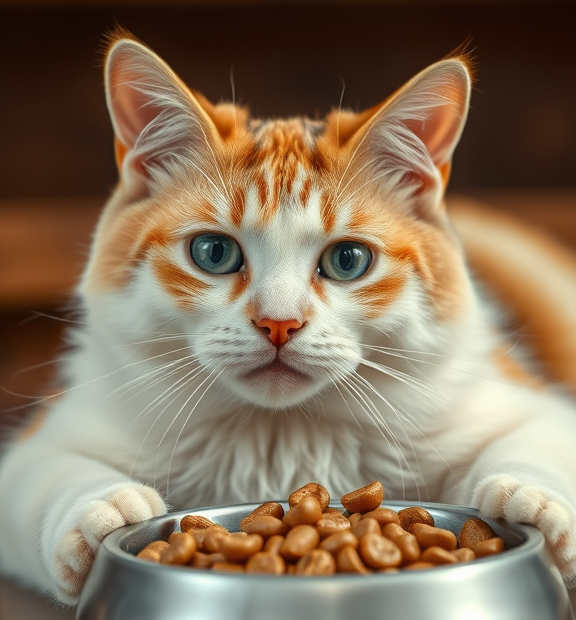
The Benefits of Choosing Cat Food with High Protein for Your Feline Friend
When it comes to choosing the right cat food, understanding the importance of protein can significantly enhance your cat’s health and vitality. Cats are obligate carnivores, which means they thrive on a diet primarily made up of meat. Selecting cat food with high protein content is an essential step in ensuring your feline friend receives the nutrition it needs for optimal wellness.
One of the most notable benefits of high protein cat food is its ability to support muscle health. Cats require amino acids, which are the building blocks of protein, to maintain strong muscles. This is particularly crucial for active cats or those that may be aging and require extra support for keeping their muscle mass intact. When you choose cat food rich in protein, you’re not just feeding them; you’re providing them with the necessary nutrients that promote a healthy and active lifestyle.
Additionally, high protein diets can help manage weight in cats. Obesity is a common issue among indoor cats, which can lead to a slew of health problems, such as diabetes and joint issues. Protein has a higher thermic effect than carbs and fats, meaning that your cat burns more calories digesting proteins. A diet packed with protein can also promote satiety, making your cat feel fuller and less likely to overeat. This can reduce the risk of weight gain and help maintain a healthy weight over time.
High protein cat food can also improve coat and skin health. Quality protein sources, like fish or chicken, are rich in essential fatty acids and vitamins that contribute to a shiny coat and healthy skin. If you’ve noticed your cat’s fur looking dull or lifeless, switching to a protein-rich diet might give them the boost they need. Healthy fat levels that come from high-quality protein can lead to fewer skin issues and reduced shedding, keeping your home more comfortable for both you and your pet.
Moreover, a diet high in protein supports a stable level of energy. Active cats, such as those that enjoy playing or exploring outside, require more energy than sedentary ones. High protein cat food provides a steady source of energy, allowing your feline friend to engage in their favorite activities without fatigue. You’ll notice a significant difference in their overall behavior, mood, and interaction levels when they have sustained energy throughout the day.
When looking at the specific types of protein in cat food, prioritize high-quality sources. Ingredients like real meat, fish, or poultry should be at the top of the ingredient list. Avoid cat foods that primarily contain fillers such as corn, wheat, or soy, as these do not provide the nutritional benefits that protein from animal sources offers. Look for products that highlight the protein content; ideally, it should be above 30% for dry food and around 50% for wet food. This will help ensure that your cat gets a nutritious diet that caters to its natural dietary needs.
- Supports Muscle Health: Helps build and maintain strong muscles, especially crucial for active and aging cats.
- Weight Management: Promotes satiety and can aid in maintaining a healthy weight, reducing the risk of obesity-related issues.
- Improves Skin and Coat: High-quality proteins contribute to a shinier coat and healthier skin, reducing shedding and skin irritations.
- Boosts Energy Levels: Provides sustained energy, allowing your cat to be more active and playful throughout the day.
- Enhances Overall Health: High protein content supports various bodily functions and helps maintain overall wellness.
High protein cat food into your cat’s diet can lead to substantial improvements in their health, appearance, and mood. Always consult your veterinarian to ensure that your chosen food aligns with your cat’s specific health needs, especially if they have any existing conditions. Making informed decisions about your pet’s nutrition is an investment in their health and happiness for years to come. So, the next time you’re shopping for cat food, remember that choosing one with high protein content can make a world of difference for your furry friend.
How to Identify Quality High-Protein Cat Foods in the Market
Finding quality high-protein cat food is important for your feline friend’s health and vitality. This means that knowing how to identify the best options in the market can make all the difference. When choosing cat food, focusing on protein content is essential, as a protein-rich diet supports your cat’s muscle development and overall well-being.
One of the first steps is to check the ingredient list. The ingredients are usually listed in order of quantity. You want to see a high-quality protein source listed as the first ingredient. Look for meats like chicken, turkey, or fish, as they provide essential amino acids that cats need for energy. Avoid foods that list meat by-products as the primary ingredient, since these can include lower quality protein sources.
Next, pay attention to the overall protein percentage. High-protein cat food typically contains at least 30% protein on a dry matter basis. If possible, look for formulas that exceed that percentage for better nutrition. You can find this information on the packaging, under the guaranteed analysis section. Compare this percentage across various brands to identify which ones truly prioritize high protein content.
Another factor to consider is the presence of additional protein sources, such as eggs or certain plant proteins. Although cats are obligate carnivores, these extra protein sources can add variety to their diet. However, it’s crucial to ensure that the main protein sources are animal-based. This way, your cat gets the nutrients it needs to thrive.
Reading reviews can also provide insight into the quality of high-protein cat food. User experiences often highlight important aspects such as palatability and health benefits noticed after feeding. Look for reviews that mention improvements in coat condition, energy levels, and overall health. This can guide you towards specific brands that are well-regarded by other cat owners.
When researching brands, verify that they adhere to strict quality control measures. High-quality cat food manufacturers often conduct feeding trials and follow standards set by governing bodies such as the Association of American Feed Control Officials (AAFCO). Products that meet AAFCO standards are formulated to provide complete and balanced nutrition for your cat.
Another tip is to check for the absence of artificial additives. High-protein cat foods should avoid fillers and artificial ingredients, which can detract from the nutritional value. Ingredients like corn, wheat, and soy should be minimal or absent altogether, as these can provide empty calories that do not support your cat’s health.
You may also want to consider the formulation of the food. Dry kibble is convenient, but wet or canned food can be higher in protein and moisture, which is beneficial for a cat’s urinary health. A mix of wet and dry food may offer the best of both worlds, keeping your cat hydrated while ensuring adequate protein intake.
Think about your cat’s specific needs based on their age, weight, and activity level when selecting high-protein food. Kittens, for instance, require a diet higher in protein and calories than adult cats. Likewise, active cats may benefit from increased protein to support their energy levels. Consider consulting with your veterinarian to tailor your cat’s diet appropriately.
- Check ingredient lists for high-quality protein sources like chicken or fish.
- Aim for at least 30% protein content in dry food.
- Look for additional protein sources beyond meat.
- Read reviews to gain insight into other cat owners’ experiences.
- Verify adherence to quality control measures and AAFCO standards.
- Avoid artificial additives and fillers.
- Consider the food formulation, combining wet and dry options if desired.
- Tailor your cat’s diet to their specific needs based on age and activity.
By putting in a little effort to research and evaluate the options available, you can choose a high-protein cat food that not only meets your pet’s nutritional needs but also enhances their quality of life. Remember, a healthy, high-protein diet is key to keeping your cat happy and active for years to come. Keep your cat’s individual requirements in mind, and always consult your veterinarian for personalized advice.
Conclusion
Choosing cat food with high protein is a significant step towards ensuring a healthy diet for your feline companion. Cats are obligate carnivores, which means they thrive on protein-rich diets that mirror their natural eating habits. A high-protein diet can enhance their energy levels, promote lean muscle development, and improve coat condition, making your cat not just look good, but feel good too.
As you navigate the market for quality high-protein cat foods, understanding how to identify the best options is crucial. Look for ingredients that list real meats like chicken, turkey, or fish as the first item, as these are indications of high-quality protein sources. Avoid products that feature fillers or vague terms like "meat by-products." Instead, prioritize foods that clearly indicate their protein content and come from reputable brands.
Always check for certifications and consult reviews to gauge other pet owners’ experiences. It’s also a good idea to consult with your veterinarian, who can provide personalized recommendations based on your cat’s specific health needs and lifestyle. By being informed and selecting the right high-protein cat food, you are investing in your cat’s long-term health, vitality, and happiness.
Keep your furry friend’s well-being in mind as you make this important decision, understanding that a balanced, protein-rich diet is key to giving them the best life possible. With the right choices, you’ll be contributing positively to their overall quality of life.