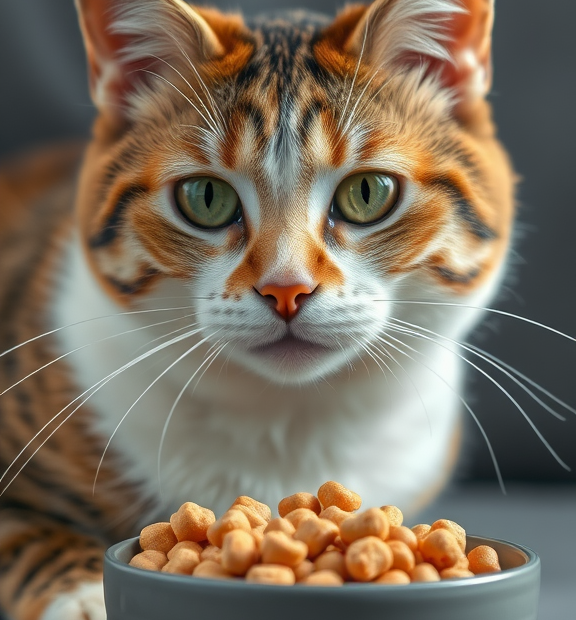
Benefits of High Fiber Foods for Cats: Enhancing Digestive Health
Your cat’s health is essential, and one key aspect of maintaining it is through proper nutrition. High fiber foods for cats play a crucial role in enhancing their digestive health. fiber into your feline friend’s diet can bring numerous benefits that can improve their overall well-being.
One of the primary benefits of high fiber foods is their ability to aid digestion. Cats can sometimes suffer from digestive issues such as constipation or hairballs. High fiber foods help by promoting regular bowel movements. This can reduce the discomfort associated with constipation, allowing your cat to feel more comfortable and active.
Here are several ways in which high fiber foods can enhance digestive health for your cat:
- Improves Bowel Movements: Fiber adds bulk to your cat’s stool, making it easier for them to pass. This is especially helpful for senior cats or those prone to digestive issues.
- Reduces Hairballs: Cats groom themselves frequently, leading to hair ingestion. High fiber can help push these hairs through the digestive tract, significantly reducing hairballs.
- Balances Gut Health: Fiber acts as a prebiotic, feeding the healthy bacteria in your cat’s gut. This balance is crucial for effective nutrient absorption and overall gut health.
- Weight Management: High fiber foods can keep your cat feeling full longer, which may help prevent overeating. This is particularly beneficial if your cat needs to lose weight or maintain a healthy weight.
- Prevents Digestive Disorders: By ensuring regular bowel movements and promoting gut health, a high fiber diet can help guard against various digestive disorders.
When selecting high fiber foods for your cat, you may consider specific ingredients known for their fiber content. Some excellent options include:
- Pumpkin: This natural ingredient is high in fiber and helps both regularity and softening of the stool, making it an ideal choice for homemade cat foods or treats.
- Green Beans: These are not only low in calories but also a good source of fiber. They can be served steamed or lightly cooked.
- Sweet Potatoes: Another fiber-rich option that can help with digestion. Ensure they are cooked and manageable for your cat to eat.
- Canned Peas: These can provide a good fiber boost and can mix well with dry food or other wet meals.
- Oat Bran: Often found in high-quality cat foods, oat bran can be an effective source of soluble fiber.
When introducing high fiber foods into your cat’s diet, it’s important to do so gradually. Sudden changes in diet can lead to digestive upset. Start with small amounts and observe how your cat reacts. If you notice any changes in bathroom habits or any signs of discomfort, consult your veterinarian immediately for advice.
Regardless of the fiber source, ensure the overall diet remains balanced. Cats are obligate carnivores, so their primary nutrients should still come from animal sources. High fiber foods should complement, not replace, the essential proteins and fats necessary for your cat’s health.
Reading labels is key when purchasing commercial cat foods. Look for those that contain natural fiber sources and avoid fillers that may not furnish the same benefits. High-quality foods often list ingredients like beet pulp, pumpkin, or flaxseed as their primary fiber sources. Your veterinarian can also recommend specific brands that suit your cat’s needs.
High fiber foods could significantly enhance your cat’s digestive health. By improving bowel regularity, reducing hairballs, and promoting gut health, you’ll be setting your cat up for a happier and healthier life. Always consider your pet’s individual needs and consult with your veterinarian to ensure that adding more fiber is appropriate for them. With the right balance, you can help your furry friend thrive!
Top High Fiber Foods to Include in Your Cat’s Diet
Including high fiber foods in your cat’s diet can greatly improve their overall health and digestion. Fiber plays a crucial role in maintaining digestive regularity and preventing issues like constipation and obesity. While most cat food brands focus on protein, it’s essential to consider the benefits of adding fiber-rich options to your feline friend’s meals. Below are some nutritious high-fiber foods that you can include in your cat’s diet.
Pumpkin
Pumpkin is a natural high-fiber food that many cats love. It is rich in soluble fiber, which can help aid digestion and prevent constipation. When incorporating pumpkin into your cat’s diet, opt for plain canned pumpkin (not the spiced pie filling) and serve it in small amounts mixed with their regular food.
Green Beans
Green beans are low in calories and high in fiber, making them an excellent choice for overweight cats. They provide a satisfying crunch and can help your cat feel fuller between meals. You can serve cooked green beans or offer them canned. Just make sure they are plain without any added salt or spices.
Carrots
Carrots are another veggie that can benefit your cat’s digestive health. Rich in fiber, carrots also provide important vitamins. You can steam or boil them to soften the texture, making it easier for your cat to chew and digest. Chop them into small pieces to avoid choking.
Psyllium Husk
Psyllium husk is a natural fiber supplement that can be sprinkled into your cat’s food. It works wonderfully for promoting regular bowel movements and can alleviate constipation. Start with a tiny amount and gradually increase it depending on your cat’s needs, while monitoring their response.
Brussels Sprouts
Though not every cat will take to them, Brussels sprouts are packed with fiber and nutrients. These little vegetables can be prepared by steaming or boiling, similar to other veggies. Be sure to chop them into small, manageable bites before offering them to your cat.
Oatmeal
Oatmeal is another fantastic source of fiber. It can be cooked and mixed into your cat’s regular food. Not only does it help with digestion, but it also provides a healthy dose of energy. Ensure it is plain oatmeal without any added sugars or flavorings, and serve it in moderation.
Cat Grass
Many cats love nibbling on cat grass, which is not only a source of fiber but also helps with hairball prevention. Cat grass can be purchased in stores or grown at home. It’s a natural way to encourage your cat to get more fiber while enjoying a tasty treat.
Sweet Potatoes
Sweet potatoes are a nutritious addition to your cat’s diet. They are rich in fiber and provide essential vitamins. You can cook them and mash them up before mixing them into your cat’s food. Just like pumpkin, sweet potatoes should be plain without any added seasonings.
Chia Seeds
Chia seeds are a powerhouse of nutrition and fiber. They can absorb water and form a gel-like substance, which helps with digestion. A small amount can be sprinkled on your cat’s food, offering both fiber and healthy fats. Just make sure they are given in moderation.
Peas
Green peas are packed with fiber and are often found in premium cat foods. You can serve them fresh, frozen, or canned. Just be cautious with canned peas, ensuring they do not have added salt. Peas make a great treat as well as a fiber-rich addition to meals.
These high-fiber foods into your cat’s diet can lead to many health benefits. However, it’s essential to introduce any new food gradually. Monitor your cat’s reactions and consult your vet before making significant changes to their diet. Keeping your cat healthy and happy is a rewarding endeavor, and providing them with a balanced diet is crucial. Don’t hesitate to experiment with these high-fiber options, and you’ll likely see positive changes in your cat’s health.
Conclusion
High fiber foods into your cat’s diet can lead to remarkable benefits, especially when it comes to enhancing digestive health. Fiber plays a crucial role in promoting proper bowel function, helping to prevent constipation and ensuring your feline friend maintains a healthy weight. It also aids in the absorption of nutrients, making sure your cat gets all the essentials it needs from its food.
When considering the best high fiber foods for your cat, options like pumpkin, green beans, and oats can be fantastic additions. These foods not only provide the necessary fiber but also offer vitamins and minerals that contribute to overall well-being. Including a variety of these fibrous foods in your cat’s meals can make mealtime exciting and beneficial at the same time.
As you make dietary changes for your cat, it’s important to introduce fiber gradually. This allows their digestive system to adjust, reducing the risk of any unwanted stomach upset. Always consult with your veterinarian before making significant changes to your cat’s diet to ensure it aligns with their health needs.
Ultimately, a well-rounded diet rich in high fiber foods can enhance your cat’s quality of life. By focusing on their digestive health and offering tasty, nutritious options, you are investing in their long-term well-being. Happy feeding, and watch your cat thrive with their new high fiber diet!