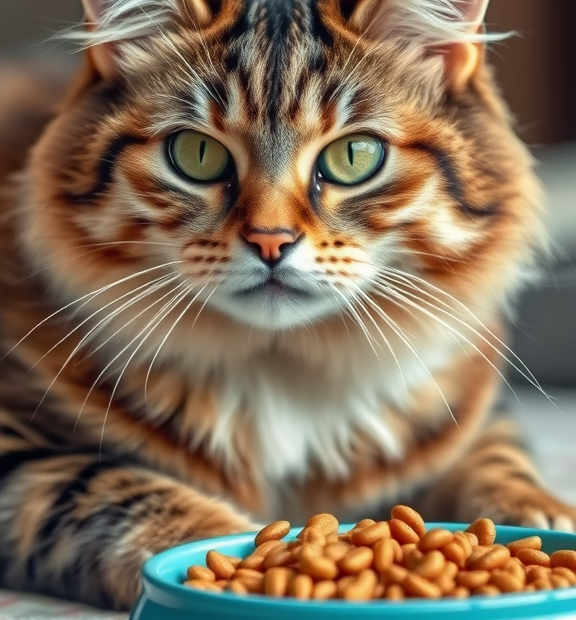
The Benefits of Soft Dry Food for Older Cats: Enhancing Nutrition and Digestibility
As our beloved felines age, their dietary needs evolve along with them. Older cats often face challenges that the younger crowd doesn’t, particularly in regard to their teeth and digestion. This is where soft dry food comes into play, offering a fantastic combination of nutritional benefits and ease of eating. Understanding the advantages of soft dry food for older cats can greatly enhance their health and overall well-being.
One of the standout benefits of soft dry food is its improved digestibility. As cats grow older, many experience issues like reduced appetite or dental problems that make chewing harder. Traditional hard kibble may present difficulties in swallowing or lead to discomfort while eating. With soft dry food, the texture is typically gentler on their teeth and gums, making it more enticing to eat. This is particularly important since older cats need a steady intake of nutrients to maintain their health.
Soft dry food doesn’t compromise on nutrition. Most brands specifically design these formulas to meet the unique needs of aging cats. Here’s why they can be a great choice for your furry friend:
- High-quality protein: Older cats require protein to maintain muscle mass as they age. Soft dry food is often packed with high-quality protein sources that support muscle retention.
- Enhanced vitamins and minerals: Many soft dry food options contain vitamins and minerals tailored for older cats, providing additional support for their immune systems and overall health.
- Weight management: Soft dry food typically has fewer carbohydrates and calories, helping to control weight gain that often becomes an issue with aging cats.
- Moisture content: While it may seem dry, soft dry food often retains a bit of moisture which can aid in hydration. This is crucial as older cats often don’t drink enough water.
- Digestive health: Ingredients like prebiotics and fiber may be included to aid digestion, which is particularly beneficial for senior cats who may have slower gastrointestinal function.
Another essential aspect to consider is the palatability of soft dry food. Many older cats can be picky eaters, especially if they are dealing with dental pain or other health issues. The softer texture of this type of food generally makes it more appealing. It’s often flavored in a way that entices even the most finicky cats, encouraging them to eat regularly.
Furthermore, soft dry food can be mixed with wet food for those cats that enjoy a bit of variety in texture. This can provide an enriching dining experience that keeps mealtime interesting. Adding a bit of water or broth can also enhance the hydrating effects and flavor while maintaining the benefits of the high-quality ingredients found in soft dry food.
When selecting the right soft dry food for your older cat, pay attention to the ingredient list. You want to look for:
- Real meat: Ensure the primary ingredient is a high-quality protein source like chicken or fish.
- Limited fillers: Avoid foods filled with unnecessary additives and fillers. Focus on high nutritional value.
- Age-specific formulas: Some brands cater specifically to senior cats with unique nutritional needs, so look for these specialized options.
Consulting with your veterinarian can also help you make the best choice for your cat’s specific health condition. They may recommend certain brands or specific ingredients tailored to your pet’s dietary requirements.
Switching your senior cat to soft dry food can also alleviate the anxiety often experienced during mealtime, as it can be easier and more comfortable for them to eat. This, in turn, fosters a peaceful eating environment, allowing your furry companion to enjoy their meals and absorb the nutrients they need.
Implementing soft dry food into your older cat’s diet can significantly improve their nutritional intake and digestive health. With its appealing texture, high-quality ingredients, and focused benefits aimed at aging felines, this food choice is worth considering. Giving your senior cat the right nutrition can lead to a healthier, happier life, supporting their longevity as you continue to share those special moments together.
Tips for Transitioning Your Senior Cat to Soft Dry Food: A Step-by-Step Guide
As our beloved feline friends grow older, they often require changes in their diet to accommodate their unique health needs. One option you might consider is soft dry food specifically formulated for older cats. This type of food provides the benefits of dry food while also being easier on their aging teeth and digestive systems. Transitioning your senior cat to soft dry food can be a delicate process, but with the right strategy, it can be done smoothly and effectively.
Assess Your Cat’s Current Diet
The first step in any transition is understanding what your cat is currently eating. Take note of the types of food your cat enjoys, whether it’s canned, dry, or a mix. This knowledge will help you choose a soft dry food that aligns with their preferences. You’ll also want to check for any signs of food sensitivities or allergies, as this will inform your choice of new food.
Choose the Right Soft Dry Food
When selecting a soft dry food for your senior cat, consider the following factors:
- High-Quality Ingredients: Look for food made with real meat as the first ingredient, ensuring it’s nutrient-rich.
- Age Appropriateness: Select products specifically formulated for senior cats, as they will often have lower calories and adjusted nutrients.
- Texture: Choose brands that offer a softer texture if your cat has dental issues.
- Flavor: Opt for flavors your cat loves to increase the likelihood of acceptance.
Gradual Transition Process
Changing your cat’s diet should not be done abruptly, as this can lead to digestive upset. Instead, follow these steps for a smooth transition:
- Start Slowly: Begin by mixing a small amount of the soft dry food with their current food. Aim for a ratio of about 10% new food and 90% old food.
- Observe Reactions: Watch how your cat reacts to the new food. Look for any signs of upset stomach or refusal to eat.
- Gradually Increase Amounts: If there are no negative reactions after a few days, gradually increase the portion of soft dry food while decreasing the old food. Do this over a week to ten days.
- Monitor Eating Habits: Keep an eye on how much and how often your cat is eating. Adjust the ratio as necessary.
Encourage Hydration
While soft dry food helps with hydration, it’s essential to ensure your cat stays well-hydrated. Older cats are more prone to dehydration, so encourage them to drink water regularly. You might also consider providing wet food a few times a week to supplement their water intake. Additionally, try using a pet water fountain, as many cats are attracted to running water.
Be Patient and Supportive
Every cat is unique, and some may take longer than others to adjust to new food. Be patient throughout this process. Offer praise, treats, and plenty of affection to reassure your cat during this transition. This positive reinforcement can help them feel more comfortable with their new diet.
Watch for Health Signs
During the transition, keep a close eye on your cat’s health. Look out for:
- Weight loss or gain
- Changes in stool consistency
- Changes in energy levels
- Overall mood changes
If you notice any of these issues, consult your veterinarian as soon as possible. They may suggest alternative soft dry foods or discuss other dietary considerations.
Consult Your Veterinarian
It’s always a good idea to keep your veterinarian informed about your cat’s diet changes. They can offer personalized advice and help you choose the best soft dry food for your older cat. Regular check-ups can also ensure that your cat remains healthy and happy during their dietary transition.
Making the switch to soft dry food can greatly benefit your senior cat. By following these steps, you can help ensure that your furry friend will be getting the nutrition they need in a way that suits their aging body.
Conclusion
Choosing the right diet for your older cat can significantly enhance their overall health and well-being. Soft dry food offers numerous benefits, including improved nutrition and easier digestibility, which are essential for senior cats with specific dietary needs. By prioritizing the quality and texture of the food, you can help ensure that your furry friend receives the vital nutrients they require as they age.
Transitioning to soft dry food doesn’t have to be a daunting task. By following a step-by-step guide, you can make this change smooth and stress-free for your cat. Gradually introducing the new food alongside their current diet while monitoring their response will not only provide a sense of security to your pet but also help you assess how well they adapt to the new texture and ingredients.
Ultimately, the goal is to support your older cat in maintaining their health, comfort, and happiness. With the right soft dry food, you can promote better hydration, reduce dental issues, and ensure that your pet enjoys their meals at any age. Remember to keep an eye on their preferences and consult your veterinarian for personalized recommendations. By taking these steps, you are not just feeding your cat; you are investing in their quality of life, ensuring they thrive in their senior years. Your attentive care can make all the difference, so embrace this opportunity to nurture your beloved companion with thoughtful nutrition.