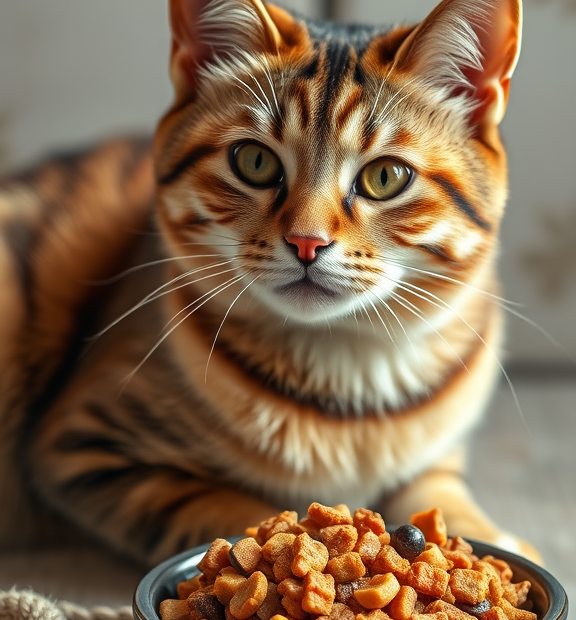
Creative Cat Food Homemade Recipes for Healthier Felines
Creating homemade cat food can be a rewarding experience for both you and your feline friend. With the right ingredients, you can whip up delicious and nutritious meals that cater to your cat’s specific dietary needs. Here are some creative cat food homemade recipes that are easy to prepare and packed with essential vitamins and minerals to keep your kitty healthy and happy.
Chicken and Rice Delight
This simple recipe is a favorite among many cats. The mix of chicken, rice, and carrots provides protein and digestible carbs.
- 1 cup cooked chicken, shredded
- 1/2 cup cooked rice
- 1/4 cup carrots, finely chopped
- 1/4 cup chicken broth (low sodium)
To prepare, mix all ingredients in a bowl. Heat it slightly for added warmth, as cats enjoy their meals warm. This recipe can be stored in the fridge for up to three days.
Fishy Feast
If your cat loves fish, try this nutrient-rich fish recipe. It’s loaded with omega-3 fatty acids, which are great for your cat’s skin and coat.
- 1 can tuna in water (drained)
- 1/4 cup cooked quinoa
- 1/4 cup spinach, cooked and chopped
- 1 tablespoon olive oil
Combine the tuna, quinoa, spinach, and olive oil in a bowl. Mix thoroughly and serve. This meal can be a delightful treat for your cat, and it should not be fed daily due to the potential for mercury buildup.
Beef and Sweet Potato Combo
For a hearty meal, try this beef and sweet potato combo. It’s not only delicious but also very filling for your furry buddy.
- 1 cup ground beef, cooked
- 1/2 cup sweet potato, cooked and mashed
- 1/4 cup peas, cooked
Mix the ground beef with sweet potato and peas. This dish is rich in protein and fiber, promoting a healthy digestive system for your cat. You can store leftovers in the refrigerator for up to four days.
Poultry and Pumpkin Morsels
Pumpkin is known for its digestive benefits. This recipe makes a great meal or snack.
- 1 cup cooked chicken, finely chopped
- 1/2 cup pumpkin puree (not the spiced pie filling)
- 1/4 cup broccoli, chopped and steamed
Combine the chicken, pumpkin puree, and broccoli in a bowl. This tasty mix is great for cats with sensitive tummies, thanks to its high fiber content. Serve it fresh or as treats.
Egg and Veggie Medley
Eggs are an excellent source of protein and can be prepared in various ways. This dish includes healthy veggies for added nutrition.
- 1 scrambled egg
- 1/4 cup zucchini, finely chopped
- 1/4 cup bell pepper, finely chopped
- 1 teaspoon parsley, chopped
First, scramble the egg in a pan. Once cooked, add the chopped zucchini and bell pepper. Cook until veggies are tender, then sprinkle with parsley. Allow it to cool before serving to your cat.
Making cat food at home allows you to control the ingredients, ensuring your feline eats nothing but the best. Experiment with these recipes and adjust components based on your cat’s preferences or dietary restrictions. Always remember to consult with your vet before introducing new foods, as each cat has unique dietary needs.
With these creative cat food homemade recipes, you can provide healthier, fresher meals for your furry companion. It’s a delightful way to bond and show your love, and you might just find that your kitty purrs a little louder at mealtime.
Nutritional Benefits of Using Fresh Ingredients in Cat Meals
Did you know that the food you offer your cat can significantly influence their health and well-being? Using fresh ingredients in your cat’s meals can unlock a treasure trove of nutritional benefits. When you make cat food at home, you gain control over what goes into each meal and how it benefits your feline friend. Not only does this choice lead to better health, but it can also make mealtime more enjoyable for your cat.
Fresh ingredients, like lean meats, vegetables, and grains, provide essential nutrients that processed foods often lack. The variety and quality impact everything from your cat’s coat to their energy levels. If you’re thinking about transitioning to homemade meals, consider the following nutritional benefits of using fresh ingredients:
- Higher Protein Content: Fresh meats are the primary source of protein that cats require for muscle development. A protein-rich diet supports growth and keeps your cat active.
- Improved Digestive Health: Fresh fruits and vegetables can provide necessary fiber, which helps in digestion. Ingredients like pumpkin or sweet potato can soothe a cat’s stomach and aid regularity.
- Better Hydration: Fresh ingredients often contain more water than dry kibble. Adding moisture through ingredients like broth or cooked fish can keep your cat hydrated and healthy.
- No Fillers or By-products: By preparing meals at home, you can eliminate fillers and low-quality by-products commonly found in commercial cat foods. This ensures your cat gets only the best ingredients.
- Customized Nutrition: Every cat is unique, and their dietary needs vary. Utilizing fresh ingredients allows you to tailor recipes to meet specific health requirements, whether for weight control or an allergy elimination diet.
When creating meals from fresh ingredients, consider incorporating various components to balance your cat’s diet effectively. Here are some nutritious ingredients you might want to include:
- Lean Meats: Chicken, turkey, and fish are excellent protein sources and often preferred by cats. They provide amino acids necessary for overall health.
- Vegetables: Carrots, peas, and spinach are nutrient-rich and can be mashed or finely chopped. They offer vitamins and minerals vital for your cat’s immune system.
- Whole Grains: Ingredients like brown rice or oatmeal can serve as a good source of energy and help with protein absorption.
- Healthy Fats: Omega-3 and Omega-6 fatty acids are essential for a glossy coat and healthy skin. Consider adding fish oil or flaxseed oil to your homemade recipes.
The process of making cat food with fresh ingredients can also be a fun activity. Involving family members or friends in meal preparation can turn a simple cooking task into an enjoyable experience. Additionally, you will get to witness the joy your cat finds in eating food made just for them, filled with love and care.
When planning homemade meals, it’s crucial to maintain a balance to avoid nutritional deficiencies. Consider consulting with a veterinary nutritionist to ensure that each meal satisfies all dietary requirements. Balancing ingredients to include both macronutrients (proteins, fats, and carbs) and micronutrients (vitamins and minerals) is vital. You can find various recipes online that cater to different dietary needs, ensuring a complete and balanced diet for your furry friend.
As you take the journey into homemade cat food, remember to transition your cat gradually. Switching too rapidly can upset their stomachs. Start by mixing a small portion of homemade food with their regular food, slowly increasing the homemade part over days or weeks.
To sum it up, cooking meals with fresh ingredients for your cat can reap significant health benefits. It improves their overall health, fosters a bond through shared meals, and brings satisfaction knowing what goes into each dish. Engaging with your pet’s nutrition actively can lead to a happier, healthier life for your furry companion.
Conclusion
Creating homemade cat food recipes is an exciting journey that not only allows you to cater to your feline’s taste preferences but also significantly enhances their overall health. By incorporating fresh ingredients, you provide your cat with essential nutrients that store-bought options often lack. Fresh meats, vegetables, and grains can work wonders, ensuring your furry friend gets a balanced diet rich in vitamins and minerals.
Embracing the art of crafting your own cat food not only helps you bond with your pet but also gives you the flexibility to tailor meals to their specific dietary needs. This can be especially beneficial for cats with allergies or sensitivities, as you can eliminate harmful ingredients and include only what you know works for them.
By opting for homemade recipes, you’re also taking a proactive step towards your cat’s long-term health. With fewer preservatives and fillers, you are more likely to avoid potential health issues down the line. Remember, every ingredient you choose carries weight in your cat’s well-being.
As you explore this rewarding venture, don’t hesitate to experiment with different flavors and textures. This keeps mealtime exciting for your cat and highlights the joy of preparing food with love. With a little creativity and knowledge about the nutritional benefits of fresh ingredients, you can create delicious meals that will make your furry friend purr with delight. So gather your ingredients, roll up your sleeves, and embark on this culinary adventure for your beloved feline companion!