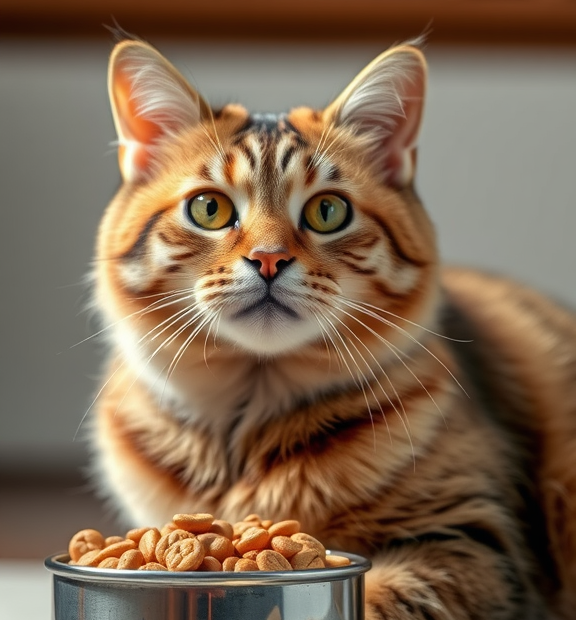
Optimal Ingredients in the Best Cat Foods for Urinary Tract Health
When it comes to ensuring your feline friend’s urinary tract health, selecting the right cat food is critical. Certain ingredients can help promote urinary health by preventing the formation of crystals and reducing the risk of infections. Understanding what these optimal ingredients are is essential for your cat’s well-being.
One of the key elements in the best cat foods for urinary tract health is the moisture content. Cats naturally thrive on a diet high in moisture, as it encourages hydration and contributes to diluted urine. Look for wet food options or consider mixing wet and dry food to help your cat stay hydrated. A hydrated cat is less likely to develop urinary issues.
Moreover, the right balance of protein plays a vital role in urinary tract health. High-quality animal proteins, such as chicken, turkey, and fish, should be prominent in your cat’s diet. These proteins not only support muscle health but also aid in managing the acidity levels of your feline’s urine, which can help prevent stone formation.
Another important component is the inclusion of low magnesium levels. Diets high in magnesium can lead to the formation of struvite crystals, which are linked to urinary problems. When shopping for cat food, choose formulations that specifically list low magnesium content on their labels, as this can help maintain a healthy urinary tract.
Additionally, ingredients rich in omega-3 and omega-6 fatty acids cannot be overlooked. These fatty acids have anti-inflammatory properties and promote overall health. They can also aid in soothing urinary tract irritation. You can find these essential fatty acids in fish oils, flaxseed, and certain types of vegetable oils. By incorporating these into your cat’s diet, you’re investing in their overall wellness.
Ensuring a proper urinary pH balance is crucial in preventing urinary issues. Look for cat foods that contain cranberries or cranberry extract, as they are known to help maintain a healthy urinary pH. This ingredient aids the urinary tract by preventing bacteria from adhering to the bladder walls, significantly reducing the risk of infections.
Here’s a quick list of optimal ingredients to look for in cat food promoting urinary tract health:
- High moisture content (wet food recommended)
- High-quality proteins (chicken, turkey, fish)
- Low magnesium levels
- Omega-3 and omega-6 fatty acids
- Cranberry or cranberry extract
Some additional ingredients can aid in promoting urinary health. Beta-carotene, found in carrots and pumpkin, helps support the immune system, while probiotics can bolster gut health and potentially reduce urinary issues. Foods with these ingredients can be beneficial selections when choosing your cat’s food.
It’s also essential to avoid fillers and artificial additives. Ingredients such as corn, wheat, and soy can contribute to allergies and health problems over time. Opt for grain-free formulations or ones that use alternative carbohydrates like sweet potatoes or peas instead. Always read the ingredients list to ensure you’re picking the best options for your cat.
Moreover, consistency is key. Regular feeding habits and maintaining a balanced diet is crucial for urinary tract health. Don’t suddenly switch your cat’s food; do so gradually over a week to avoid upsetting their stomach. By keeping a consistent diet, you can better monitor your cat’s urine output and overall health.
Always consult with your veterinarian before making any changes to your cat’s diet. They can offer personalized recommendations and help identify any specific needs or issues your feline may have. the right ingredients into your cat’s meals significantly contributes to their urinary tract health while enhancing their overall quality of life.
Finding the best cat foods for urinary tract health involves knowing what to look for in terms of ingredients. By prioritizing hydration, quality proteins, low magnesium, beneficial fatty acids, and ingredients that support a healthy urinary pH, you’re taking significant steps toward ensuring your cat remains happy and healthy.
Recognizing Symptoms of Urinary Tract Issues in Cats and Dietary Solutions
Every cat owner should be aware of the symptoms indicating urinary tract issues in their feline friends. Recognizing these signs early can help you seek treatment and potentially prevent more severe health problems. Cats are masters at hiding discomfort, so paying attention to their behavior is essential.
One of the first noticeable symptoms of urinary tract issues is changes in urination habits. You may observe the following:
- Frequent Urination: If your cat is heading to the litter box more often than usual, it could signal an issue.
- Straining to Urinate: Watch for signs that your cat is having difficulty. This can include extended times in the litter box without producing much urine.
- Blood in Urine: This is a critical symptom that should prompt an immediate visit to the vet.
- Urinating Outside the Litter Box: Cats may avoid their litter box if they associate it with discomfort.
- Excessive Licking: Cats may lick their genital area more than usual if they are experiencing urinary pain.
If you notice any of these symptoms, it’s vital to consult with a veterinarian as soon as possible. Prompt action can lead to better outcomes and a healthier life for your cat.
Now, let’s discuss some dietary solutions that can help maintain urinary tract health. Certain foods can prevent common urinary problems like crystals and infections. Here are some excellent options for your cat’s diet:
- Wet Cat Food: Canned wet food contains higher moisture content, which is crucial for urinary tract health. Increased fluid intake helps dilute urine and flush out toxins.
- Prescription Diets: Talk to your vet about getting a prescription diet formulated for urinary health. These special diets often contain controlled levels of minerals that can help dissolve crystals.
- High-Quality Protein Sources: Look for foods that prioritize high-quality proteins from animal sources. These proteins can improve your cat’s overall health and support their urinary system.
- Low Ash Content: Diets low in ash are beneficial as they can help reduce the risk of developing urinary stones.
- Omega-3 Fatty Acids: Foods with added omega-3 fatty acids can have anti-inflammatory properties, benefiting your cat’s urinary tract.
When selecting cat food, always read the ingredient labels carefully. High-quality, natural ingredients tend to be better for your cat’s urinary health. Some brands even have added beneficial supplements, such as cranberry extract, known for its ability to support urinary tract function.
In addition to choosing the right food, you can take other preventive measures. Regular vet check-ups are crucial. Your vet can help you monitor your cat’s urinary health. Maintaining hydration is equally important, so always ensure fresh water is available. You may consider a water fountain, as many cats are more inclined to drink flowing water.
If your cat shows any signs of discomfort, or if they have a history of urinary issues, it’s wise to examine their diet closely. Observe how they react to different types of food and find what works best for them. Sometimes, a simple change in diet can make a world of difference in their overall well-being.
Keep an eye on your cat’s weight. Obesity can lead to various health issues, including urinary problems. Ensure your cat stays active with regular playtime, and don’t hesitate to consult with a vet for customized dietary advice.
By being proactive and attentive, you can greatly reduce the risks associated with urinary tract issues in cats. A balanced diet, regular veterinary care, and attentiveness to changes in behavior are your best tools for ensuring a healthy urinary system for your furry companion.
Conclusion
Choosing the best cat foods for urinary tract health is a vital step in ensuring that your feline friend remains happy and healthy. Understanding the optimal ingredients can help make the right choice, such as those rich in moisture, low in magnesium, and formulated with specific nutrients that support urinary tract function. Ingredients like cranberries, antioxidants, and a balanced protein source are essential for maintaining your cat’s overall urinary health.
Recognizing symptoms of urinary tract issues early can make a significant difference in your cat’s quality of life. Issues such as frequent urination, straining to urinate, or blood in urine warrant immediate attention. Dietary solutions tailored to address these symptoms can provide relief and prevent future problems. It’s crucial to consult with your veterinarian to choose foods that not only cater to your cat’s health needs but also suit their palate.
Ultimately, your cat’s well-being is a partnership between you, the food you choose, and routine veterinary care. Investing time into researching the best cat foods for urinary tract health can lead to a happier, healthier life for your beloved pet. By being proactive about their diet and recognizing potential health concerns, you can help protect them from the discomfort that urinary tract issues can bring. Remember, a balanced diet plays a key role in prevention, so make informed choices to keep your feline companion thriving.