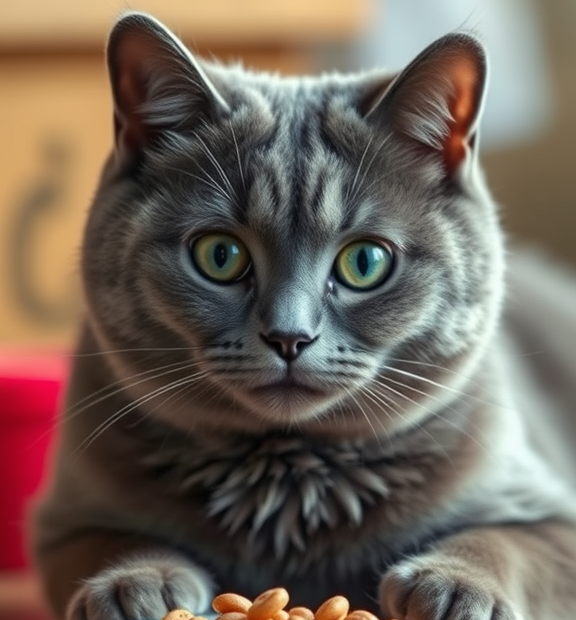
The Nutritional Needs of British Blue Cats: Choosing the Right Food
Keeping your British Blue cat healthy and happy begins with understanding their unique nutritional needs. These charming felines, known for their plush coats and sweet demeanor, require a diet that supports their specific health requirements. As a responsible cat owner, it’s essential to know how to choose the right food for your furry friend.
First and foremost, British Blues are known for their sturdy build and muscular bodies. This breed has a higher caloric requirement than some other cats due to their size and active nature. An ideal diet should be rich in high-quality proteins. Look for cat food that lists real meat as the first ingredient. Proteins are crucial for maintaining their muscle mass and providing the energy they need to play and explore.
In addition to protein, fat content is also essential. Healthy fats, such as omega-3 and omega-6 fatty acids, support a shiny coat and overall skin health. You may want to consider cat foods that include fish oil or flaxseed as sources of these beneficial fats. When selecting food, ensure that it has the right balance of fat to help maintain a healthy weight. Aim for a food with a fat content of around 20-25% for adult British Blue cats.
Another important consideration is carbohydrates. While cats are obligate carnivores and thrive on meat, they still require some carbohydrates for energy. However, be cautious with the carbohydrate source. Whole grains like brown rice and oatmeal can provide necessary energy without spikes in blood sugar. Avoid fillers like corn and wheat, as they can lead to obesity and health problems over time.
- Protein: Look for real meat as the primary ingredient.
- Fats: Include sources of omega-3 and omega-6 fatty acids.
- Carbohydrates: Opt for whole grains rather than fillers.
Hydration is equally crucial for your British Blue cat’s overall health. Make sure your cat has access to fresh water at all times. Some cats prefer drinking from running water, so consider using a pet water fountain. Additionally, incorporating wet food into their diet can provide extra moisture, which is especially important if your cat doesn’t drink a lot of water. Moisture-rich foods can help prevent urinary tract issues, which some British Blues may be prone to.
When it comes to choosing cat food, you have a variety of options—dry kibble, canned food, and raw diets. Each has its pros and cons. Dry kibble is convenient and helps keep teeth clean, but it may lack moisture. Canned food often has higher protein content and moisture but may be more expensive. Raw diets can be tailored to meet all nutritional needs but require careful preparation to ensure they are balanced. Always consult with your veterinarian when considering a raw diet.
Consider the life stage of your British Blue when selecting food. Kittens, adults, and senior cats all have different nutritional requirements. Kittens need food that supports their rapid growth and development, usually higher in calories and protein. Adult cats require a maintenance diet, while senior cats often benefit from lower calorie and fat options to help manage their weight.
Feeding your British Blue should also involve portion control to prevent obesity. Monitor their weight regularly and adjust their food intake accordingly. If you notice your cat gaining weight, consult your vet for recommendations on food and portion sizes.
Furthermore, be aware of any allergies or sensitivities. British Blues can occasionally have food allergies, which may manifest as skin issues or digestive problems. If you suspect your cat has a food allergy, consult your veterinarian for proper testing and guidance on alternative diets.
Meeting the nutritional needs of your British Blue cat requires attention to quality ingredients, balanced nutrition, and appropriate portion sizes. By understanding their dietary requirements and carefully selecting their food, you can support a long, healthy, and happy life for your feline companion. Make the right choices, and your furry friend will thrive, bringing joy to your home for years to come.
Common Misconceptions About Feeding British Blue Cats
Feeding your British Blue cat can come with its fair share of misconceptions. Understanding these can help you provide the best nutrition for your furry friend. Let’s dive into some of the common myths about feeding British Blue cats and uncover the truth behind them.
Myth 1: All Cats Eat the Same Food
One of the biggest misconceptions is that all cats can thrive on the same type of food. This is far from the truth. British Blue cats have unique dietary needs due to their specific breed characteristics. They are known for their muscular build and dense coat, which means they may require a diet higher in protein and fat compared to other breeds. It’s essential to choose cat food specially formulated for their nutritional needs.
Myth 2: Grain-Free Diets Are Always Best
Grain-free diets have gained popularity over the years, leading many cat owners to think that they are the healthiest option for their pets. However, this isn’t universally true. While some cats may have sensitivities to grains, British Blue cats generally do not require a grain-free diet. In fact, grains like rice and oats can provide fiber and carbohydrates that are beneficial for digestion. Always consult your veterinarian before making drastic changes to your cat’s diet.
Myth 3: Indoor Cats Don’t Need High-Quality Food
Another myth is that indoor cats, like many British Blues, don’t need high-quality food because they don’t expend as much energy as outdoor cats. This is misleading. Even indoor cats require a balanced diet rich in essential nutrients to maintain their health and prevent obesity. British Blue cats can be prone to weight gain, so providing them with premium food is crucial for keeping them healthy and active.
Myth 4: Cats Can Self-Regulate Their Diet
Many believe that cats can eat as much as they want and self-regulate their intake. However, this isn’t always the case, especially with British Blue cats. They are known for loving their food and can overeat, leading to obesity. It’s important to monitor portion sizes and feed them according to the recommendations on the cat food packaging or those given by your veterinarian.
Myth 5: All Wet Food Is Equal
When it comes to wet food, some cat owners think that all brands are created equal. However, this is far from the truth. British Blue cats benefit from wet food that contains high-quality protein sources and minimal fillers. Always check the ingredients list. Foods with real meat at the top of the list are more nutritious and help support your cat’s overall health.
Myth 6: Cats Only Need Meat
Some people believe that cats, being obligate carnivores, only need meat in their diet. While it’s true that cats do require animal protein, they also need other nutrients that are found in vegetables and grains. A well-balanced diet for a British Blue cat should include a mix of proteins, fats, vitamins, and minerals found in both animal and plant sources. This helps ensure they get everything they need for a healthy life.
Myth 7: Cats Drink Enough Water on Their Own
Many cat owners assume that their pets will drink enough water if they feel thirsty. Unfortunately, this isn’t always the case, particularly for British Blues, who may not always drink as much as they need. Providing fresh water daily and considering wet food to help with hydration is important. Cats are creatures of habit, so placing water bowls in different locations can encourage them to drink more.
Myth 8: You Should Change Foods Frequently
Some believe that changing a cat’s food frequently helps keep them from getting bored. However, British Blue cats can have sensitive stomachs. Constantly switching their food can lead to digestive issues or food aversions. It’s best to gradually introduce new foods and stick to a balanced diet that supports their health.
Debunking these common misconceptions about feeding your British Blue cat can lead to better health and longevity. By understanding their unique dietary needs and making informed choices, you can help ensure your British Blue thrives and enjoys a happy, healthy life.
Conclusion
Feeding your British Blue cat is more than just a matter of filling their bowl; it’s about understanding their specific nutritional needs and debunking common misconceptions that may lead to improper feeding. These charming cats thrive on a balanced diet rich in high-quality protein, essential fats, and vital nutrients. Since British Blue cats have unique characteristics, such as their muscular composition and moderate activity level, choosing a specialized cat food that aligns with these traits is crucial for their overall health and well-being.
One common misconception is that all cats prefer the same type of food. However, British Blue cats may have specific taste preferences and dietary requirements that are influenced by their breed. Selecting a grain-free, high-protein food can make a significant difference in their energy levels and overall vitality. It’s also important to avoid overfeeding, as this breed is prone to obesity. Understanding how much to feed and what ingredients to look for ensures your furry friend stays in optimal shape.
Additionally, staying informed about the latest pet nutrition trends can help you make better choices. Regular consultations with your veterinarian can provide tailored advice suited to your cat’s age, health status, and lifestyle. With the right food and mindful feeding practices, your British Blue cat can enjoy a long, healthy life full of playful energy and affection. Embrace the responsibility of providing them with an optimal diet, and you’ll witness not just a happier cat, but a deeper bond formed through shared understanding of their needs.