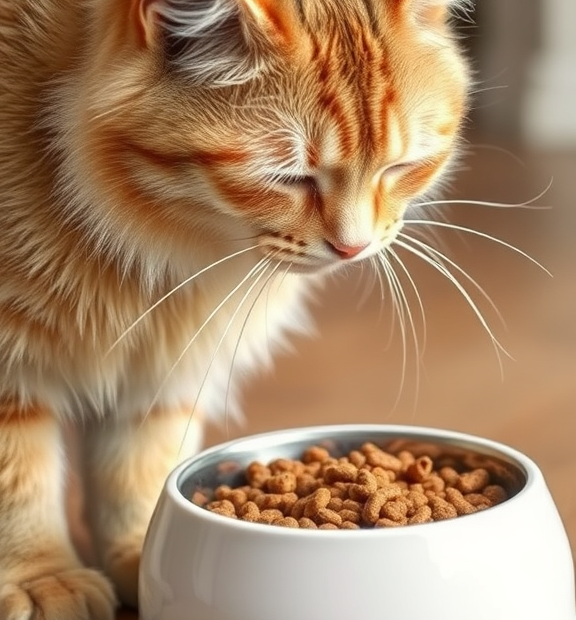
The Benefits of Using a Cat Slow Feeder for Wet Food
Are you looking for a way to improve your cat’s eating habits? A cat slow feeder for wet food might be the perfect solution. These specially designed dishes provide a range of benefits that can enhance your pet’s dining experience, making mealtime more enjoyable and healthier.
One of the main advantages is that slow feeders help prevent fast eating. Cats are natural hunters, and in the wild, they would consume their food slowly, savoring every bite. When you feed your cat wet food in a slow feeder, it mimics this hunting experience. The feeding design forces them to work for their food, which can be beneficial for their mental stimulation and physical health.
Moreover, rapid eating can lead to digestive problems. Cats that gobble their food may experience issues like vomiting or indigestion. With a slow feeder, you can minimize these risks, allowing your cat to enjoy its meal at a more leisurely pace. This can lead to better digestion and a happier pet.
Another important benefit is maintaining a healthy weight. Obesity in cats can lead to severe health issues such as diabetes and heart disease. When cats eat too quickly, they often do not realize when they are full. A slow feeder encourages them to take their time, which can help them recognize their body’s signals for fullness. This can assist in weight management, making it easier for you to keep your feline friend in shape.
Slow feeders can also keep your cat mentally engaged. By engaging with their food in a more interactive way, cats can stave off boredom. This is particularly useful for indoor cats that may not have as many opportunities for play and exercise. A slow feeder can provide this much-needed stimulation, leading to a happier, healthier cat.
Many slow feeders are specifically designed for wet food, meaning you can maintain the moisture and nutritional value while allowing your cat to eat at a slower pace. Here are some popular types of slow feeders you might consider:
- Maze Feeders: These feeders include obstacles that require your cat to navigate around to reach their food.
- Portion-Control Feeders: These dishes limit the amount of food available at one time, encouraging slower eating.
- Interactive Puzzle Feeders: Cats need to manipulate pieces of the feeder to access their food, making mealtime a fun challenge.
Additionally, feeding your cat wet food in a slow feeder can help promote better hydration. Wet food is already moisture-rich, so combining it with a slow feeder creates an ideal scenario for your cat’s hydration needs. Cats tend to drink less water than they need, so providing wet food in a slow feeder can contribute significantly to their overall hydration and health.
When choosing a slow feeder for wet food, it’s essential to find one that fits your cat’s individual needs. Consider size, design, and materials. Make sure the feeder is easy to clean, as bacteria can build up in any dish that holds food, especially wet food. Look for a feeder that is dishwasher safe or easy to wash by hand.
Remember to observe your cat’s behavior with their new feeder. It may take a little time for them to adjust to the change in mealtime dynamics. Be patient and encourage them by showing them how to use it if needed. Once they get the hang of it, you’ll likely notice improvements in their eating habits and overall well-being.
A cat slow feeder for wet food into your pet’s feeding routine can therefore offer numerous advantages. From helping to prevent obesity to enriching their experience during mealtime, this simple adjustment can make a significant difference. By encouraging better eating habits, you are not only providing nourishment but also promoting a happier and healthier lifestyle for your feline companion.
How to Choose the Right Slow Feeder for Your Cat’s Needs
Choosing the right slow feeder for your cat can significantly impact their eating habits and overall well-being. Slow feeders are specially designed bowls that prevent pets from gobbling their food too quickly. This not only helps with digestion but also promotes healthier eating behaviors. Here are some essential factors to consider when selecting the best slow feeder for your feline friend.
Consider Your Cat’s Size and Breed
Every cat is unique, and their size plays a critical role in determining which slow feeder is best. Here are some points to keep in mind:
- Small Breeds: If you have a smaller cat or kitten, look for a feeder that has shallow sections to prevent food from being too far out of reach.
- Large Breeds: For larger cats, select a feeder with a wider base to accommodate their size and allow them to comfortably eat without feeling cramped.
- Senior Cats: Older cats may prefer similar guidance, so opt for slow feeders with lower sides for easy access.
Evaluate Feeding Style
Cats can have different feeding preferences based on their habits. Some cats might be more prone to ‘dine and dash’, while others may graze throughout the day. Understanding your cat’s feeding style can help you select the right slow feeder:
- Fast Eaters: Look for feeders with more intricate designs to slow down eating significantly.
- Grazers: Choose feeders that allow multiple sections, so food can be spread out, catering to their grazing habits without overwhelming them.
Material Matters
The material of the slow feeder is another essential factor. You’ll typically find slow feeders made from plastic, ceramic, or stainless steel:
- Plastic: These are lightweight and often come in fun designs, but ensure that they are BPA-free to avoid health risks.
- Ceramic: They are sturdy and can have various attractive designs, but can break easily if dropped. Always check for safe, non-toxic glazes.
- Stainless Steel: Highly durable and resistant to bacteria, stainless steel bowls are easy to clean and provide a long-lasting solution.
Size of Food Portions
Different slow feeders accommodate various food portion sizes. It’s vital to match the size of the feeder with the type and amount of wet food you’re planning to serve. Here are some tips:
- Small Portions: If you typically give smaller meals or your cat enjoys treats spread throughout the day, select a feeder with smaller compartments.
- Large Portions: If your cat is on a routine schedule of larger meals, a slow feeder that holds more food may be beneficial.
Ease of Cleaning
Feeding areas can quickly become messy, especially with wet food. Ensure the slow feeder you choose is easy to clean. Here’s what to look for:
- Dishwasher Safe: Opt for feeders that can be safely washed in the dishwasher for hassle-free cleaning.
- Removable Parts: Some designs feature removable sections for easier access when washing.
Design Considerations
The design of the slow feeder can influence your cat’s interest in eating. Look for feeders that are visually appealing and engage your cat. Here are some design aspects that you might want to consider:
- Interactive Designs: Some slow feeders feature puzzles or mazes, making mealtime a fun challenge for your cat.
- Anti-Slip Base: Look for slow feeders with a non-slip base to prevent sliding while your cat eats.
Once you’ve considered all these factors, you’ll be in a great position to select a slow feeder that fits your cat’s specific needs. Remember that the best choice not only meets functional requirements but also enhances mealtime enjoyment for your feline friend. Your careful selection can boost their eating habits, leading to a happier, healthier life.
Conclusion
Using a cat slow feeder for wet food can significantly enhance your feline’s dining experience. It promotes slower eating, which can lead to improved digestion and decreased risk of obesity, making it an excellent choice for health-conscious pet owners. By taking the time to select the right slow feeder tailored to your cat’s unique needs—whether that’s size, design, or material—you can create a more enjoyable and beneficial mealtime routine.
Consider your cat’s personality; a playful kitty may thrive with a puzzle feeder that challenges them, while a more laid-back feline might prefer a straightforward design. Always keep your cat’s eating habits in mind, as the right slow feeder can encourage better eating practices and foster a healthier lifestyle.
Moreover, introducing a slow feeder can stimulate your cat both mentally and physically, enriching their overall well-being. As you explore different options, remember that not all slow feeders are created equal. Look for quality materials that are safe and easy to clean, ensuring that your cat’s feeding environment remains hygienic.
Transitioning to a slow feeder is not just about changing how your cat eats; it’s about caring for their health and enhancing their quality of life. As you embark on this journey, enjoy the bonding experience it fosters between you and your furry companion. A simple change in mealtime can lead to a happier and healthier pet, making it a worthy investment for every cat owner.