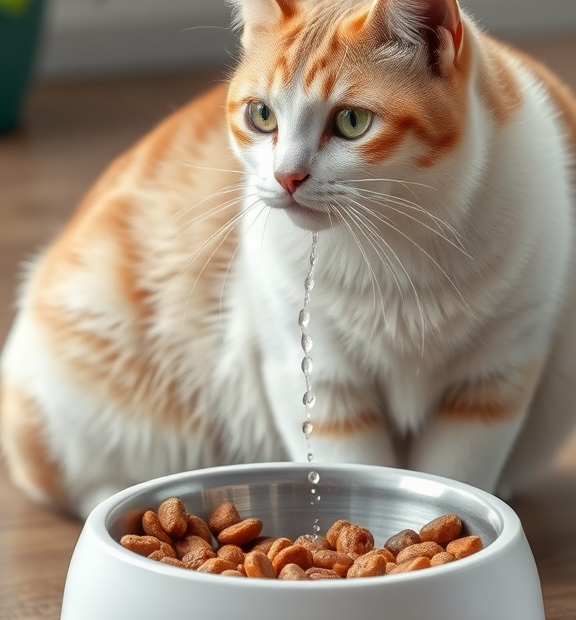
The Importance of Choosing the Right Cat Water and Food Bowls for Your Feline Friend
Choosing the right cat water and food bowls can make a significant difference in your cat’s health and happiness. While it may seem like a simple decision, the type, shape, and material of the bowl can affect your feline friend’s eating and drinking habits. Let’s explore why this choice matters and what factors to consider when selecting the perfect bowls for your kitty.
Material Matters
The material of your cat’s bowls can impact not only their health but also the ease of cleaning. Here are common materials and their benefits:
- Stainless Steel: Durable, non-porous, and resistant to bacteria, stainless steel bowls are often the top choice for cat owners. They are also dishwasher safe, making them easy to maintain.
- Ceramic: Ceramic bowls come in various colors and designs, making them aesthetically pleasing. Ensure they have a food-safe glaze to prevent leaching chemicals. However, they can chip easily, which may harbor bacteria.
- Plastic: While lightweight and often less expensive, plastic can scratch easily, making it harder to clean. Some cats may also develop allergies to plastic, leading to skin irritations.
Size and Shape
Size and shape are crucial in ensuring your cat can eat and drink comfortably. Consider the following:
- Depth: Cats typically prefer shallow bowls for food to prevent their whiskers from touching the sides. Whisker fatigue is a real issue, and deep bowls can cause discomfort.
- Diameter: A wider bowl allows your cat to spread their paws and eat or drink more comfortably. This is particularly important for larger cats.
- Elevated Bowls: Some cats benefit from elevated feeding bowls that help reduce strain on their necks and joints. If your cat is older or has mobility issues, this could be a great option.
Placement is Key
Where you place your cat’s water and food bowls can encourage better eating and drinking habits. Here are some tips for optimal placement:
- Avoid Clutter: Place bowls in a quiet area away from noise and foot traffic. Cats enjoy a safe space where they can eat without feeling threatened.
- Separate Locations: Cats may prefer to have their food and water bowls at least a few feet apart. This separation can mimic their natural instinct to seek water away from their food source.
- Regularly Change Locations: Sometimes, moving the bowls slightly can rejuvenate your cat’s interest in their meals. They might appreciate a fresh perspective!
Cleaning and Maintenance
Keeping your cat’s water and food bowls clean is vital for their health. Here’s how to ensure they stay in good condition:
- Daily Cleaning: Wash bowls daily to prevent bacteria build-up. Use warm, soapy water or place them in the dishwasher if they are dishwasher-safe.
- Check for Wear: Inspect for scratches or chips that can harbor bacteria. Replace any damaged bowls promptly.
- Fresh Water: Change the water daily to ensure your cat stays hydrated. If your cat doesn’t drink much, consider using a pet water fountain to encourage them.
Identifying Needs
Every cat is unique, and their bowl needs may vary based on factors like age, health, and personal preferences. Pay attention to your cat’s behavior. If they seem hesitant to eat or drink, it might be time to reconsider their bowls. Testing different options can help you find the most suitable type for your furry friend.
Ultimately, investing time and care into choosing the right cat water and food bowls is essential for your cat’s well-being. A thoughtful selection can lead to better eating habits, improved hydration, and a happier, healthier pet. Your furry companion deserves the best, and the right bowls can greatly enhance their daily routine.
Top Materials for Cat Water and Food Bowls: Which One is Best for Your Cat?
Choosing the right materials for cat water and food bowls can significantly impact your cat’s health, comfort, and hygiene. With a variety of options available, it’s essential to understand the advantages and disadvantages of each material. This will help you make an informed decision for your furry friend.
Here are some common materials used for cat bowls:
- Stainless Steel
Stainless steel bowls are durable and long-lasting. They are resistant to rust and corrosion, making them easy to clean. Unlike plastic, stainless steel does not harbor bacteria, which is great for your cat’s health. Moreover, these bowls are often dishwasher safe, simplifying your cleaning routine. However, some cats may not like the feel or sound of metal bowls, which could deter them from using it.
- Ceramic
Ceramic bowls come in many designs and colors, allowing you to pick one that matches your home decor. They are heavy, making them less likely to tip over during mealtime. Ceramic is also easy to clean and generally safe for cats. Be cautious, though; choose bowls labeled as food-safe to avoid harmful chemicals. If the ceramic gets chipped or cracked, it’s time to replace it, as bacteria can grow in those areas.
- Plastic
Plastic bowls are lightweight and inexpensive, which makes them popular among pet owners. However, they can harbor bacteria and odors if not cleaned regularly. Many cats develop allergies or sensitivities to plastic, leading to irritation or other health issues. Instead of using regular plastic, seek food-grade materials specifically designed for pet use to minimize these risks.
- Silicone
Silicone bowls are flexible and often collapsible, making them excellent for travel. They are easy to clean and resistant to heat. However, they can retain odors over time and may experience wear and tear more quickly than other materials. If you choose a silicone bowl, ensure it’s made from food-grade silicone to keep your kitty safe.
- Bamboo
Bamboo bowls have gained popularity as an eco-friendly option. They are biodegradable and often free from harmful chemicals. However, they might not be as durable as metal or ceramic. Furthermore, they may absorb water and odors, which can decrease their hygiene over time. Regular cleaning is essential to maintain their integrity.
When choosing a bowl for your cat, consider their specific needs and preferences. Here are some factors to think about:
- Size: Make sure the bowl is appropriate for your cat’s size. A larger cat may need a wider bowl to comfortably eat and drink.
- Depth: Some cats prefer shallow bowls, while others like deeper dishes. Experiment to see what your cat enjoys most.
- Design: A bowl with a non-slip base can help minimize mess during mealtime.
- Regular Cleaning: Choose a material that is easy to clean to ensure your cat’s bowls are always hygienic.
In addition to considering the material, pay attention to the feeding and drinking habits of your cat. Some cats prefer running water, so a water fountain may work better than a bowl. Experimenting with various bowls can help you find the best fit for your pet.
Ultimately, the best cat water and food bowls will be those that meet your cat’s needs while being easy for you to maintain. Prioritize durability, safety, and hygiene as you explore your options. By taking your time to choose the right materials, you can ensure that your cat enjoys their meals and stays healthy.
Conclusion
Choosing the right cat water and food bowls is essential for the well-being of your feline companion. Given that cats can be finicky eaters and drinkers, finding bowls that cater to their unique preferences can make a significant difference in their health and happiness. The materials used in the design of these bowls—whether ceramic, stainless steel, or plastic—impact everything from durability to ease of cleaning. Each material has its own pros and cons, so understanding your cat’s habits and needs can help you make an informed choice.
For example, ceramic bowls are often praised for their aesthetic appeal and ease of cleaning, while stainless steel options are heralded for their durability and resistance to rust and bacteria. If plastic bowls are your choice, ensure they are high-quality, as low-grade plastics can sometimes harbor harmful chemicals or suffer from scratches that trap bacteria. Ultimately, the ideal bowls for your cat should meet both functional and health requirements.
Taking the time to select appropriate cat water and food bowls not only enhances your pet’s dining experience but also contributes to their overall well-being. Implementing shallow designs or adding non-slip features can make mealtime more pleasant and encourage them to stay hydrated. By investing in the right bowls, you are promoting a happy, healthy lifestyle for your furry friend. Prioritize your cat’s needs, and you’ll see benefits in their eating and drinking habits that can lead to a longer, healthier life. Enjoy watching your kitty thrive with the right feeding essentials!