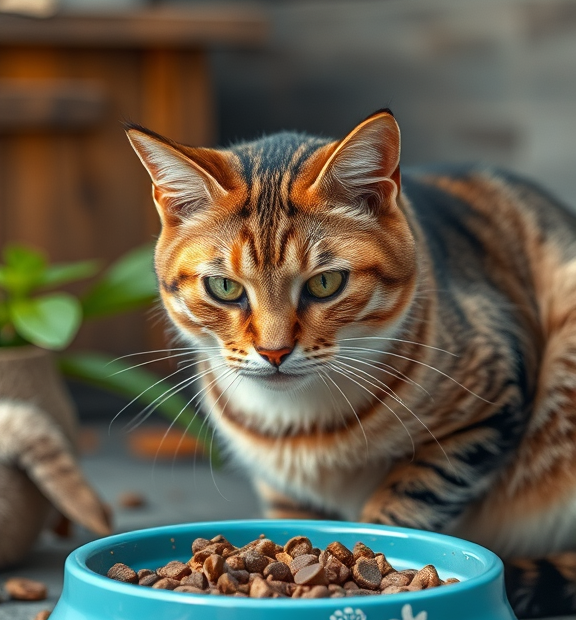
The Best Outdoor Cat Food: Essential Nutritional Requirements for Active Felines
When it comes to keeping your outdoor cat healthy and energetic, choosing the right food is essential. Outdoor cats often lead more active lives than their indoor counterparts, so their nutritional needs are significantly different. To ensure your feline friend thrives in their adventurous lifestyle, it’s important to find the best outdoor cat food that meets their specific requirements.
Active cats need a diet rich in high-quality protein to support their muscle health and overall vitality. Look for cat foods that list real meat, like chicken, turkey, or fish, as the first ingredient. This ensures your cat receives the necessary amino acids that are vital for energy and muscle maintenance. Additionally, opting for foods that also include fish oil can contribute to a shiny coat and healthy skin, which are important for outdoor cats that are exposed to various elements.
Another important component of outdoor cat food is fat. Healthy fats, such as omega-3 and omega-6 fatty acids, not only provide energy but also support cognitive function and joint health. Cats are obligate carnivores, meaning they rely on nutrients found in animal-based foods. Therefore, it’s beneficial to choose a cat food with a balanced fat content—typically around 15-25% in dry food and 4-10% in wet food.
To help guide your choice, consider these essential factors:
- High-quality protein: Look for food with real meat as the first ingredient.
- Healthy fats: Choose options rich in omega-3 and omega-6 fatty acids.
- Life stage appropriate: Ensure you’re feeding a formula suitable for your cat’s age, especially if they are active kittens or senior outdoor cats.
- Natural ingredients: Opt for foods free from artificial preservatives, colors, and flavors.
- Added vitamins and minerals: Ensure there are essential nutrients, like taurine, vitamins A, E, and D, to support eye health and immune function.
When selecting outdoor cat food, hydration is equally important. Active cats may not drink enough water, especially if they’re eating dry kibble. wet food into their diet is a great way to help maintain hydration levels while providing extra nutrients. Look for high-quality wet food options that contain a significant percentage of meat and moisture content.
Portion control is another key element to consider. Depending on your cat’s size and activity level, they may require more calories than indoor cats. Always check the feeding guidelines on the cat food packaging. Remember, overfeeding can lead to obesity, which can complicate your cat’s ability to enjoy their outdoor activities.
It’s also wise to monitor your cat’s health regularly. This includes checking their coat for signs of dryness or irritation, as well as watching for changes in weight or energy levels. If your outdoor cat seems lethargic or is not eating well, it may signal that their diet is not meeting their nutritional needs.
Many pet owners find success in rotating different brands and formulas to keep their cats enthusiastic about their meals. Cats can be picky eaters, and introducing variety may help in ensuring they receive a balanced diet. However, any transition in food should be gradual to avoid digestive upset.
It’s essential to seek guidance from a veterinarian. They can provide personalized recommendations based on your cat’s unique health needs, lifestyle, and preferences. Your vet can help tailor a diet plan that not only includes the best outdoor cat food but also emphasizes overall wellness.
The best outdoor cat food must be rich in high-quality proteins and balanced fats, while also being naturally nutritious. Keeping an eye on their hydration, weight, and health is key to supporting an active outdoor lifestyle. By making informed choices, you can ensure your feline friend enjoys life to the fullest outdoors!
Exploring the Safety and Health Benefits of Feeding Outdoor Cats Quality Food
Feeding outdoor cats quality food is crucial for their safety and health. Unlike indoor cats, outdoor cats face unique challenges that can be mitigated by providing nutritious, high-quality meals. The right diet not only supports their overall well-being but also helps them thrive in their outdoor environment.
Outdoor cats are exposed to various risks, including potential injuries, exposure to diseases, and predation. A well-balanced diet can boost their immune system, making them less vulnerable to these issues. Cats that eat nutritiously have better energy levels and are more agile, helping them avoid hazards in their surroundings.
When considering the best outdoor cat food, it’s essential to focus on ingredients that provide the necessary nutrients. The following elements play a significant role in fostering a cat’s health:
- High Protein Content: Cats are obligate carnivores, meaning they require protein from animal sources for optimal health. Look for foods with real meat as the first ingredient, such as chicken, turkey, or fish.
- Essential Fatty Acids: Omega-3 and Omega-6 fatty acids support skin and coat health, which is crucial for outdoor cats who might face harsher weather conditions.
- Vitamins and Minerals: Vitamins like A, D, and E, along with crucial minerals like calcium and phosphorus, are essential for healthy bone development, vision, and overall vitality. A diet that includes fruits and vegetables can provide these nutrients.
- No Fillers: Quality cat food should avoid fillers such as corn, wheat, or soy. These ingredients add calories without nutritional value, which can lead to obesity and other health issues.
Ensuring your outdoor cat has access to fresh water is equally important. Cats that eat dry food require more water intake to stay hydrated. Always check that their water source is clean and accessible throughout the day.
Outdoor cats often deal with parasites, such as fleas and ticks. Quality food can help strengthen their immune system, making it easier for them to fight off these invaders. Additionally, regular vet check-ups are essential for outdoor cats to monitor for any health concerns, including parasite control.
Moreover, feeding your outdoor cat high-quality food can play a role in reducing their roaming and reducing risks that come from being outside. When cats feel satiated and energetic, they are less likely to wander too far in search of food, which can lower their chances of encountering traffic or other dangers.
It’s also important to keep in mind that not all outdoor cats are the same. Their dietary needs may vary based on age, size, and activity level. Kittens will require more calories than adults due to their growing bodies and high energy levels. Similarly, senior cats may benefit from softer food that’s easier to chew and digest. Pay attention to your cat’s individual needs when selecting their food.
One common misconception is that outdoor cats can eat anything, including scavenged food. This is misleading. While outdoor cats may exhibit natural hunting behavior, their health thrives on a stable, quality diet. Wild prey like rodents does offer some nutritional value, but it can’t replace the balanced nutrients provided by formulated cat food. Additionally, the risk of consuming spoiled food or toxic substances is high when scavenging, which further supports the need for a safe, nutritious diet.
In sum, focusing on high-quality outdoor cat food makes a significant difference in your cat’s life. By providing them with nutrient-rich meals, you enhance their health, extend their lifespan, and make their outdoor experience safer. Your furry companions will thank you for it, and you’ll have peace of mind knowing that you’re doing your best for their well-being.
Conclusion
Choosing the best outdoor cat food goes beyond mere preference. It is a vital aspect of ensuring that your adventurous feline thrives. An outdoor cat needs a diet rich in protein, healthy fats, and essential vitamins. These nutrients fuel their active lifestyles, supporting everything from energy levels to maintaining a shiny coat and strong muscles. When you invest in quality cat food, you are also investing in your cat’s long-term health.
Feeding outdoor cats a carefully selected diet provides significant safety and health benefits. Quality cat food reduces the risk of health issues that may arise from inferior nutrition. It helps to strengthen their immune systems, making them more resilient to the elements and potential threats they encounter outdoors. High-quality ingredients can prevent problems like obesity, dental disease, and digestive issues, ultimately leading to a happier, longer life for your feline friend.
Understanding your cat’s dietary needs is crucial in making the right choice. Always look for food manufactured with real meat as the primary ingredient and balanced nutrients that cater specifically to active outdoor cats. Take the time to read labels and choose brands that prioritize quality and safety.
By prioritizing the right food for your outdoor cat, you not only enhance their daily experiences but also promote a robust and vibrant lifestyle. Your cat deserves the best, and so does their health. With this knowledge in hand, you can feel confident in selecting the best outdoor cat food that will keep your furry companion happy, healthy, and ready to explore the great outdoors.