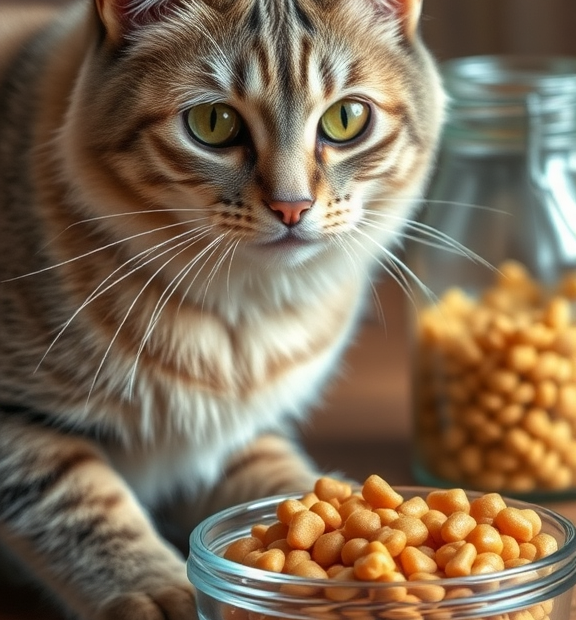
Benefits of Homemade Cat Food Supplements for Your Feline Friend
Creating homemade cat food supplements can be a rewarding experience for both you and your feline friend. These supplements offer numerous benefits that enhance your cat’s health, mood, and overall well-being. By choosing to supplement their diet with homemade options, you can ensure that your pet receives high-quality nutrients tailored to their specific needs.
One of the primary benefits of homemade cat food supplements is the control you gain over what your cat consumes. Many commercial cat foods contain fillers, artificial preservatives, and low-quality ingredients. By preparing your own supplements, you can select wholesome ingredients that are free from harmful additives. This means you can choose fresh meats, vegetables, and grains, ensuring that your cat receives the best nutrition possible.
In addition to being more nutritious, homemade supplements often taste better, which can entice even the pickiest eaters. Your cat is more likely to enjoy their meals and seek out the supplements you create. When cats enjoy their food, it can lead to healthier eating habits, better digestion, and increased energy levels.
Another significant advantage is the personalization aspect. Each cat is unique, and their dietary requirements may vary. Factors such as age, weight, activity level, and health status can influence what your cat needs. A homemade cat food supplement allows you to tailor the ingredients to meet your cat’s specific needs. For example, if your cat is overweight, you can create low-calorie supplement options. If your cat is recovering from illness, you can include easily digestible ingredients to help them regain strength.
Here are some common homemade cat food supplement ingredients that you can include:
- Protein Sources: Chicken, turkey, beef, or fish are excellent options. These provide essential amino acids vital for overall health.
- Healthy Fats: Adding oils like fish oil or coconut oil can provide omega-3 fatty acids that support skin and coat health.
- Vegetables: Ingredients like carrots, peas, and spinach offer vitamins and fiber. Ensure they are safe for cats and cooked adequately.
- Grains: Brown rice or oats can be beneficial if digested well by your cat. Be cautious as not all cats digest grains effectively.
- Supplements: Adding taurine—an essential amino acid for cats—can enhance their diet further. You can also consider vitamins specific to feline health.
Homemade supplements can also foster a deeper bond between you and your pet. Engaging in meal prep not only helps you become more in tune with what your cat eats but also creates a shared experience. Cats can sense the effort you put into their meals, leading to better trust and affection.
Moreover, by making your own cat food supplements, you can save money in the long run. While the initial investment in ingredients may seem high, creating homemade supplements can cut the costs of buying premium commercial diets. Plus, you can use leftovers from your meals, which helps reduce waste while ensuring your kitty gets the nutrition they need.
However, it’s important to research and educate yourself before transitioning your cat to a homemade diet. Consult with your veterinarian to ensure you are meeting all necessary nutritional requirements. They can guide you in selecting appropriate ingredients and balancing your cat’s diet correctly. This will help prevent nutritional deficiencies that could lead to health issues down the line.
Ultimately, the journey towards homemade cat food supplements is a commitment that can pay off in improved health and happiness for your feline companion. By investing time in this endeavor, you are providing your cat with a nutrient-rich, flavorful diet tailored specifically to their needs. Your efforts can significantly enhance their quality of life, leading to a longer, healthier, and happier existence.
Essential Ingredients to Include in Homemade Cat Food Supplements
When it comes to your feline friend’s diet, ensuring they receive the right nutrients is pivotal. Homemade cat food supplements can be a fantastic way to boost your cat’s nutrition and overall health. It’s important to select the right ingredients that align with their dietary needs. Here are some essential ingredients that you should consider including in your homemade cat food supplements.
Protein Sources
Your cat is a carnivore and requires a diet rich in protein. High-quality protein sources include:
- Chicken: A lean meat that is easily digestible.
- Turkey: Another great source of protein that is low in fat.
- Fish: Options like salmon and sardines provide not only protein but also omega-3 fatty acids.
- Beef: This is also a good protein option, but it should be lean to avoid excess fat.
Healthy Fats
Fats are essential for energy and promote healthy skin and coat. Consider adding these healthy fat sources:
- Fish Oil: Rich in omega-3 fatty acids, which can lower inflammation and support joint health.
- Flaxseed Oil: A vegetarian source of omega-3 that can enhance coat health.
- Chicken Fat: This supports a high-energy diet and is often well accepted by cats.
Essential Vitamins and Minerals
Your homemade cat food supplement should include a variety of vitamins and minerals to ensure balanced nutrition:
- Taurine: An essential amino acid critical for heart health. You can find it in meat sources or as a supplement.
- Vitamin E: Acts as an antioxidant and supports immune function.
- Calcium: Necessary for strong bones and teeth; consider adding ground eggshells or a calcium supplement.
- Potassium: Important for muscle and nerve function, found in foods like spinach.
Fiber Sources
Including fiber is important for healthy digestion. Add these fiber-rich ingredients:
- Pumpkin: A great source of fiber that can also help with constipation.
- Carrots: These can be cooked and mashed into food for a fiber boost.
- Peas: Another excellent fiber source that can aid in digestion.
What to Avoid
While creating your homemade cat food supplements, it is crucial to know what to avoid:
- Onions and Garlic: These can be toxic to cats and lead to health issues.
- Chocolate: Always a no-go, as it can be fatal to cats.
- Raw Eggs: They can contain bacteria that may harm your cat.
Making It Balanced
To ensure your homemade cat food supplements are well-balanced, consider consulting with a veterinarian or a pet nutrition expert. They can help you adjust the ingredients to meet your cat’s specific health needs. It’s important to note that transitioning your cat to homemade food should be done gradually to avoid gastrointestinal upset.
After determining the right ingredients, prepare small batches, as homemade food lacks preservatives and should be consumed fresh. Store leftover food in the fridge and remember that it is vital to provide fresh water at all times.
Making homemade cat food supplements can be rewarding for both you and your cat. You’ll know exactly what your cat is eating, ensuring they receive a balanced, nutritious diet. With careful ingredient selection, your cat will thank you with purrs and playful antics, demonstrating their gratitude for the love and care you put into their meals.
Conclusion
Creating homemade cat food supplements can significantly enhance your cat’s health and well-being. By incorporating high-quality, nutritious ingredients, you ensure that your feline friend receives a balanced diet tailored to their specific needs. The benefits of these supplements, including improved digestion, increased energy, and healthier skin and coat, can lead to a happier and more active cat.
When making these supplements, it is essential to include key ingredients such as lean meats, omega-3 fatty acids, vitamins, and minerals. These components work together to provide a complete nutrition profile that supports your cat’s immune system, aids in muscle growth, and even boosts cognitive function. By choosing fresh, whole foods, you can avoid the fillers and artificial additives often found in commercial cat foods.
Remember to introduce any new supplements gradually to your cat’s diet to monitor their reaction and ensure they adapt well. It’s also wise to consult with your veterinarian, especially if your cat has specific dietary restrictions or health concerns.
Offering homemade cat food supplements not only empowers you as a pet owner but also fosters a deeper bond with your four-legged companion. By taking the time to prepare wholesome meals, you show your commitment to their health, happiness, and longevity. So, gather your ingredients, experiment with recipes, and enjoy the rewarding experience of nourishing your beloved pet with love and care. Your cat will thank you for it!