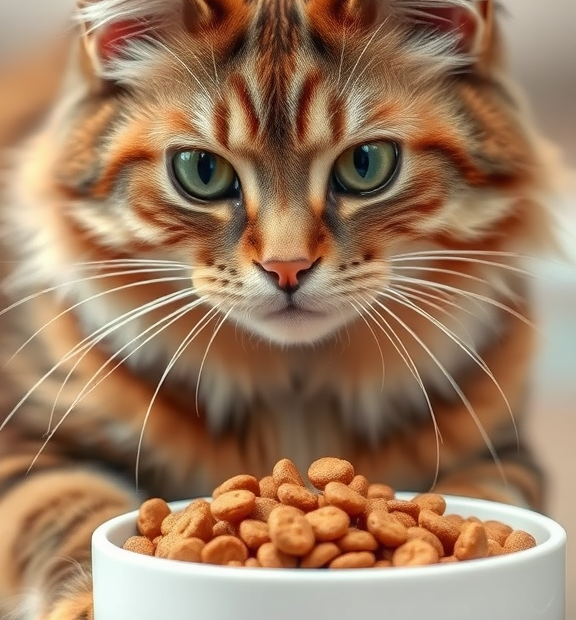
Best Hairball Control Cat Food: Tips for Managing Fast Eaters
If you have a cat that tends to gulp down their meals quickly, you’re not alone. Many cats dash through their food, which can lead to hairballs and digestive issues. Finding the right cat food is essential not just for the health of your feline friend, but also to help alleviate the discomfort that comes with hairballs. Let’s explore the best hairball control cat food options and some effective strategies to manage fast eaters.
Why Fast Eating Matters
Fast eaters often ingest air along with their food, which can lead to bloating and a higher likelihood of producing hairballs. Hairballs form when cats groom themselves and swallow loose hair. If your cat is not digesting their food properly, the build-up of hairballs can be more pronounced. Therefore, selecting the right cat food that specifically addresses hairball control is crucial.
Top Ingredients to Look For
When searching for the best hairball control cat food, consider the following components:
- High Fiber Content: Foods with added fiber help to move hair through the digestive system and reduce hairball formation.
- Quality Protein: Ensuring your cat’s diet is rich in protein will support their overall health while also aiding digestion.
- Moderate Fat Levels: While some fat is necessary for energy, too much can lead to obesity, which may worsen hairball issues.
- Natural Ingredients: Products with fewer fillers or artificial additives generally promote better digestion.
Top Recommended Brands
Here are some highly recommended cat food brands that focus on hairball control while being suitable for fast eaters:
- Hill’s Science Diet Hairball Control: This food offers a precise blend of fiber and natural ingredients to help manage hairballs effectively.
- Royal Canin Hairball Care: Known for its palatable formula, Royal Canin helps reduce hairballs by promoting healthy digestion with its unique kibble shape.
- Blue Buffalo Indoor Hairball Control: This dry food features a higher fiber formula and is enriched with natural ingredients, providing a good balance of nutrition.
- Purina Pro Plan Hairball Management: Formulated with high-quality ingredients, this option supports digestive health and helps manage hairball formation.
Tips for Managing Fast Eaters
Not only does the right food play a vital role, but so do your feeding practices. Here are some strategies to help slow down your cat’s eating:
- Use a Slow Feeder Bowl: These bowls are designed with obstacles that make it harder for your cat to gulp down their food quickly.
- Spread Out the Food: Try spreading your cat’s food on a flat surface, which encourages them to take their time while eating.
- Incorporate Puzzle Feeders: Puzzle feeders can stimulate your cat mentally while promoting slower eating. It turns mealtime into a game!
- Feed Smaller Portions More Frequently: Instead of one large meal, offer smaller amounts of food several times a day to keep your cat from overeating.
Monitoring Your Cat’s Health
While feeding your cat the best hairball control diet, observe their behavior and health. Ensure they are grooming themselves regularly, and monitor the frequency of hairballs and any changes in their eating habits. If you notice any significant issues, consider consulting your veterinarian for personalized advice.
By choosing the right food and adopting a few strategic feeding practices, you can help your fast-eating cat enjoy meals without the worries of hairballs. With consistent attention to their diet and eating habits, you can contribute to your cat’s overall digestive health and happiness, making grooming time much more pleasant for both of you.
The Impact of Diet on Hairball Formation in Cats
Hairballs are a common issue among cats, leading many owners to search for effective solutions. One critical factor that plays a significant role in hairball formation is your cat’s diet. Understanding how diet affects hairball development can help you take proactive steps to minimize hairball episodes.
Cats groom themselves frequently, resulting in the ingestion of loose fur. While some amount of hair passes through the digestive system without problems, excessive hair can lead to the formation of hairballs. The right diet can make a notable difference in both the frequency and severity of hairballs in your feline friend. Here are several ways diet impacts hairball formation:
Nutritional Value of Ingredients
The quality of ingredients in your cat’s food matters immensely. Foods rich in natural fibers can help push swallowed hair through the digestive tract more efficiently. Look for products that include:
- Brown rice
- Beet pulp
- Psyllium husk
- Vegetables
These ingredients provide effective bulking agents that promote smoother bowel movements, reducing the likelihood of hairballs forming in the first place.
Moisture Content
While dry food is convenient, it often lacks moisture. Cats naturally prefer moisture-rich diets, as they help with hydration and digestion. wet food into your cat’s diet can aid digestion, facilitating the movement of hair through their system. Aim to provide a balanced mix of wet and dry food, ensuring your cat stays hydrated while gaining essential nutrients.
Protein Sources
Protein is vital for your cat’s health, but the source matters. Lean proteins, like chicken, turkey, and fish, are preferable to meats high in fat. Fatty meats can lead to weight gain and digestion issues, which may exacerbate hairball problems. Choose cat foods labeled as having high protein content from quality sources to help maintain your cat’s overall health and reduce hairball issues.
Balanced Fat Content
Dietary fat is another crucial component. While fat is necessary for energy, an excess might slow down digestion, allowing hair to accumulate. Look for cat foods that balance fat content appropriately while still delivering essential fatty acids. Omega-3 and Omega-6 fatty acids can also help maintain healthy skin and coat, reducing the amount of hair shed around the house.
Feeding Habits
Beyond just the type of food, how you feed your cat can influence hairball formation. If your cat gulps down their meals too quickly, it may lead to swallowing more air and hair. Consider implementing some of the following strategies:
- Use a slow-feed bowl.
- Spread food out on a tray for more surface area.
- Provide smaller, more frequent meals to encourage slower eating.
Specialized Hairball Control Diets
Many pet food brands offer specialized diets specifically formulated to address hairball issues. These foods typically contain specific fibers and nutrients designed to reduce hairball formation. When considering a special diet, consult with your veterinarian to determine if a hairball control formula is suitable for your cat’s needs.
The Importance of Regular Grooming
While diet significantly influences hairball formation, regular grooming is also essential. Brushing your cat helps remove loose fur before it’s ingested, which can further lessen hairballs. Regular grooming sessions not only help reduce shedding but also serve as quality bonding time between you and your pet.
Monitoring your cat’s overall health is crucial for keeping their digestive system functioning properly. Should hairballs become a chronic issue, a tailored dietary approach, along with your vet’s guidance, will help develop a strategy that accommodates your cat’s specific needs.
Focusing on high-quality nutrition, hydration, and feeding habits can lead to healthier diets and, importantly, less frequent hairballs. Utilizing the right food and grooming techniques makes it possible to tackle hairball issues effectively, creating a happier, healthier environment for your beloved feline.
Conclusion
Finding the right hairball control cat food is essential for managing the needs of cats that tend to gulp their meals too quickly. Fast eaters often struggle with hairball formation, which can lead to discomfort and health issues. By understanding the link between their diet and hairball development, you can better support your feline friend’s digestive health.
Selecting foods designed specifically for hairball control not only helps reduce hairball issues but also promotes overall well-being. Look for formulas high in fiber, which assist in moving hair through the digestive system, and consider options with natural ingredients that cater to your cat’s specific needs. Implementing feeding strategies, such as using puzzle feeders or spreading out their meals, can slow down your cat’s eating pace, further decreasing the chances of hairballs forming.
Regular grooming is another effective method for managing hair intake, particularly in long-haired breeds. Comb your cat frequently to reduce shedding and limit the amount of fur they ingest while grooming themselves.
Combining the right dietary choices with smart feeding habits and grooming practices will greatly improve your cat’s health and comfort. Always consult your veterinarian for personalized advice tailored to your cat’s unique situation. With the right strategies in place, you can minimize hairballs and ensure that your cat enjoys a happier, healthier life.